ANTARCTICA
SHARE:
This post contains affiliate links. If you book through them, I earn a commission at no cost to you. Learn more
So you want to go to Antarctica — one of the most remote places in the world. You try convincing your friends or family to come with you, but the trip is too expensive, too far away, or just a little too adventurous for the people in your life. So you start to wonder: Can you actually solo travel to Antarctica?
What would it be like? Would the ship be filled with couples and retirees? Would you be paying a ridiculous amount of money just to spend two weeks alone?
I booked my Antarctica cruise one month before without knowing a single person. I was already slow traveling in Argentina, and Antarctica was the kind of nature adventure I wanted to experience… Even if it meant going alone.
I shared a cabin with a stranger, jumped into Antarctic waters with people I had only just met, and still managed to find plenty of quiet moments alone. So if you’re wondering whether Antarctica is actually a good trip to take solo, here’s what the experience was really like, and what I’d want to know before booking it alone.
Is Antarctica Good for Solo Travelers?
I think Antarctica is a surprisingly good destination for solo travelers because expedition cruises are naturally social. You’re at sea together for nearly two weeks with nowhere else to go, so you end up seeing the same people again and again.
You have similar schedules, attend the same daily briefings, and eat meals at the same time every day. On my cruise, we were also assigned expedition groups, so familiar faces started appearing pretty quickly.
The ship also had activities where you could meet people with similar interests. Interested in morning yoga or meditation? They had that covered. Want to help with citizen science? You could do that too.
You don’t have to consciously organize your social life on the ship, it kind of just happens as you exist, if you’re open to it.
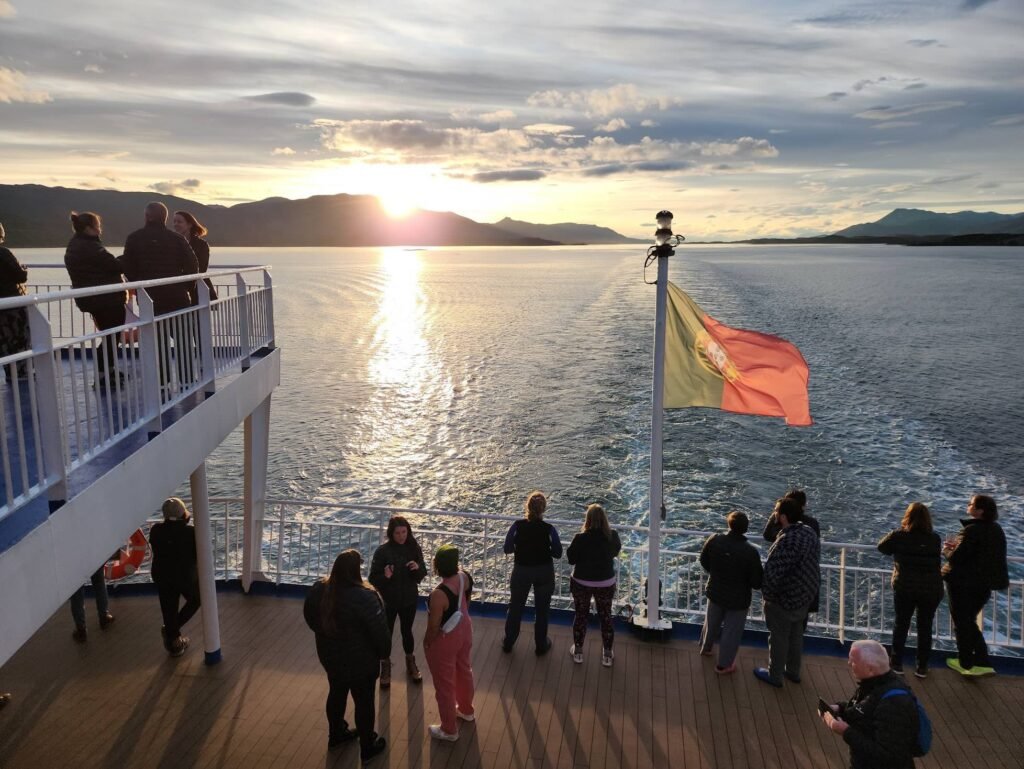
On the other side of that, I never felt like I had to be social. I’d often spend my mornings wandering the decks while everyone was still asleep, or journaling in the quieter lounges when I wanted to be alone. For me, that balance between meeting people and being able to disappear for a while ended up being one of the best parts of traveling to Antarctica solo.
Arriving Alone: My First Days on the Expedition
On the first night of the expedition, we had a meeting about what to expect over the next two weeks. There were nearly 200 of us in one room, followed by social time where everyone could grab a drink and get to know each other.
Just because I travel solo often doesn’t mean I don’t get intimidated. I’m an introvert and usually shy at first, so that first hour felt like the first day of school, trying to figure out where you fit in.
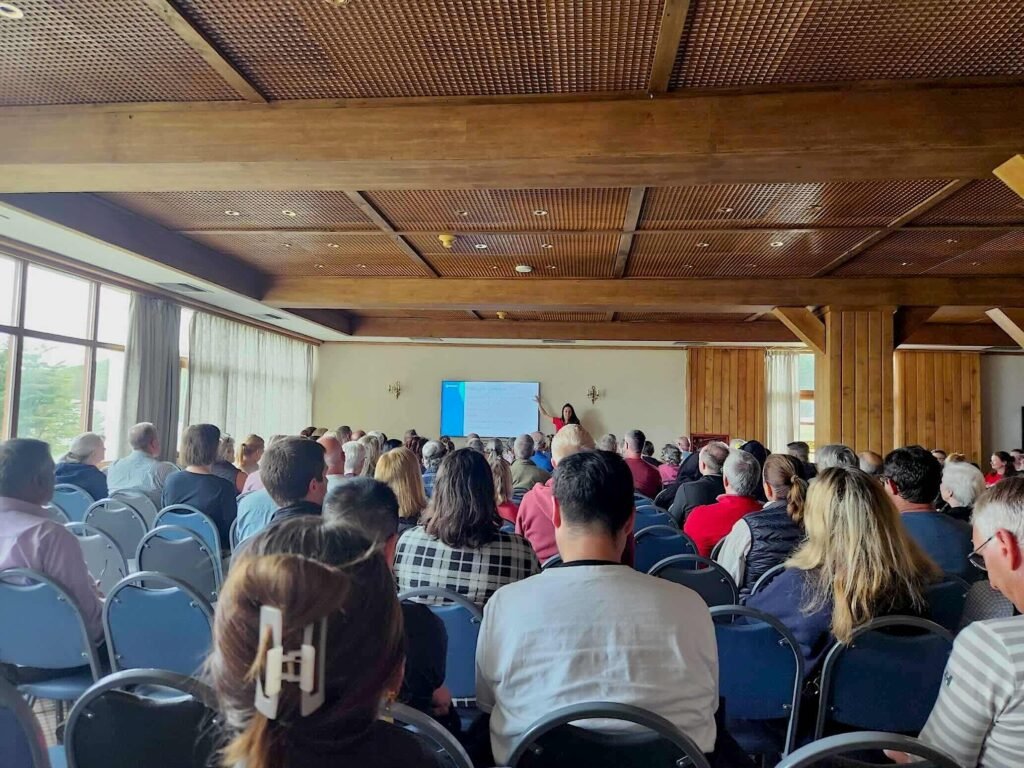
I immediately ran into exactly what I had been worried about. A mother traveling with her college-aged son, retired couples, and people who had already come with someone else. I figured there had to be people around my age that I could connect with… I just had to find them.
After a while, I heard bachata playing at the bar. I had been learning to dance in Buenos Aires, so when the bartender asked me to dance, I finally connected in a way that felt more natural to me: dance. After an hour of slightly awkward conversations, I found a flow that made me smile, even if it wasn’t with another passenger.
The funny part was what happened after. Other passengers started stopping me to chat. “Oh, I just saw you dancing!” “Hey, you’re that girl that was dancing yesterday!”
Suddenly I didn’t have to awkwardly approach anyone. The ice was already broken, and conversations started flowing. Anonymity disappears pretty quickly on a ship.
One person introduces you to another, you keep seeing familiar faces, and suddenly the room doesn’t feel like 200 strangers anymore.
You go from, “Can I sit with you?” to, “I saved you a seat.” And I think that’s lovely.
Making Friends on an Antarctica Cruise
Once I started recognizing people, making friends became surprisingly easy. For me, connection happened naturally in three main ways.
1. Your Expedition Group Gives You Familiar Faces
Everyone on my ship was placed into an expedition group, each with its own name. Mine was “Humpback Whales.” When your group was called over the speaker, you headed down to the mud room to layer up and get ready for the next excursion.
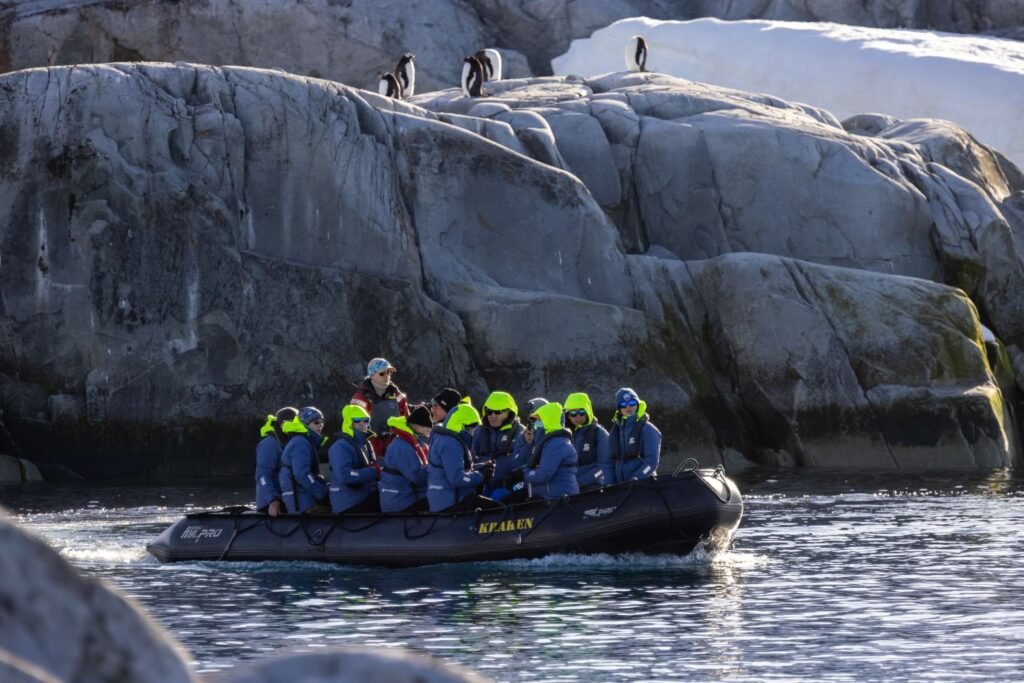
You end up seeing a lot of the same people this way. For me, it created a nice balance: enough familiarity that I started recognizing people, but enough variety that I continued meeting someone new on different expeditions.
And the whole ritual of it becomes a shared experience. You’re putting on layers together, climbing into Zodiac boats, searching for wildlife, and coming back excited about whatever you just saw.
It’s pretty easy to find something to talk about when you’ve just watched penguins porpoising through the water or spotted a seal sleeping on an iceberg together.
2. Downtime Is Where Acquaintances Become Friends
A lot of my friendships actually grew during the downtime between expeditions.
Sometimes we’d warm up after a Zodiac ride and compare what our groups had seen. One group might have spotted a whale while another found a leopard seal. Other times someone would notice whales outside and suddenly everyone was running to the deck with cameras.
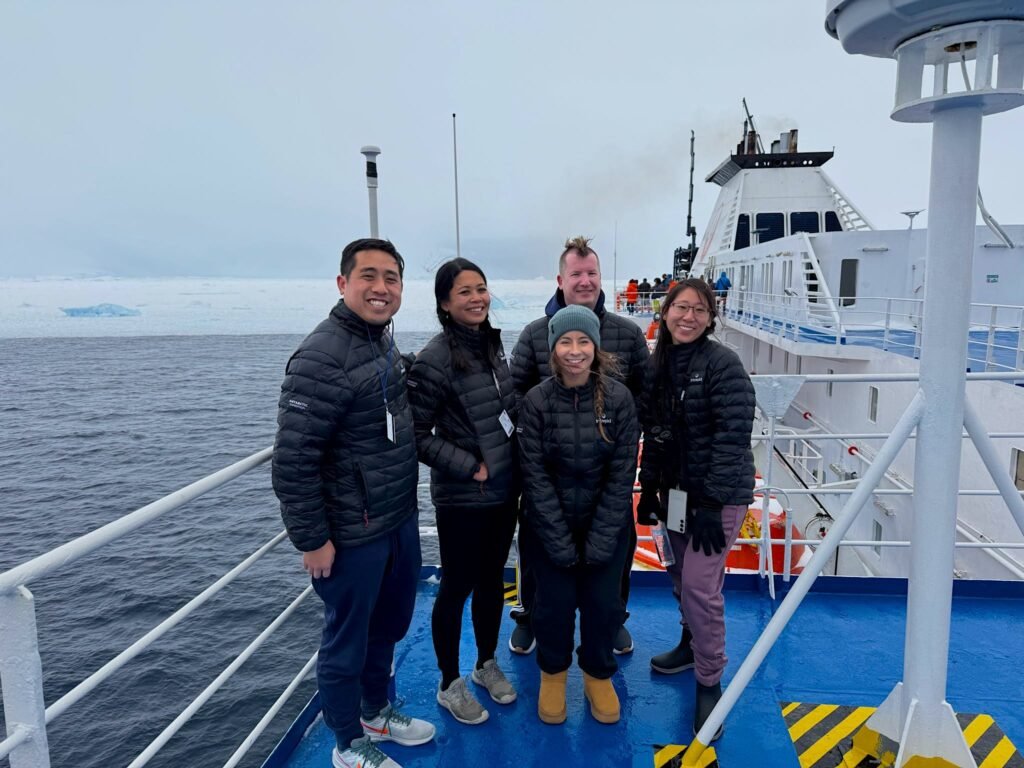
And then sometimes you’re just hanging around the ship with no set plans, so you improvise. At some point, a few of us started building card houses.
Building a card house is already unnecessarily difficult. Building one on a ship rocking through Antarctic waters became our weird little challenge. My first one made it four levels high. Later, with a friend’s help, we managed five… which lasted about a minute before waves knocked it over.
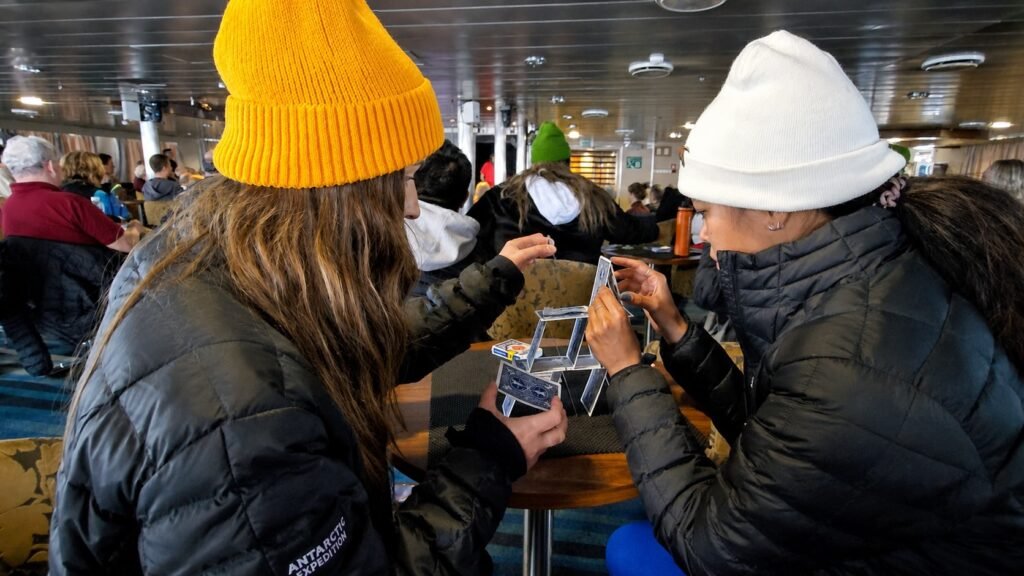
It was ridiculous, but those are the kinds of moments where people slowly stop feeling like other passengers and more like friends.
3. Big Experiences Bring People Together Quickly
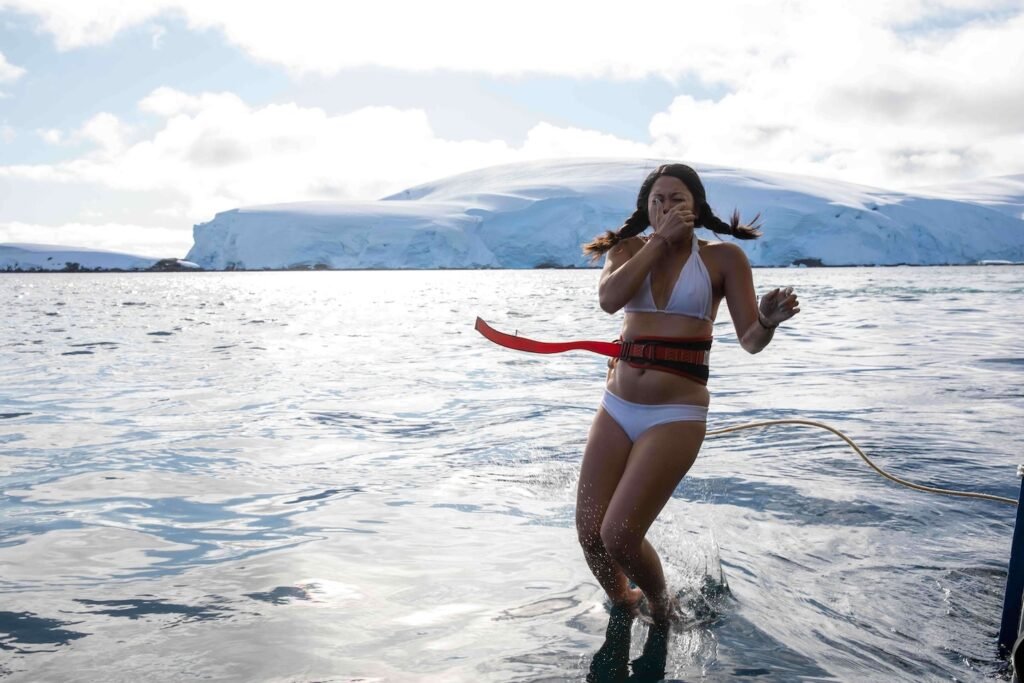
Then there are the moments that bring people close quickly. Things like crossing the Antarctic Circle, stepping onto continental Antarctica, or the polar plunge.
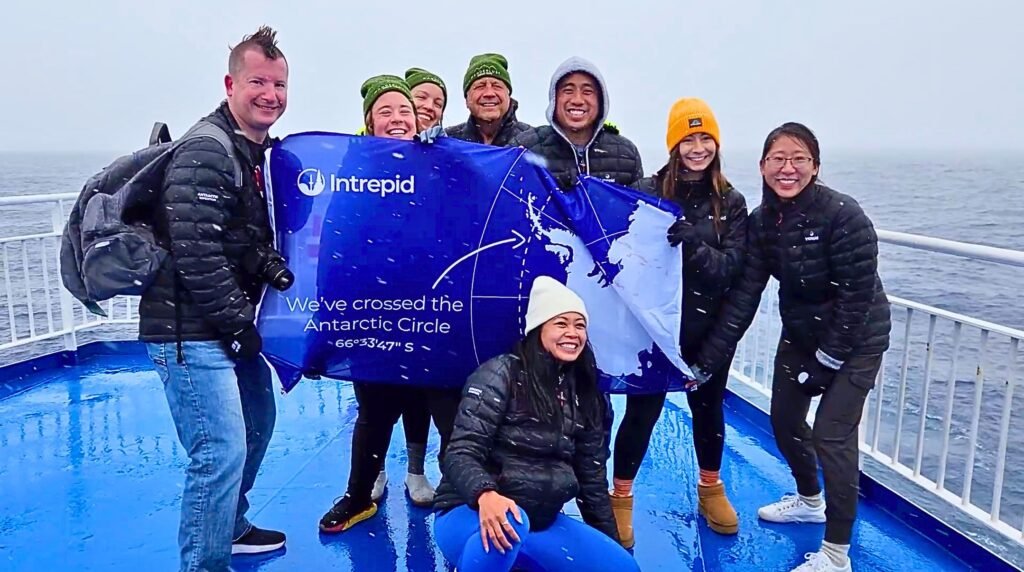
The polar plunge was probably the biggest example of that for my group.
The experience started in the cabin with my roommate and me mentally preparing in our white robes before meeting up with the new friends we’d made. A couple people from our group were missing, so naturally we hunted them down and tried to convince them not to back out.
Then came the waiting. Standing around in robes, watching other passengers jump into the Antarctic water, hearing everyone scream when they hit it… the nerves built the longer we stood there. But we were all hyping each other up and laughing about how ridiculous the whole thing was.
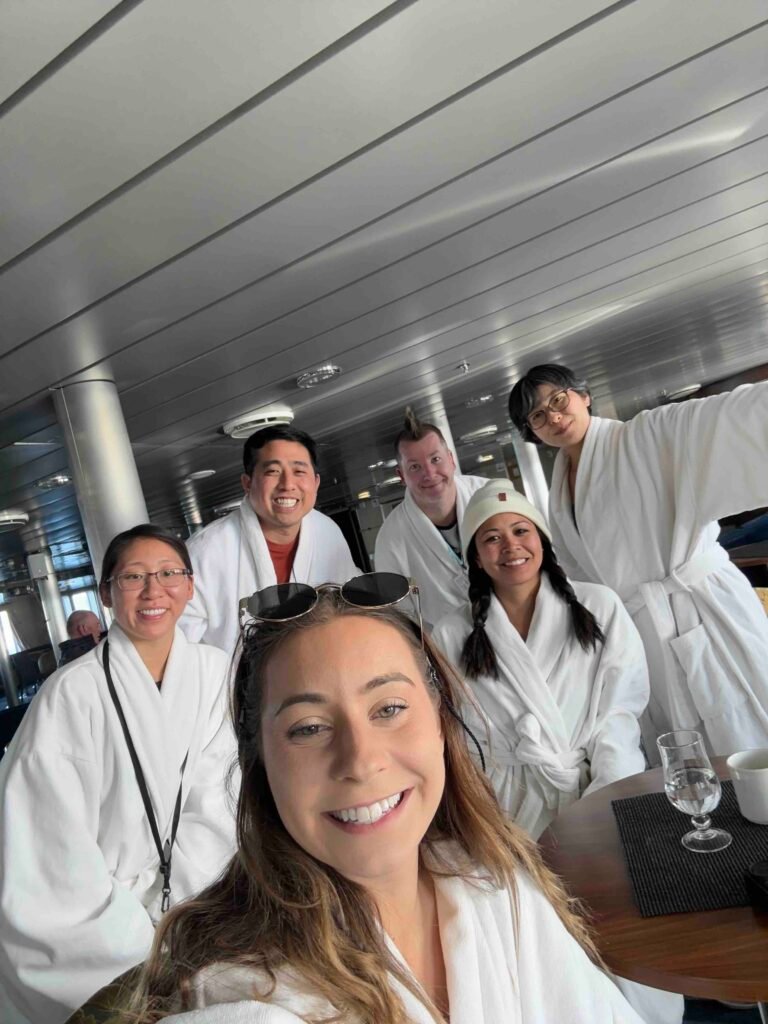
By that point, these weren’t just random people I’d met on the ship anymore. We were voluntarily jumping into freezing water together, then running upstairs afterward to warm up in the sauna and hot tub.
For me, that was the point where solo travel stopped feeling like “traveling alone” and started feeling like a shared experience with people I had only just met.
Sharing a Cabin With a Stranger
One of the biggest decisions I made as a solo traveler was being willing to share a cabin with a stranger. Antarctica is expensive, and sharing a room was one of the ways I kept the cost down.
My roommate was Narumi, a Japanese woman around the same age as me. There was sometimes a language barrier, but honestly it was never really a problem. She was pleasant, respectful, and I swear she had the aura of an anime character brought to life. Her facial expressions and reactions to things were so expressive that even ordinary moments became entertaining.
Even though our cabin was small, I never felt like I was lacking privacy or space. I stored my larger bag under the bed, and we split the lockable drawers between us for smaller items.
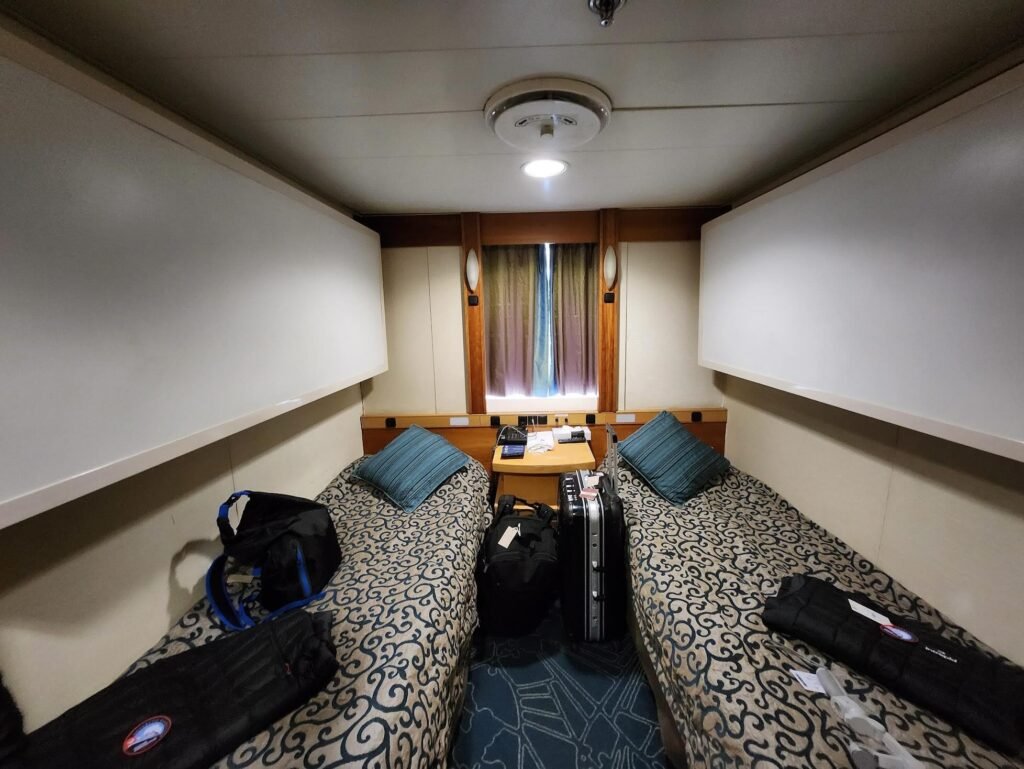
We also just weren’t in the room together that much outside of sleeping. I usually woke up much earlier than Narumi, so I’d get ready quietly and head out to wander the ship while she slept.
For me, sharing a cabin worked really well and the savings were absolutely worth it.
Do Solo Travelers Pay More for Antarctica?
Sometimes, yes. If you want a private cabin, traveling solo can cost more because you may have to cover the price that would normally be split between two people. One way to reduce that cost is to book a shared cabin and be matched with another solo traveler.
That’s what I tried to do. I booked a shared cabin online, but afterward learned the only rooms left had double beds, so the company couldn’t match me with another traveler. To keep that cabin, I would have needed to pay an additional $8,600, essentially the cost of another passenger… Which wasn’t going to work for me.
I ultimately chose a different expedition where I could share a cabin, saving me thousands. If you’re traveling solo, make sure to ask this before booking:
“If you can’t match me with a roommate, what happens to my price?”
How to Choose the Best Antarctica Cruise for a Solo Traveler
The best Antarctica cruise for a solo traveler isn’t necessarily the cheapest one. I’d pay attention to how the company handles roommate matching and whether the expedition makes it easy to meet people. I’d also look for an operator that follows Antarctic tourism standards, to ensure you’re visiting safely and responsibly. You can check IAATO’s visitor guide for more information.
I traveled with Intrepid and thought their expedition was structured quite well for this. Something to note is that overall, their guests skewed a bit older (for reference, I’m in my 30’s), though a trip this expensive is bound to attract an older crowd.
This wasn’t a problem for me as I found a small group of people close to my age, so I’d still recommend them as an Antarctica operator to check out.
🚢 Check out Intrepid Cruises→
Another Solo-Friendly Option: G Adventures
I didn’t travel to Antarctica with G Adventures, so I can’t compare their expedition directly. That said, I’ve used them for other group trips in South America and found them great, specifically for meeting other solo travelers.
In comparison to Intrepid, the G Adventures group tour demographic tends to skew younger so may appeal to those looking for a more energetic crowd.
🚢 Check out G Adventure Cruises→
Solo Female Travel in Antarctica: Did I Feel Safe?
A big question for women traveling alone is safety. I personally felt extremely safe on my Antarctica cruise, and a lot of that came down to the environment onboard and how seriously the crew handled safety.
I never felt nervous walking around the ship alone, even early in the morning or later at night. My ship skewed older, there wasn’t a big drinking culture, and the staff was always around, friendly, and helpful.
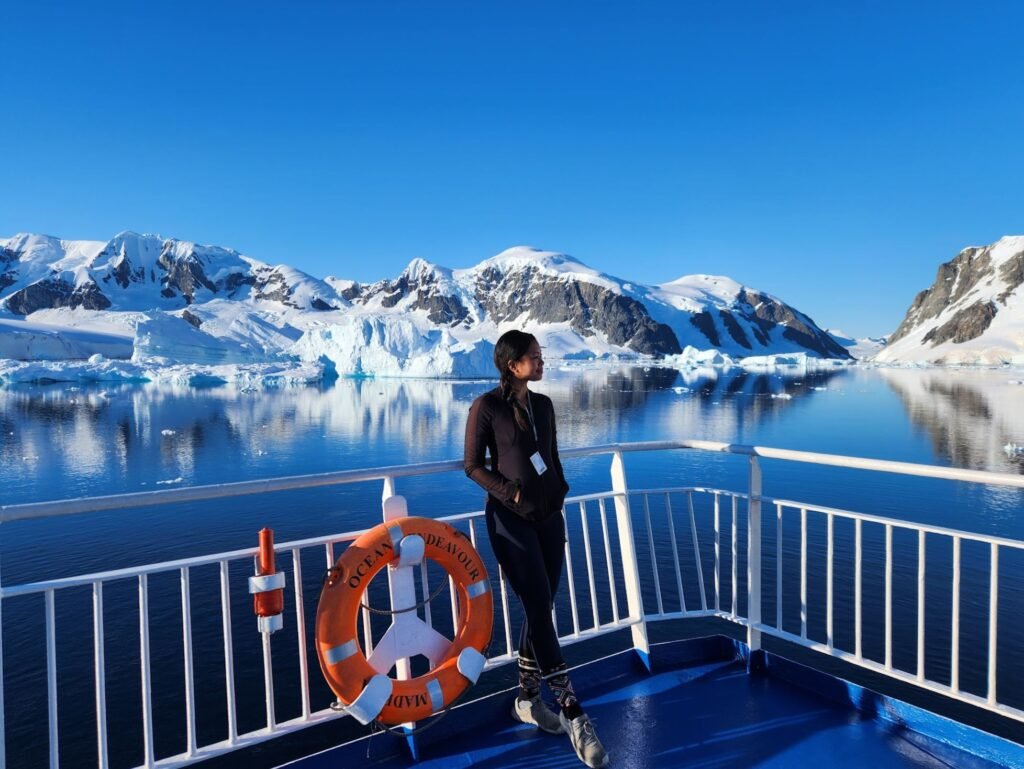
They were always attentive to small things to make everyone comfortable, from marking wet decks to keeping common spaces clean.
Medical support was also available onboard. When another passenger had a serious medical emergency, the crew changed the ship’s route so we would stay within reach of a possible evacuation. Antarctica has extremely limited emergency and medical services, which is why the U.S. State Department recommends getting travel insurance with evacuation assistance.
Antarctica is remote, so there’s always some level of risk, but I never felt like the crew treated safety casually. Overall, for me, solo female travel in Antarctica felt very safe.
🏥 Travel insurance for Antarctica
One thing I didn’t realize at first is that not every travel insurance policy covers Antarctica. Because this was such an expensive trip, I wanted to make sure my policy specifically included the destination, not just general international travel.
After comparing options, I chose IMG for my expedition, focusing on medical care and evacuation, trip cancellation, and Antarctica coverage.
Would I go to Antarctica Alone Again?
If I had never been to Antarctica before, I would absolutely go alone again. I wouldn’t wait for someone else to have the time, money, or desire to come with me.
Would I book another Antarctica cruise tomorrow? Probably not.
Antarctica is an unreal experience, and I would love to experience it again someday. That said, it’s expensive, remote, and takes a decent amount time to do. After experiencing it once, I’d personally want some space before making that kind of trip again.
I also think timing matters. Personally, I probably wouldn’t have done this trip in my early-mid 20s. At that age, I would have rather spent the same money on several cheaper trips and adventures. I’m glad I waited until I was at a point where spending that much on one extraordinary experience felt worth it.
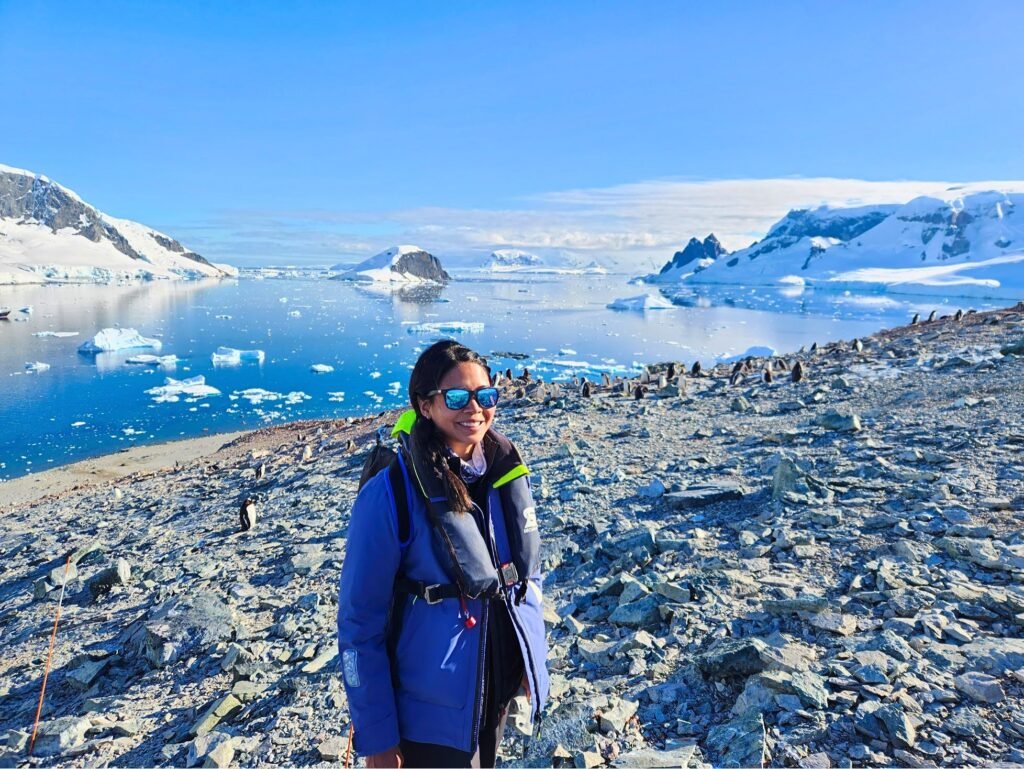
If Antarctica is somewhere you genuinely want to see and the only thing holding you back is not having someone to go with, I wouldn’t let that stop you. You may arrive alone, but there’s a very good chance you won’t experience Antarctica that way.
Planning a trip to Antarctica?
🚢 Book your expedition cruise: G Adventures
🏥 Antarctica Travel insurance: IMG travel insurance
🛌 Book your pre-cruise hotel: Booking.com
🚣🏻♀️ Book pre-cruise Ushuaia tours: Viator
🚘 Rent a car in Ushuaia: Discover Cars
FAQ-s About City
READ MORE ABOUT USHUAIA & ANTARCTICA
Looking for more information about traveling to Antarctica? Here’s some further reading that may be helpful for your trip:
🏨 Looking for a place to stay in Ushuaia before Antarctica? Where to stay in Ushuaia Argentina: My Top Areas & Hotels
⛴️ Want to know what to expect when traveling to Antarctica? Read my guide How to Travel to Antarctica: What I Wish I Knew Before Booking.
⛰️ Want information on what to expect in Ushuaia before your expedition? Read Ushuaia to Antarctica: What I Wish I Knew Before Boarding My Expedition Cruise.
💰 Curious about what to expect in terms of cost for an Antarctica trip? Check out my budget breakdown: How Much Does a Trip to Antarctica Cost?
🧳 Don’t know what you need for Antarctica? Check out my Antarctica Cruise Packing List.
🚣🏻 Want to know how you’ll spend your time in Antarctica? Read Things to Do in Antarctica: What You Actually Do on an Expedition Cruise.
💁🏻♀️ Curious about traveling to Antarctica solo? Read Solo Travel to Antarctica: What it’s Really Like Going Alone

I’m Marie, a slowmad and adventurer who left settled life in the U.S. to live abroad and explore the world.
I live in countries for months at a time to understand new cultures and explore deeply, sharing my insights on what it’s like to live abroad and the travel adventures along the way.
MORE [CITY]
-

Where to Dance Bachata in Medellín: My Favorite Socials & Dance Nights
A lived-in guide to where to dance bachata in Medellín, including my favorite socials, weekly dance nights, beginner-friendly spots, and tips for joining the scene solo.
-

Where to Stay in Medellín, Colombia: Best Areas & Hotels for Every Budget
A neighborhood-first guide to where to stay in Medellín Colombia including hotels, hostels, and apartment-style stay recommendations.
-
Getting Around Medellín: Uber, Metro & What Actually Works
Medellín’s transportation system is more nuanced than it first appears. After living in the city, I found myself using a mix of Uber, Metro, buses, moto, and walking depending on…
-
Medellín: Things to Do Beyond The Tourist Trail
Staying longer in Medellín? These are the non-touristy things I’d recommend — from menú del día spots and Comuna 4 to Bachata al Parque and slower versions of popular experiences.