COLOMBIA
Living in Medellín as a Digital Nomad: What It’s Actually Like
•
SHARE:
This post contains affiliate links. If you book through them, I earn a commission at no cost to you. Learn more
I’ve lived in Medellín Colombia twice — once solo, and once with a partner. The first time, I loved it enough to come back.
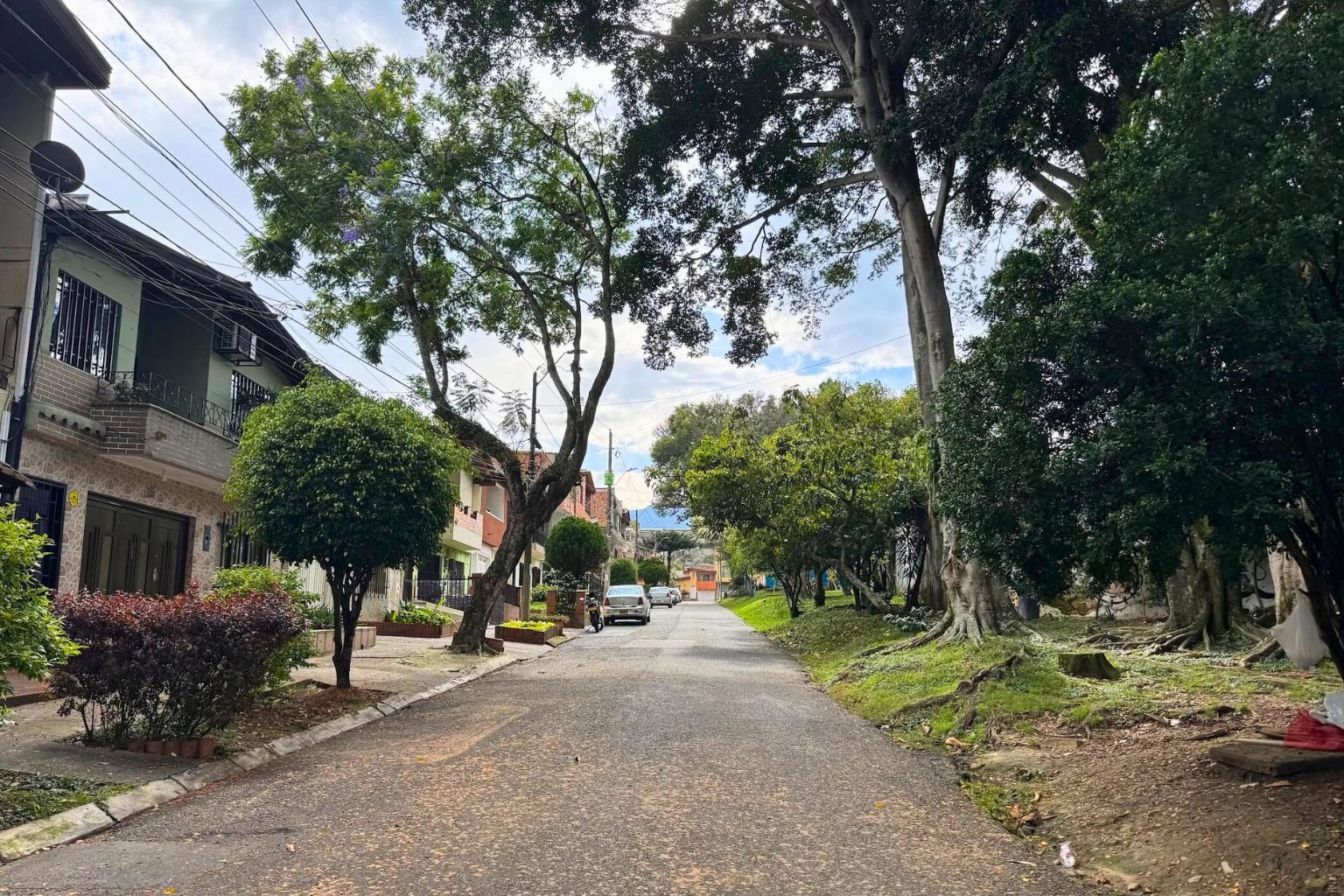
What struck me most about Medellín wasn’t just that it was beautiful. It was that it felt surprisingly livable. The city is green, social, and full of everyday life. But it’s also not a place you move through mindlessly. Where you stay and the habits you build matter. And that mix is exactly what makes Medellín both appealing and complicated.
This digital nomad Medellín guide is for people thinking about basing themselves in the city for a few weeks to a few months. I’ll cover what daily life feels like, which neighborhoods to stay in, how remote work functions here, what to know about safety, and whether Medellín is actually a good fit for your style of digital nomad life.
Medellín at a Glance for Digital Nomads
📍 Best neighborhood for most nomads: Laureles
🚗 Getting around: Uber, Public transportation
💻 Good for: remote work, social life, dance, and building routine
Worth sorting before arrival:
🏨 Accommodation: Booking.com, Airbnb or CompartoApto
🩺 Digital nomad Insurance: SafetyWing Nomad Insurance
📶 Internet and data: Airalo
Is Medellín Good for Digital Nomads?
In short: yes — for the right person.
Medellín works especially well for digital nomads who want a city with culture, greenery, strong social infrastructure, and a lower cost of living than many U.S. or Western European cities. It’s easy to build a routine here. Between cafés, malls, gyms, dance schools, parks, and transportation, Medellín can be a very comfortable base.
It tends to be a great fit for:
- people who like city energy but still want greenery and outdoor access
- nomads who enjoy having community nearby
- travelers who want a social city without paying major-city prices
- people who are comfortable with a little friction and some street awareness
Less ideal for:
- people who want zero safety mental load
- anyone who needs everything to work in English
- travelers who dislike rain or unpredictability
- people who prefer smaller, quieter, or more polished places
Medellín has grit, but that’s part of the charm too.
What Daily Life in Medellín Feels Like
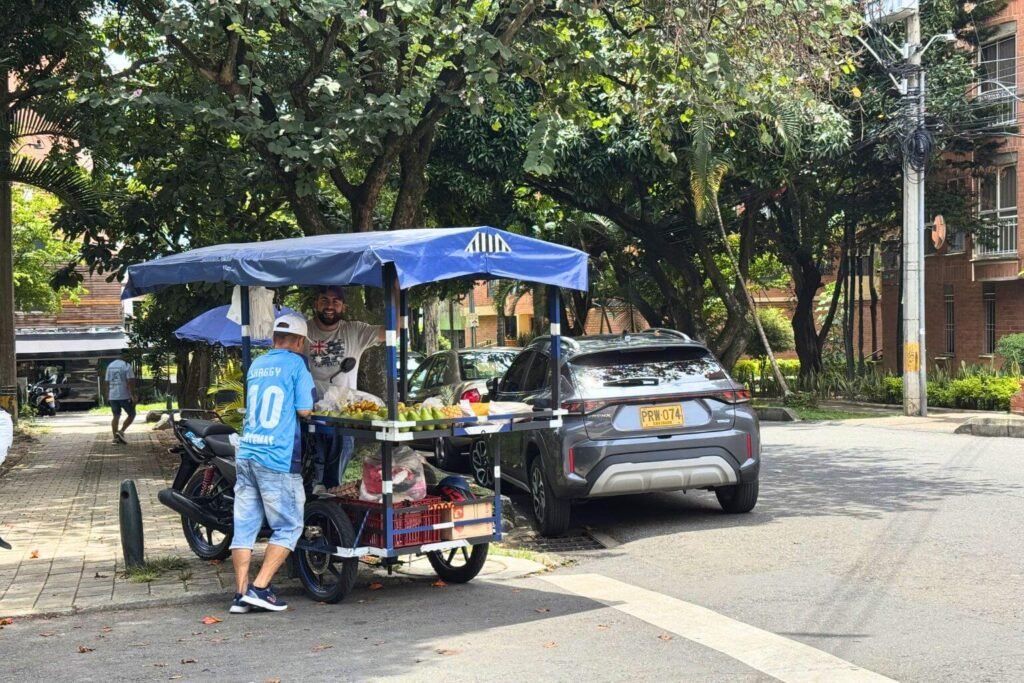
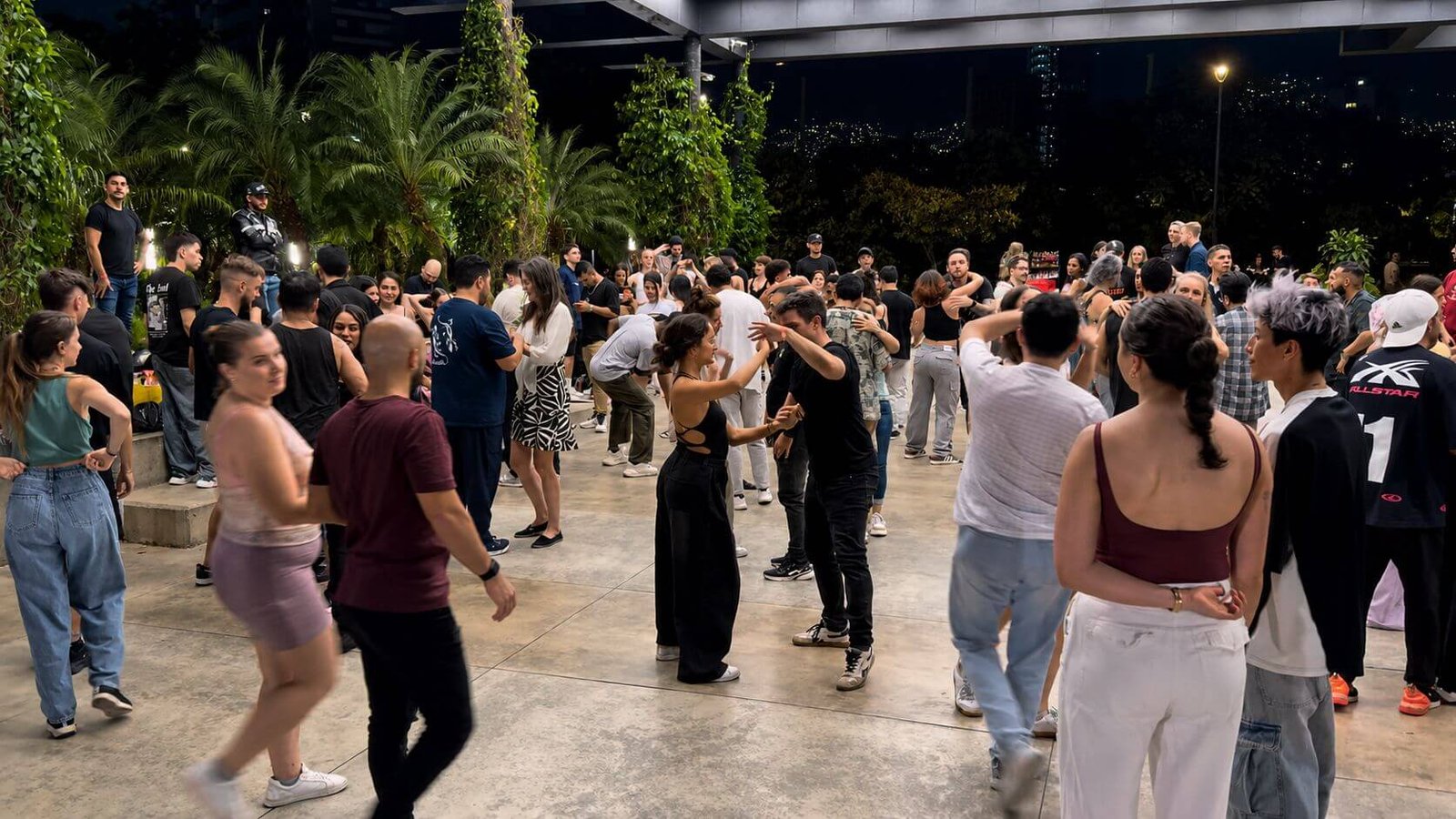
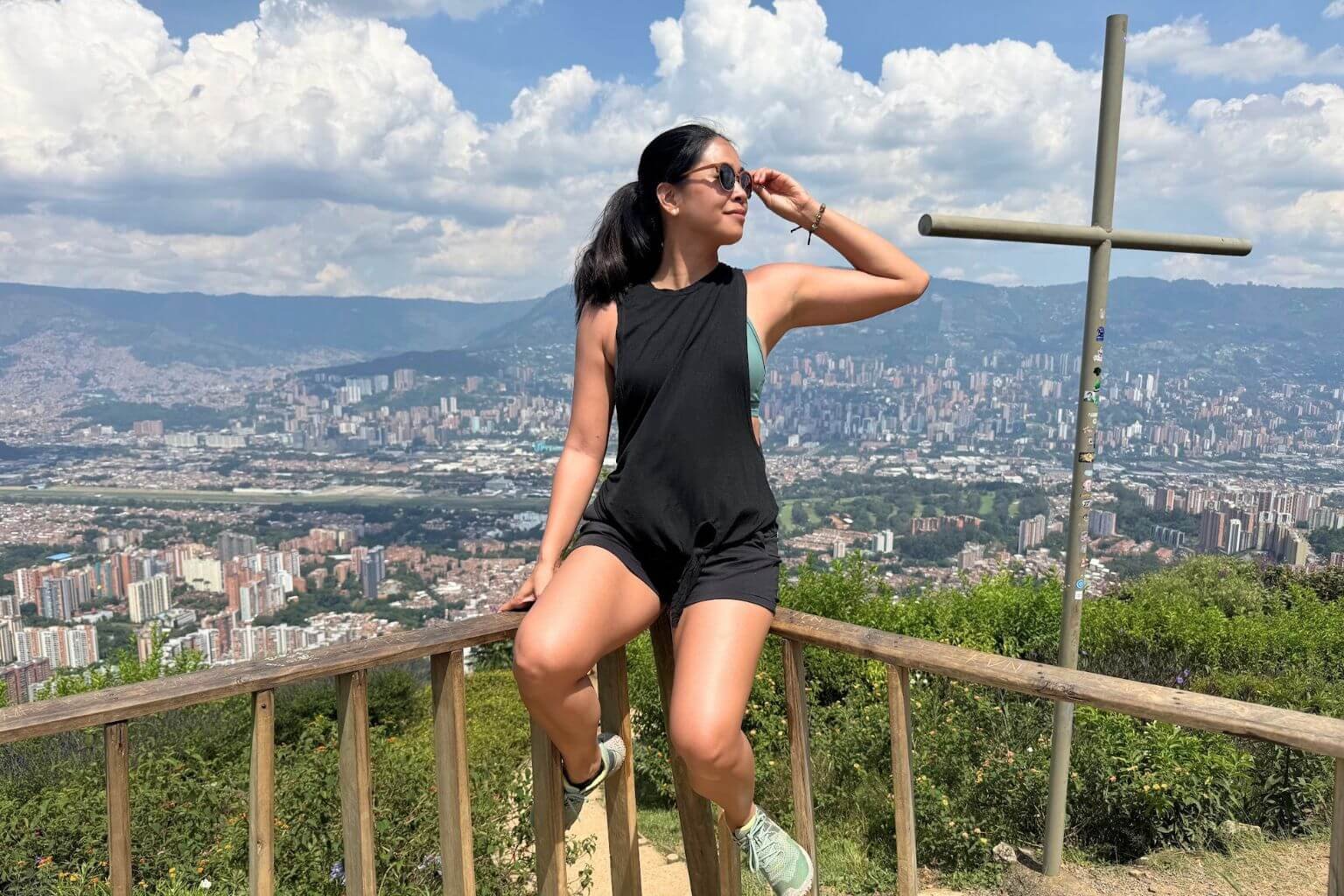
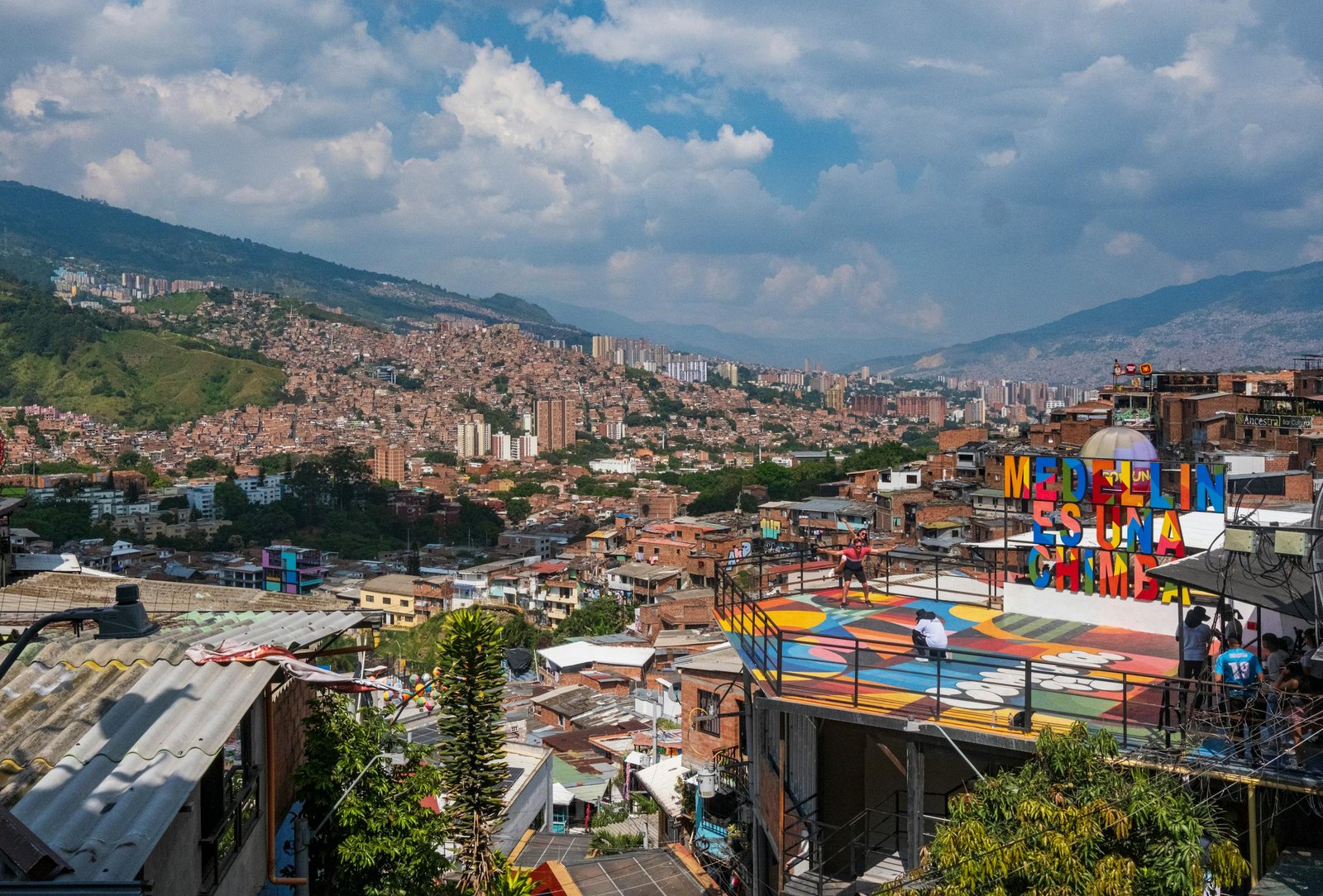
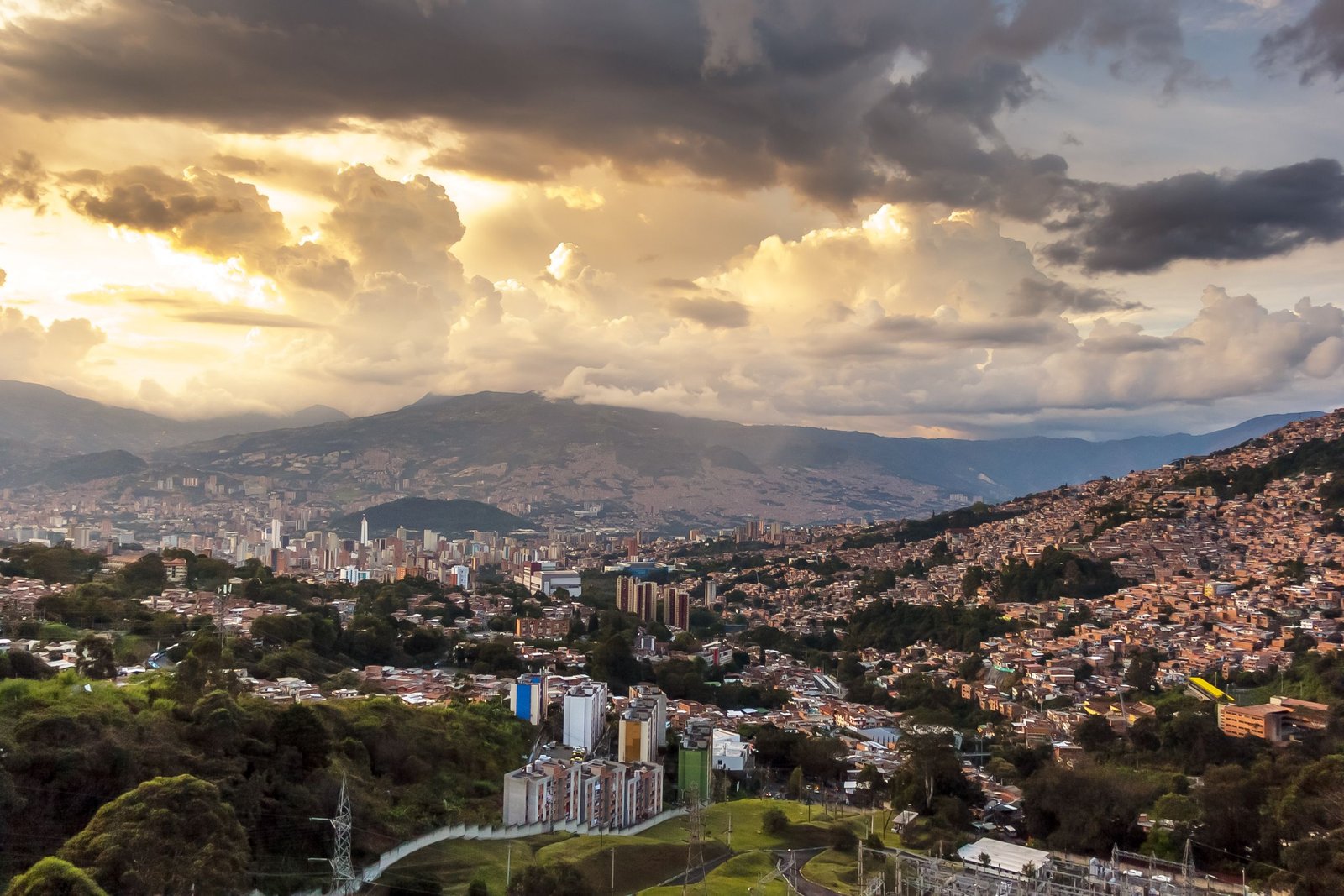
Medellín feels like jungle meets city. It’s green in a way that softens the urban sprawl, and in many neighborhoods you’re constantly seeing trees, rivers, and mountain views around you. One of my favorite things about living here was how much life happens outside: families in the parks, dance groups rehearsing in public spaces, people working out, chatting, walking dogs, or just hanging out.
The mornings have their own rhythm too. In my neighborhood, you hear fruit vendors passing through residential streets calling out what they’re selling over speakers, and after a while that becomes one of those sounds that defines the city. Sundays feel especially calm. Traffic eases up, mornings start slower, and the city has a quieter, more restful feel.
The main weather wildcard is rain. Medellín is spring-like year-round, but sudden downpours are common enough that I’d always carry a compact umbrella or light rain jacket.
Best Neighborhoods in Medellín for Digital Nomads
Neighborhood choice matters a lot in Medellín. Different areas feel vastly different, and where you stay will shape your experience more than people realize.
Laureles
Laureles is the easiest all-around recommendation for most digital nomads. It’s walkable, relatively flat, and has a good mix of cafés, restaurants, bars, and coworking options. It feels more local than Poblado while still being very easy for digital nomads to settle into.
Belén
Belén is better for a quieter, more local everyday life. It’s more residential, more affordable, and less expat-heavy. It’s usually a better fit for people who want everyday life, lower prices, and less of a bubble.
Poblado
Poblado is the easiest landing zone for foreigners and first-timers. It has the most cafés, restaurants, nightlife, and English speakers, but it also tends to be pricier, busier, and more touristy. It makes sense for convenience, though it wasn’t my favorite for a longer stay.
Envigado
Envigado is a calmer residential base with a more local feel. It’s quieter and more residential, but still convenient if you want access to Poblado without living in the middle of it.
My quick take:
- first time in Medellín: Poblado or Laureles
- best overall balance: Laureles
- more local and lower-key: Belén or Envigado
- easiest for foreigners: Poblado
If you’re choosing between Laureles, Poblado, Belén, and Envigado, I’d read my guide on the Best Neighborhoods in Medellín next.
How to Find an Apartment in Medellín
Once you know which neighborhood fits your style, apartment hunting gets much easier.
For the easiest option, I’d start with Booking.com or Airbnb so you can compare furnished apartments, aparthotels, and flexible stays in the area you want. If you’re staying longer and want to explore more local options too, sites like CompartoApto are also used in Medellín. It just has a little bit more friction and less familiarity than the bigger platforms.
Working Remotely from Medellín
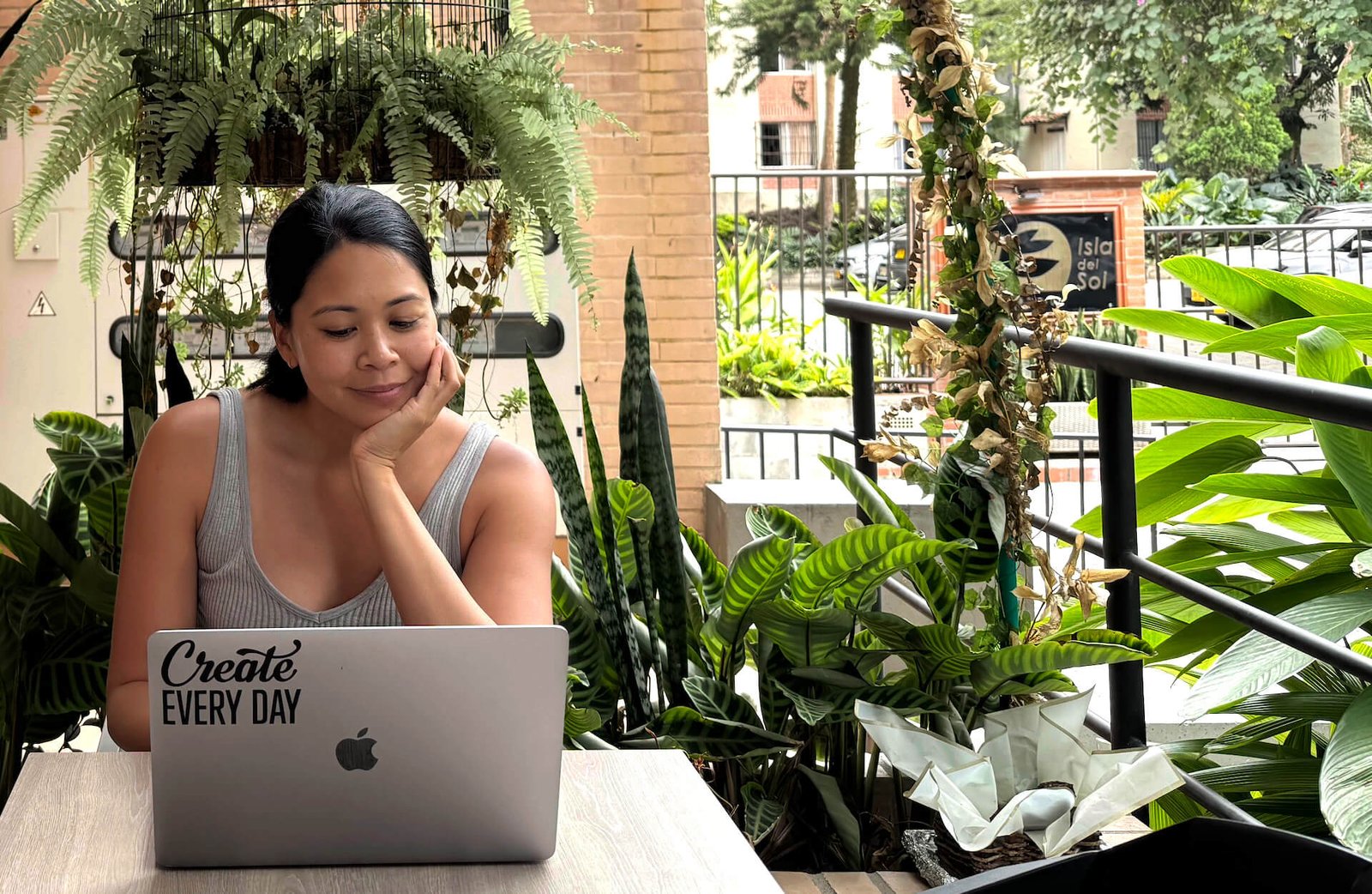
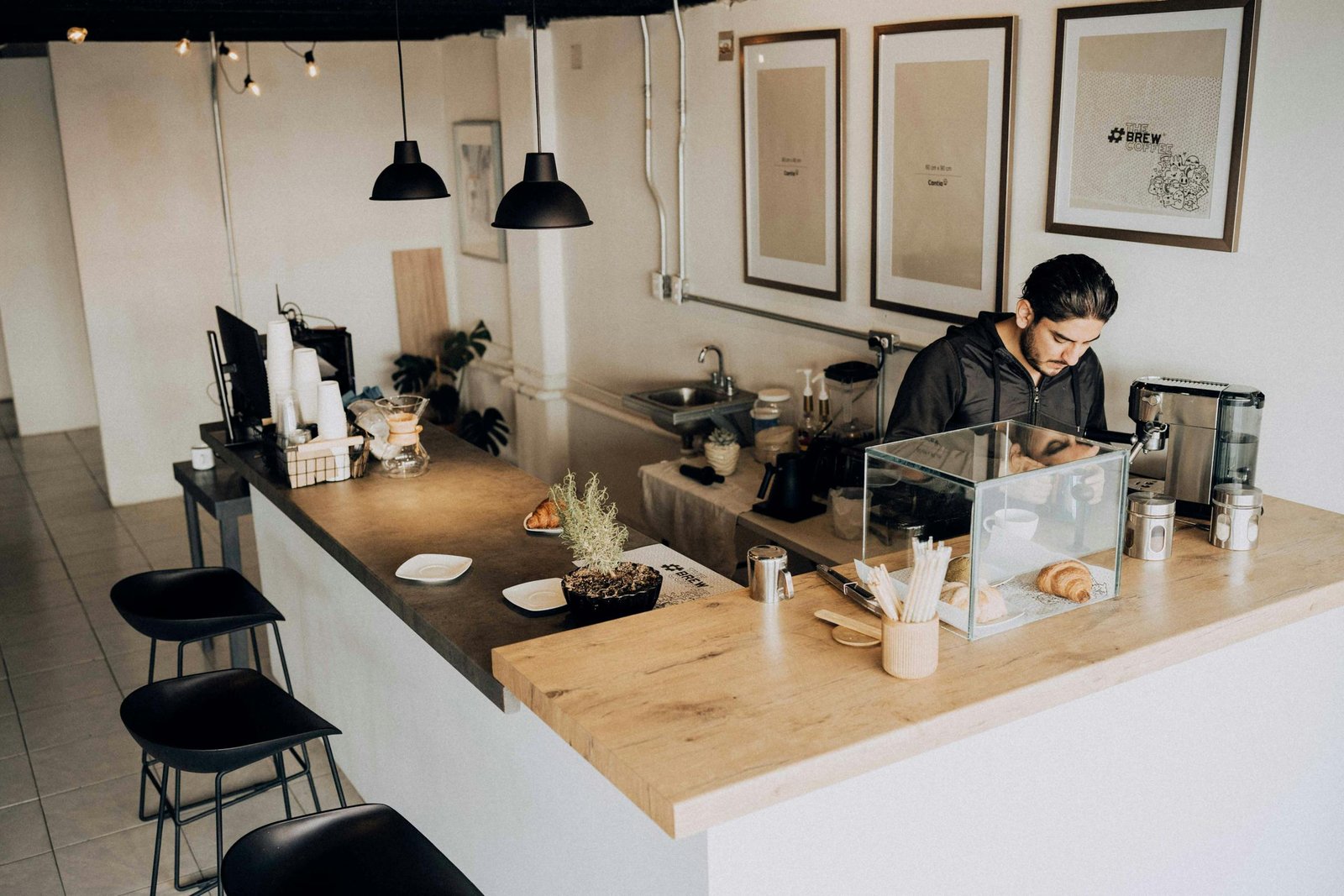
Medellín is easy to work from. Wi-Fi is generally reliable, eSIMs work well, and most cafés and coworking spaces have the basics you need for a normal remote workday. You’ll find more coworking and laptop-friendly infrastructure in Laureles and Poblado, though you can absolutely build a routine outside those neighborhoods too. If you want specifics, I put together a guide to the best cafés to work from in Medellín.
One of Medellín’s biggest strengths is that it makes routine easy. I found a gym, dance classes, café spots, and a daily rhythm pretty quickly, and that matters more than having a long list of trendy remote-work spots. If you’re someone who likes structure, Medellín supports that well.
📶 Stay connected in Medellín
I used Airalo for data in Medellín and found it easy to stay connected while working remotely.
Check Airalo eSIMs for Colombia
Language, Community, and Making Friends
Basic Spanish helps a lot here. You don’t need to be fluent, but your life will be easier and more interesting if you can handle everyday interactions. I also personally found Colombian Spanish easier to understand than in some other Latin American countries, though local slang still takes time.
English is more common in Poblado and parts of central Laureles. Outside those areas, you’ll rely more on Spanish.
In terms of community, Medellín is one of the easier cities to plug into. There are Facebook groups, WhatsApp groups, hikes, dance classes, and plenty of ways to meet other internationals. Making local friends usually takes more time, but I found that routine helped most — the more regularly you show up somewhere, the more natural those connections become.
Getting Around Medellín
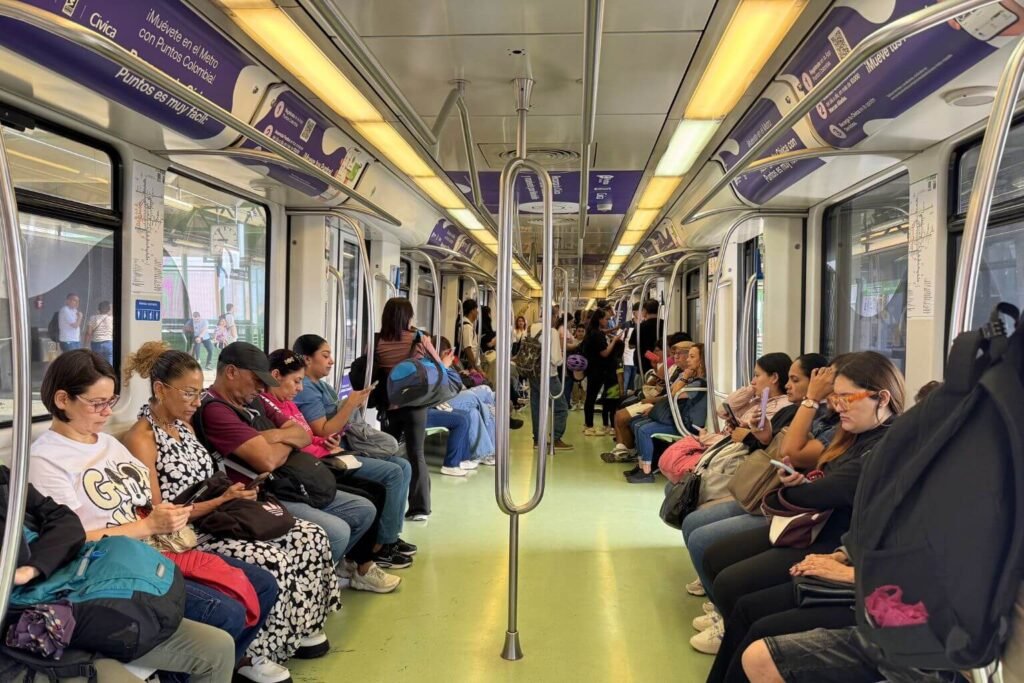
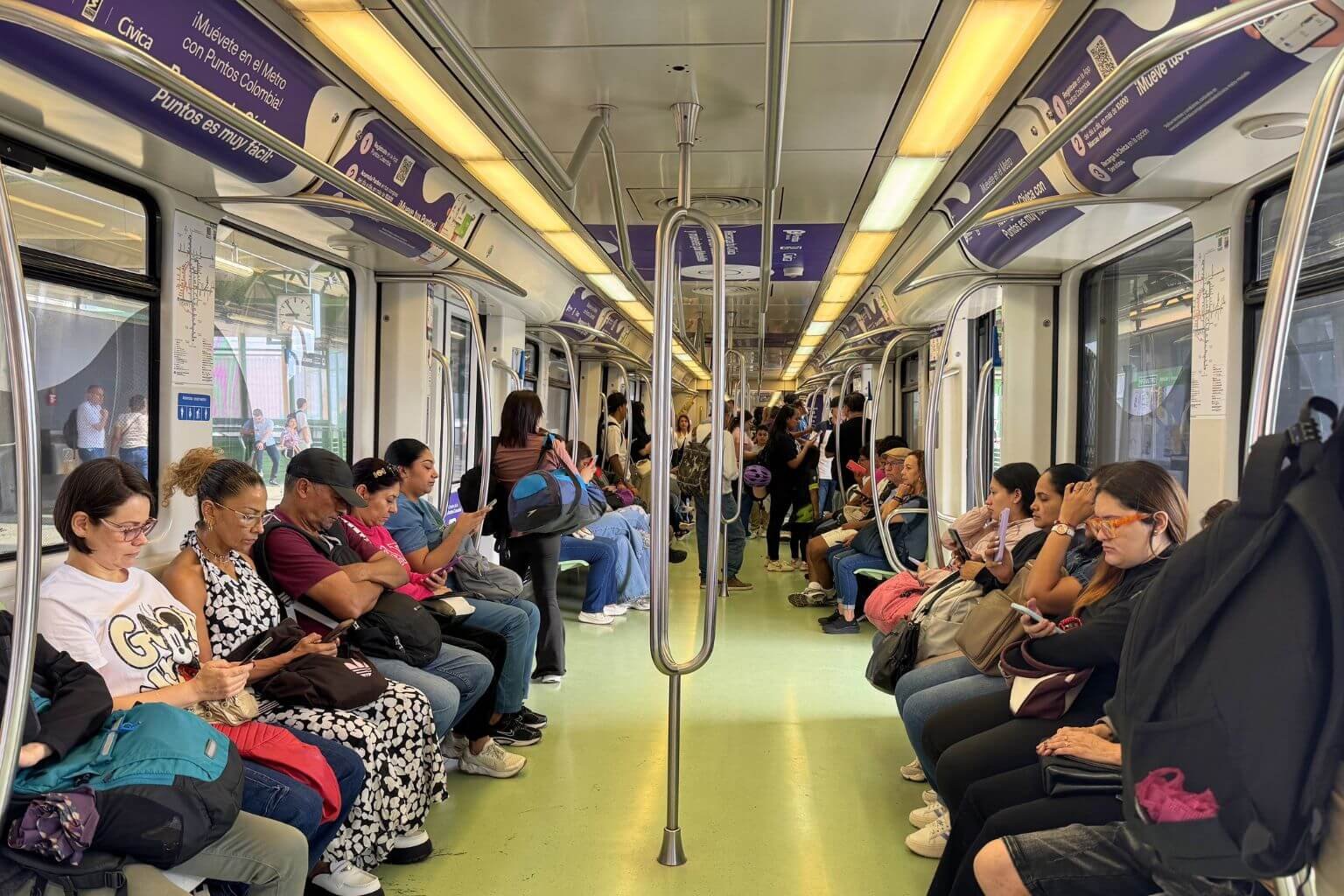
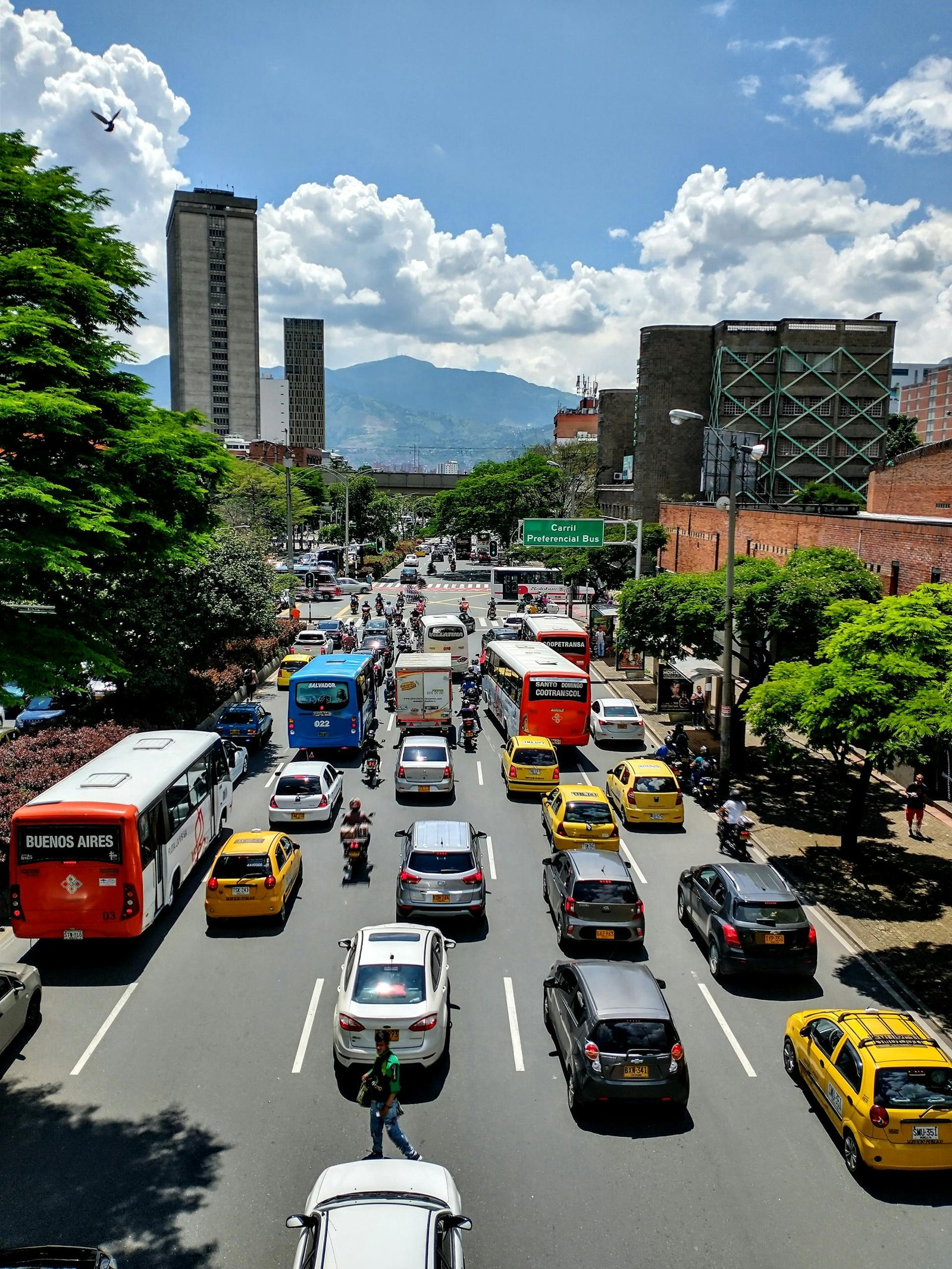
Getting around Medellín is fairly easy once you understand the basics. For most day-to-day movement, I found Uber and DiDi to be the easiest options, especially at night. The metro is also useful and straightforward, while buses are more local and less intuitive at first. Walkability depends a lot on the neighborhood — Laureles and parts of Belén are easier on foot, while Poblado is hillier.
If you want the full breakdown (including Uber Moto, buses, metro, and what I’d actually be careful about), I’ll link my Medellín transportation guide here.
Safety in Medellín: What I’d Actually Tell a Friend
Medellín is not a city I’d tell someone to avoid, but it is a city where caution matters.
The local phrase no dar papaya basically means: don’t make yourself an easy target. In practice, that means not walking around distracted with your phone out, not wandering unfamiliar areas at night, and not assuming every bar or neighborhood is equally fine just because it showed up on a map.
I learned that quickly after a friend and I went to a random bar we found online before dinner. The moment we got dropped off, the vibe felt off, so we left almost immediately. Later our Uber driver told us it was not an area foreigners should casually be in. We were fine, but it reinforced something important: in Medellín, it pays to know where you’re going before you go.
I’d also be especially cautious with dating apps, nightlife, and strangers offering drinks. Medellín has had real issues with robberies involving scopolamine and setups targeting foreigners. That’s not meant to be dramatic — just to say that basic situational awareness goes a long way here. Once I understood that, day-to-day life felt manageable, not fearful.
If you’re thinking about moving here, make sure you understand how safety actually works day-to-day. I write more deeply about this in my Is Medellín Safe? guide.
Practical Things to Know Before Your Stay
Currency and payments
Expect a mix of cash and card. In more touristy areas, card and Apple Pay are common, but smaller restaurants, local shops, and some bars may prefer cash or bank transfer. I’d keep some cash on you, but not a huge amount.
Weather
Warm year-round, but rain is part of life here. Medellin is known as the city of eternal spring for a reason. A compact umbrella or light rain jacket is worth carrying, and sunscreen matters more than you’d think because of the elevation.
Healthcare
Healthcare was much more affordable than in the U.S., in my experience. I paid around 200,000 COP for an ER visit, about 100,000 COP for a dental cleaning, and around 60,000 COP for antibiotics from a pharmacy. That doesn’t replace travel insurance, but it did make everyday healthcare feel more accessible.
⛨ A note on travel insurance
Routine healthcare felt accessible here, but that’s not the same as being covered if something bigger happens.
Restaurants and eating out
Eating well in Medellín doesn’t have to be expensive. Menú del día is one of the best-value ways to eat locally, and fresh juices are everywhere. It’s an easy city to eat well without spending much.
Grocery shopping
Grocery shopping in Medellín is pretty manageable for everyday life. Éxito is the big all-purpose chain — kind of like a Target — while Carulla feels closer to a Whole Foods. I went to Supermú a lot for produce, and I also found that the verdulerías (fruit shops) were often better for fresh produce. If you’re staying more than a week or two and like cooking at home sometimes, it’s an easy city to settle into.
Tourist stay
Medellín can work well for longer stays, but always verify the rules yourself. Many travelers can initially stay up to 90 days, with extensions to 180 days possible depending on nationality and current requirements.
Who I’d Recommend Medellín To
Medellín is a strong fit for people who want a real city, not just a nomad bubble. It works well if you like having social options, want to build a routine, and are comfortable being a little alert rather than completely carefree.
It’s probably not the best fit if you want everything to feel frictionless, ultra-safe, or English-first, or if you prefer smaller, quieter places over urban energy.
Final Verdict: Would I Live in Medellín Again?
I already did, and that says a lot.
Medellín gave me one of the best daily rhythms I’ve found anywhere I’ve lived: a neighborhood I liked, a gym, a dance scene, café routines, and a city that felt alive without always feeling overwhelming. It isn’t frictionless, and it won’t be for everyone. But if you want a place with texture, beauty, community, and enough infrastructure to build a life for a while, Medellín is a compelling base.
More Places to Explore from Medellín
If you’re using Medellín Colombia as a base, it’s also easy to pair city life with other trips around Colombia. A few places I’d consider adding to your list:
The Lost City (Ciudad Perdida) if you want one of Colombia’s biggest adventure experiences
Guatapé for an easy colorful escape from the city
Jardín for a quieter, more traditional town feel
Cartagena for a very different coastal city experience
Santa Marta and Tayrona for beach and nature

I’m Marie, a slowmad and adventurer who left settled life in the U.S. to explore the world more deeply.
I’ve spent about four and a half months in Colombia across two extended stays, mostly based in Medellín while exploring more of the country. I share the experiences that stood out, the adventures worth making time for, and the practical and cultural insights I picked up along the way.
MORE MEDELLÍN
-

Where to Dance Bachata in Medellín: My Favorite Socials & Dance Nights
A lived-in guide to where to dance bachata in Medellín, including my favorite socials, weekly dance nights, beginner-friendly spots, and tips for joining the scene solo.
-

Where to Stay in Medellín, Colombia: Best Areas & Hotels for Every Budget
A neighborhood-first guide to where to stay in Medellín Colombia including hotels, hostels, and apartment-style stay recommendations.
-

Getting Around Medellín: Uber, Metro & What Actually Works
Medellín’s transportation system is more nuanced than it first appears. After living in the city, I found myself using a mix of Uber, Metro, buses, moto, and walking depending on…
-
Medellín: Things to Do Beyond The Tourist Trail
Staying longer in Medellín? These are the non-touristy things I’d recommend — from menú del día spots and Comuna 4 to Bachata al Parque and slower versions of popular experiences.
-

Is Medellín Safe? What it’s actually like for travelers and digital nomads
Is Medellín safe? Based on my experience living there, safety depends on where you are, what time it is, and how you move through the city. This guide breaks down…
-

10 Best Things to Do in Medellín for First-Time Visitors
The best things to do in Medellin for your first visit.
-

10 Best Cafes in Medellín for Remote Work
Looking for the best cafes in Medellín for remote work? These are my top picks for digital nomads, with options in Laureles, Belén, and El Poblado for everything from deep…
-
Living in Medellín as a Digital Nomad: What It’s Actually Like
Thinking about living in Medellín as a digital nomad? Here’s what it’s actually like — from neighborhoods and remote work to safety, daily life, and the kind of traveler it…
-
Best Neighborhoods in Medellín for Digital Nomads
Looking for the best neighborhoods in Medellín for digital nomads? This guide breaks down Laureles, Belén, Poblado, and Envigado based on walkability, local feel, cost, and what daily life actually…