ANTARCTICA
SHARE:
This post contains affiliate links. If you book through them, I earn a commission at no cost to you. Learn more
Before I booked my Antarctica expedition, I had questions that I’m sure are going through your head too.
What do you actually do out there for two weeks? How often would you really see a penguin or a whale? And is it worth paying an exorbitant amount of money for something so unpredictable?
I booked about a month before departure with less research than most people on my expedition. What I found was that the things to do in Antarctica are far more varied than I’d anticipated, and a lot more of it is included in your cruise fare than people realize.
Here’s how I’d break it down: there’s what’s included, there’s what costs extra, and then there’s ship life — the quieter, more personal side of the trip that most Antarctica posts don’t cover but that ends up being more memorable than you’d think.
First, how do Antarctica activities work?
Antarctica is not like a normal destination where you book fixed tours, nor can you just be 100% spontaneous and go whatever you want. On my cruise from Ushuaia to Antarctica, most days fell into two categories: expedition days and sea days. The sea days are the Drake Passage crossings at the start and end of the trip. The expedition days were when we layered up, headed to the mudroom, and went out for Zodiac cruises, shore landings, short hikes, and watched wildlife.
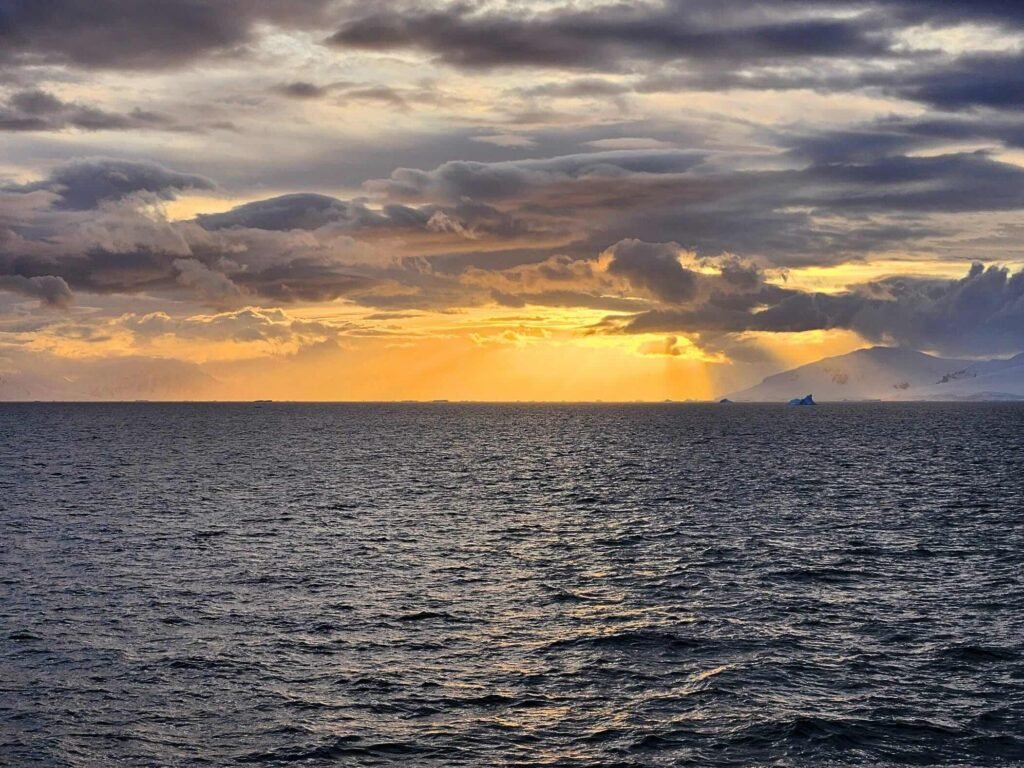
Many expedition days had one outing in the morning and another in the afternoon, but nothing in Antarctica felt fully guaranteed. On my trip, we had an excursion cut short by a storm, a route change because of a medical situation onboard, and one afternoon where our ship became surrounded by sea ice.
The night before, the crew might give us one plan. By morning, Antarctica sometimes had another.
Things to Do in Antarctica That are Actually Included
There are a surprising number of things to do in Antarctica that are included in your cruise price, and honestly, these are the activities that make the trip feel worth it.
Zodiac cruises
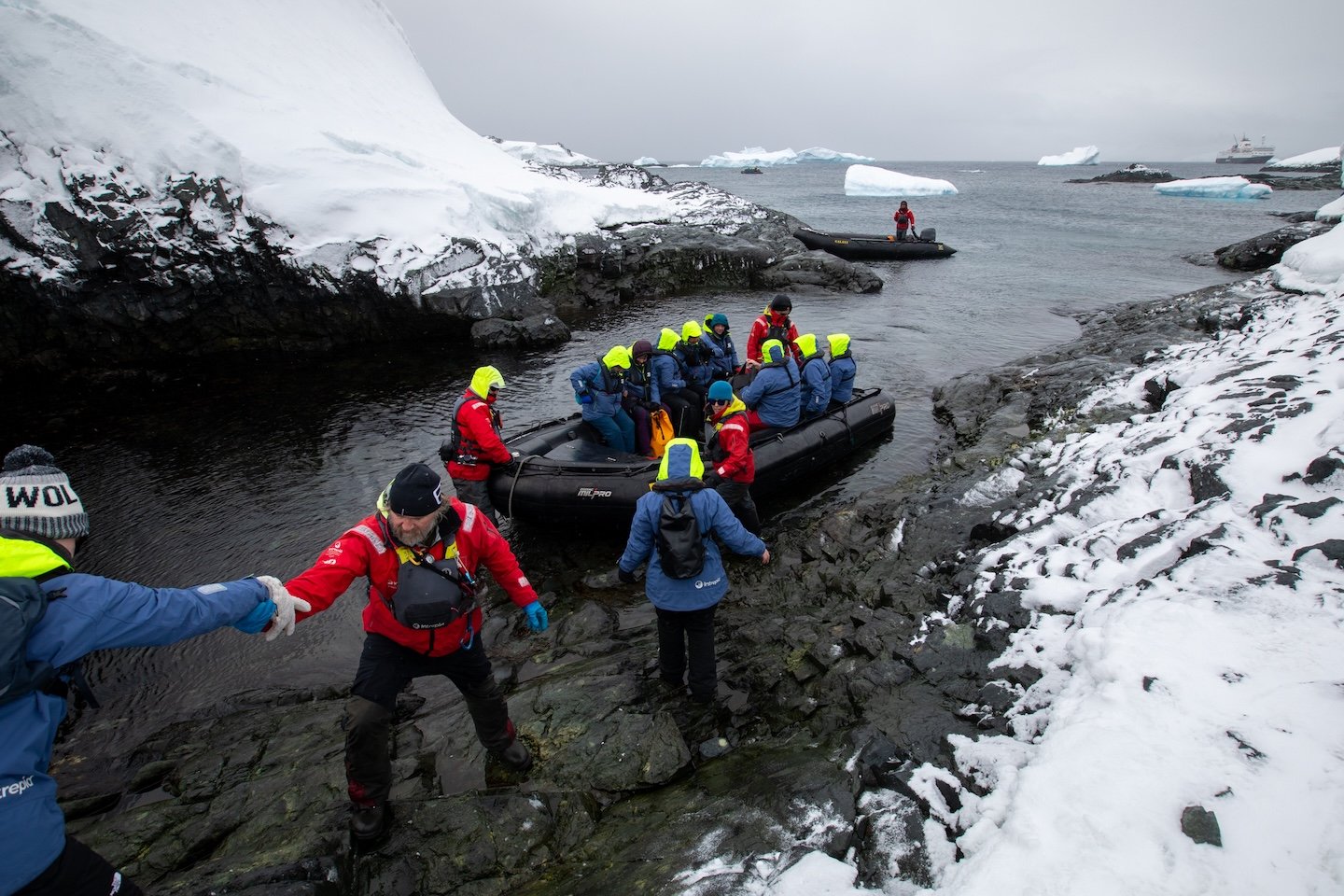
One of the main ways you explore Antarctica is by Zodiac boat, a small, sturdy inflatable boat used to cruise through icy water, get closer to glaciers and wildlife, and reach places the expedition ship obviously can’t.
On my expedition, Zodiac cruises were one of the core included activities. They fit around 10 passengers plus a guide, and every cruise felt different depending on the weather, ice, and wildlife that day.
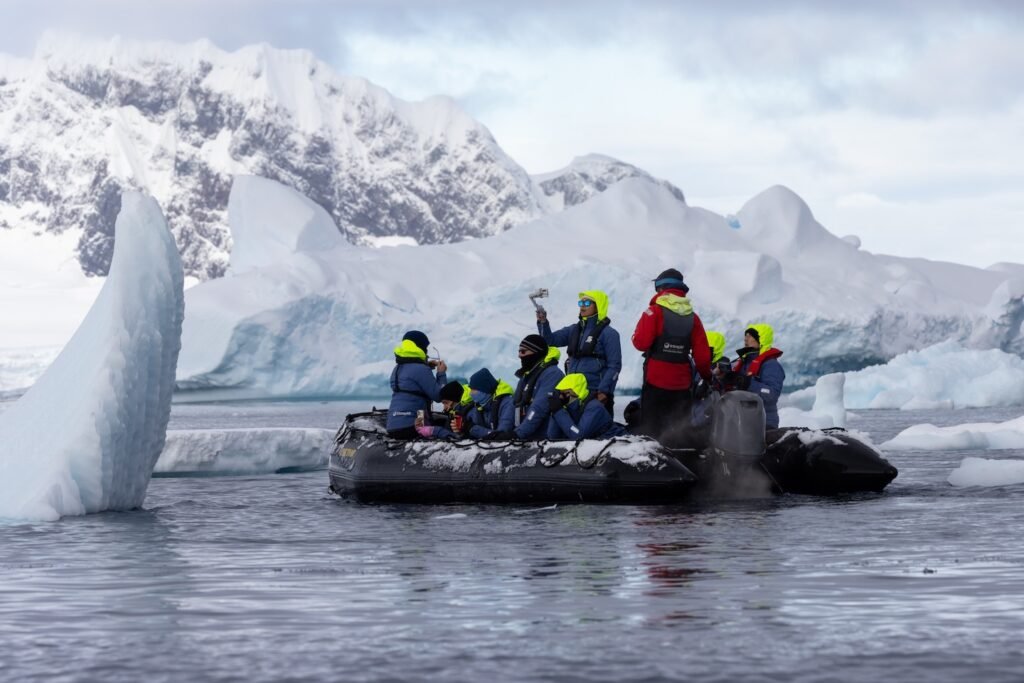
Some rides were dramatic. On our first excursion near Detaille Island, the water was choppy, snow was blowing sideways, and waves splashed into the boat while we cruised past blue glaciers and Adélie penguins. I was sitting near the front, so my waterproof gear suddenly felt very necessary.
Other Zodiac cruises were calm and almost dreamlike. At the Fish Islands, our guide cut the engine and let us float quietly between icebergs, with seals lounging on the ice like they were completely unbothered by the frozen world around them.
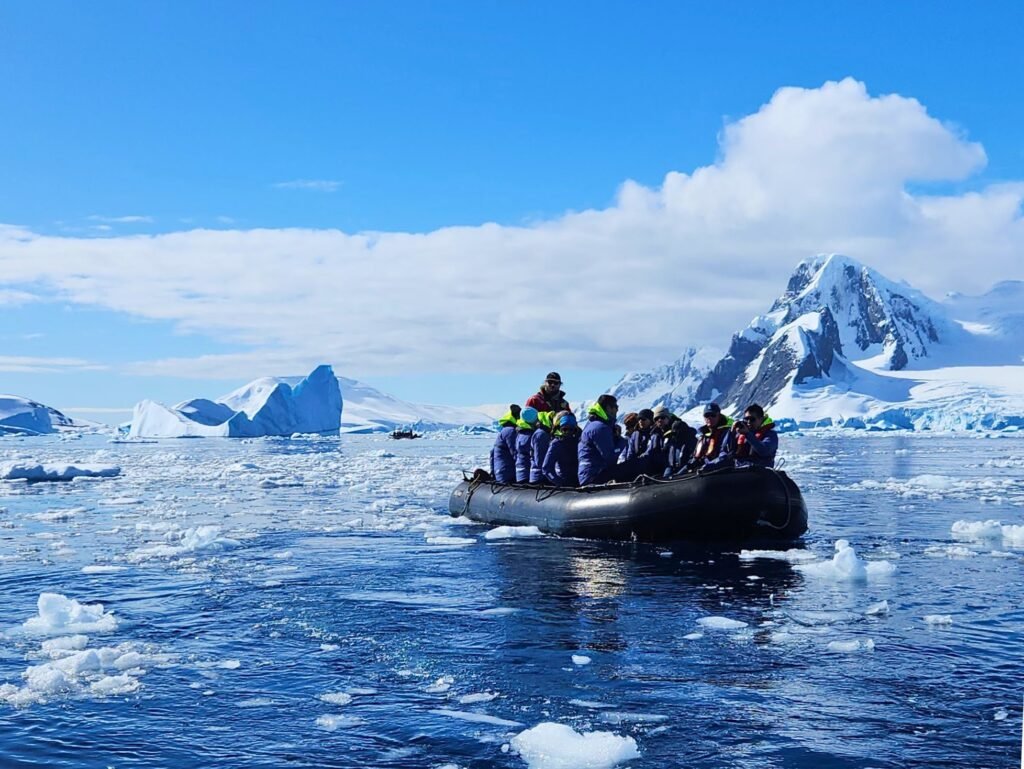
That’s what I loved about the Zodiacs. You weren’t just looking at Antarctica from the ship; you were inside it — close to the water, surrounded by ice, watching the landscape shift around you from a tiny boat in the middle of nowhere.
Zodiac rides can be cold and wet, or calm and sunny, so what you wear matters. My Antarctica cruise packing list explains the layering system I used, what my cruise provided, and which gear I rented instead of buying.
Shore landings
The other main way you explore Antarctica is through shore landings, when Zodiacs bring you from the expedition ship to land so you can walk around, take photos, see wildlife, or do a short hike. On my cruise, only 50 passengers were allowed on land at the same time, so we rotated between landing groups and Zodiac cruising groups.
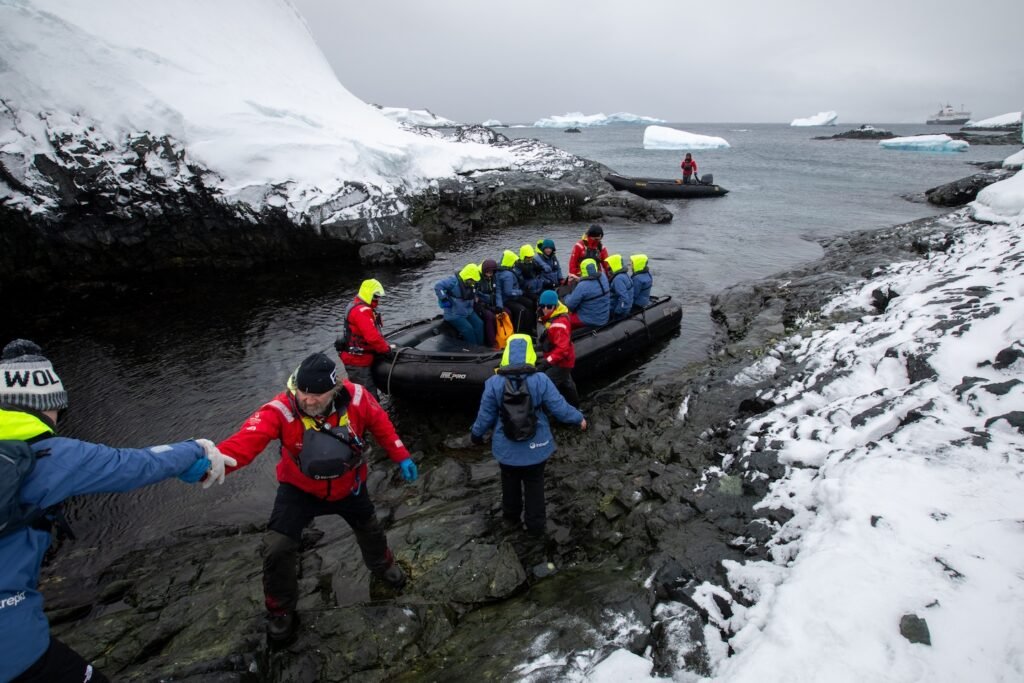
One of my favorite experiences during a landing was watching penguin chicks chase their parents around for food, waddling after them through the snow near the colony. It was insanely adorable and I couldn’t stop smiling. We also saw fur seals playing and fighting on shore, and later in the trip landed at Portal Point, which was special because it meant stepping onto continental Antarctica itself.
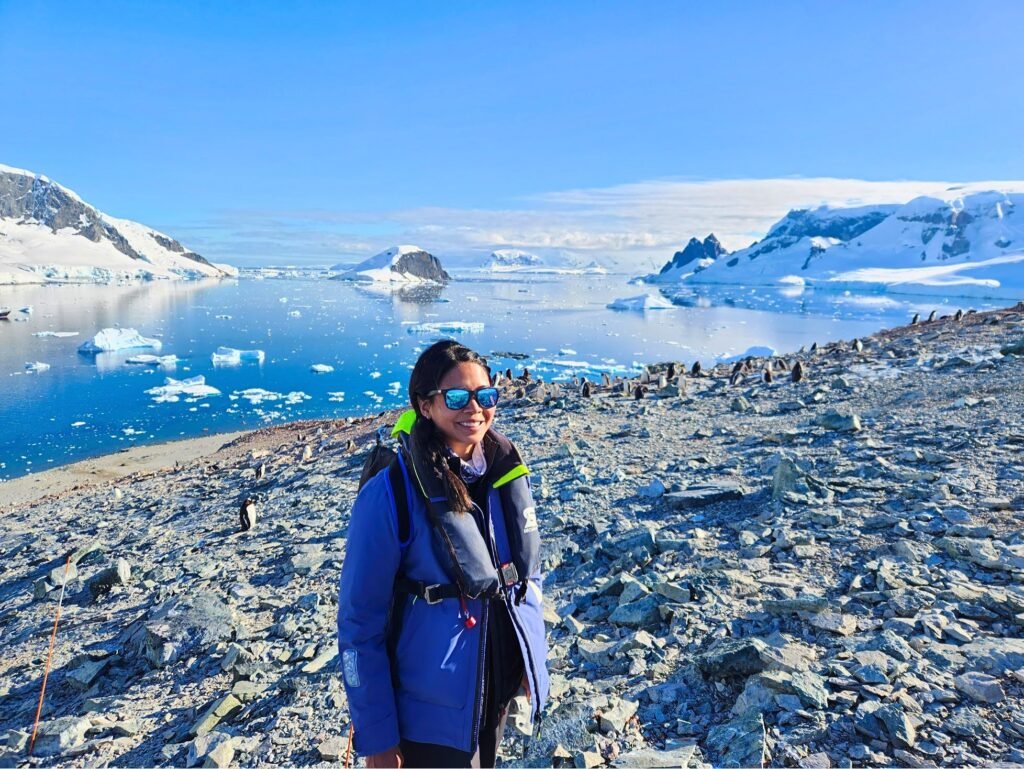
Like everything in Antarctica, shore landings are weather-dependent. On our first expedition day, we were supposed to land on Detaille Island to see a historic hut, but a storm rolled in and my group had to turn back before landing.
Wildlife watching
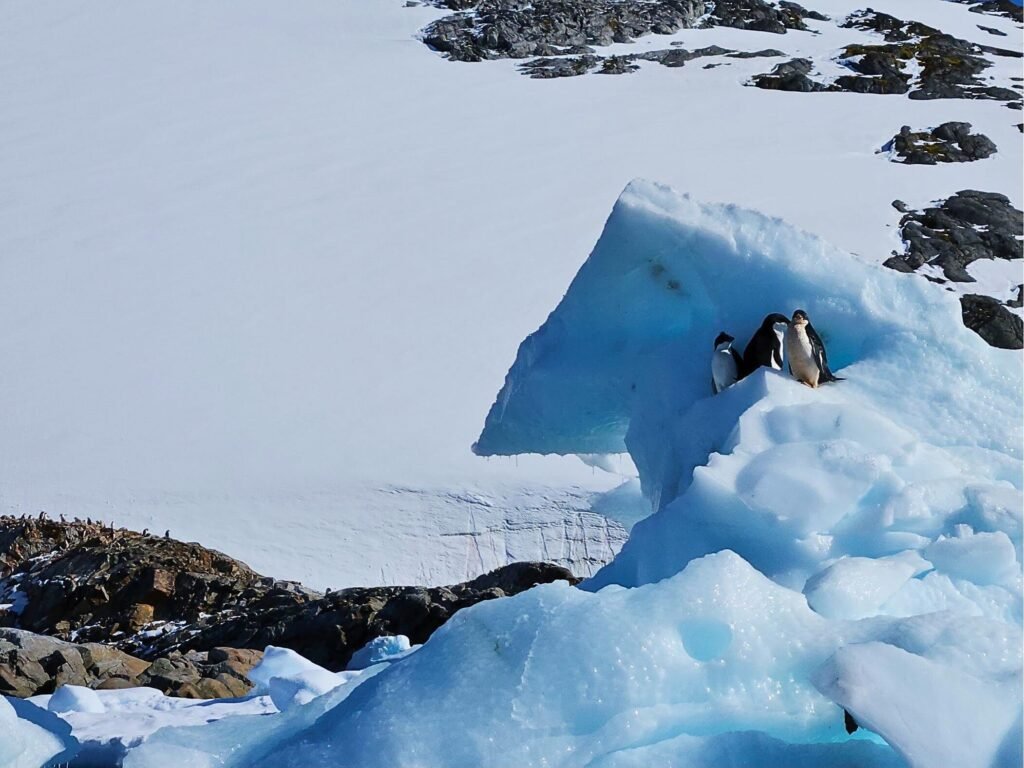
Wildlife watching is one of the biggest reasons people travel to Antarctica, but it doesn’t happen on a set schedule. You might see animals from the ship deck, during Zodiac cruises, or while eating lunch looking out the window. On my trip, we saw Adélie, Gentoo, and Chinstrap penguins, Crabeater seals, Weddell seals, Fur seals, a Leopard seal, humpback whales, orcas, and plenty of seabirds.
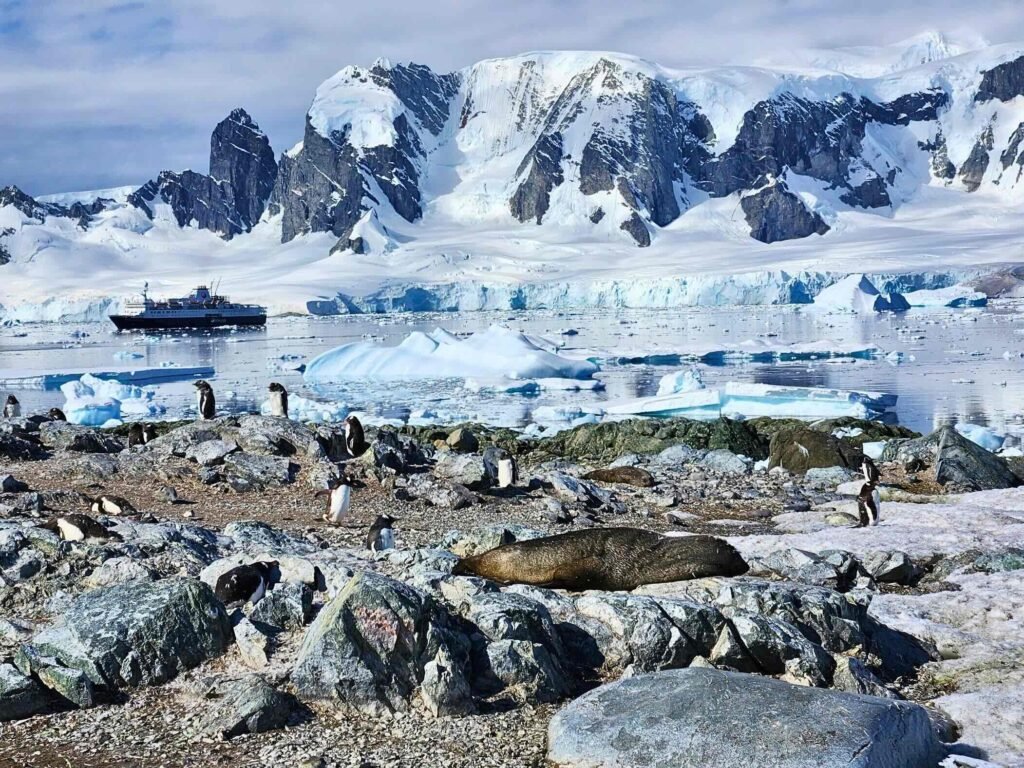
The biggest surprise was how often wildlife appeared when we weren’t specifically “looking” for it. One day, our route changed because of a medical situation onboard, and that unexpected reroute led to one of the rarest sightings of the trip: orcas in the distance. Other times, we’d see whale spouts from the deck, seals lounging on ice, or penguins porpoising through the water near the Zodiacs.
That’s the thing about Antarctica wildlife: it’s unpredictable, but it’s also everywhere if you stay alert.
Expedition lectures and citizen science
Between excursions, cruises usually offer lectures and educational sessions about Antarctica. On my ship, the expedition team included scientists who gave talks on topics like wildlife, climate, conservation, polar history, and the fragile Antarctic ecosystem.
There were also citizen science opportunities, which I didn’t realize would be part of the trip before boarding. Guests could join activities like bird surveys, marine mammal surveys, cloud observations, and water sampling. Some of the activities were more hands-on than others, but they gave the trip a deeper purpose beyond just sightseeing.
I liked that Antarctica wasn’t treated like a backdrop. The lectures, briefings, and citizen science activities helped me understand what I was seeing once we were actually out in the Zodiacs or walking near penguin colonies.
Polar plunge
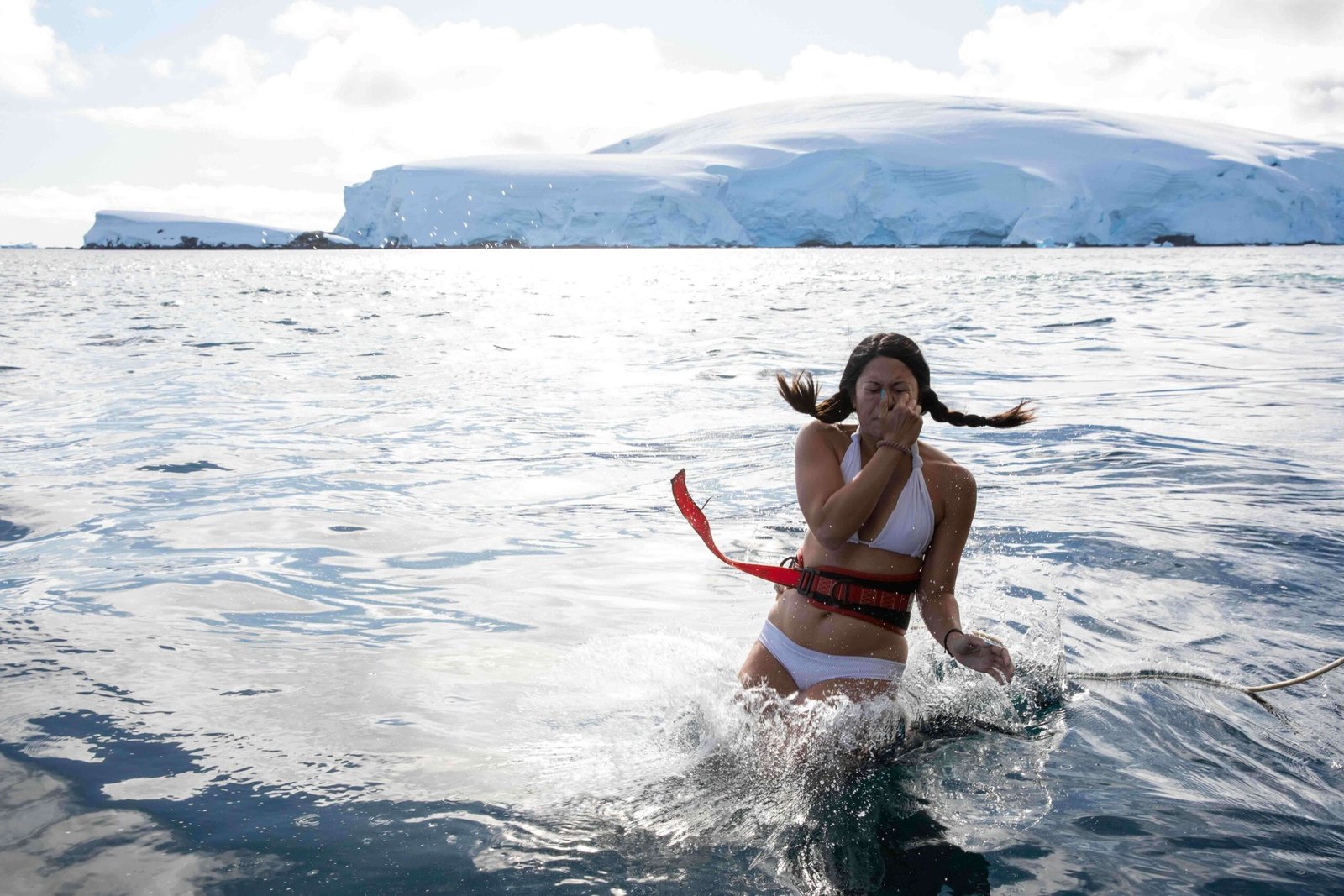
The polar plunge was optional, and it was honestly one of my favorite things I did in Antarctica. When conditions are right, passengers have the chance to jump from the ship into the freezing Antarctic waters. If it sounds insane, that’s because it is… and yet almost my entire ship decided to do it.
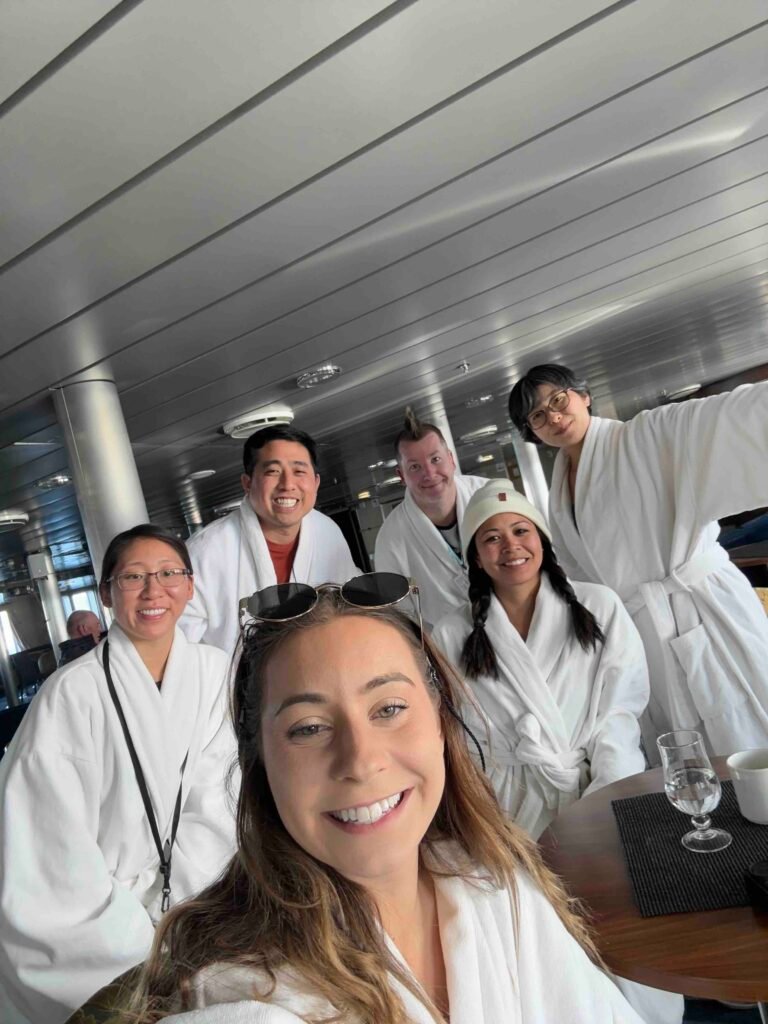
Before the plunge, the crew turned it into a full event. Music was playing, everyone lined up in their robes, and the energy on the ship felt half nervous, half ridiculously excited. Since I hadn’t planned especially well for Antarctica, I only had a normal bikini with me, so I threw on the ship robe, met up with friends, and prepared to freeze my butt off.
When it was my turn, the crew put a safety belt around my waist that was tied to the ship, with Zodiac boats nearby in case anyone needed help. Then it was a quick countdown, a jump, and instant cold. I barely remember being in the water — just the shock, the adrenaline, and swimming back to the ladder as fast as possible.
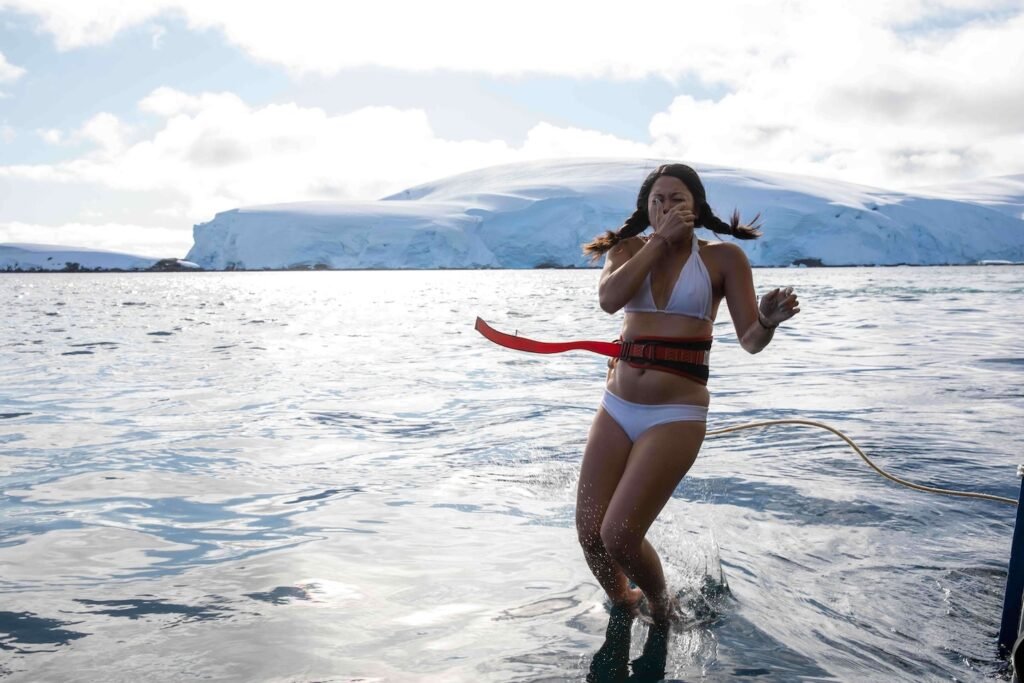
Once you’re back onboard, the crew celebrates you with either hot chocolate or a shot of vodka. I chose the vodka because, honestly, I had just jumped into Antarctic water. Afterward, everyone was buzzing from the shared experience, and the sauna was the fullest I saw it the entire trip.
Optional Things to Do in Antarctica That Cost Extra
Outside of the core expedition activities, many Antarctica cruises offer optional add-ons for an extra cost. I skipped the paid add-ons because Zodiac cruises, shore landings, wildlife watching, lectures, and ship life already kept my days full. That said, friends who did the extra activities really enjoyed them, so it depends on your budget and what kind of experience you want.
Kayaking Experience
Kayaking is one of the most popular Antarctica add-ons. Instead of joining a standard Zodiac cruise, guests in the kayaking group paddle through icy water with guides when conditions allow. Watching the kayakers from my Zodiac was impressive. You’d see these small figures in dry suits floating through icebergs. It looked meditative.
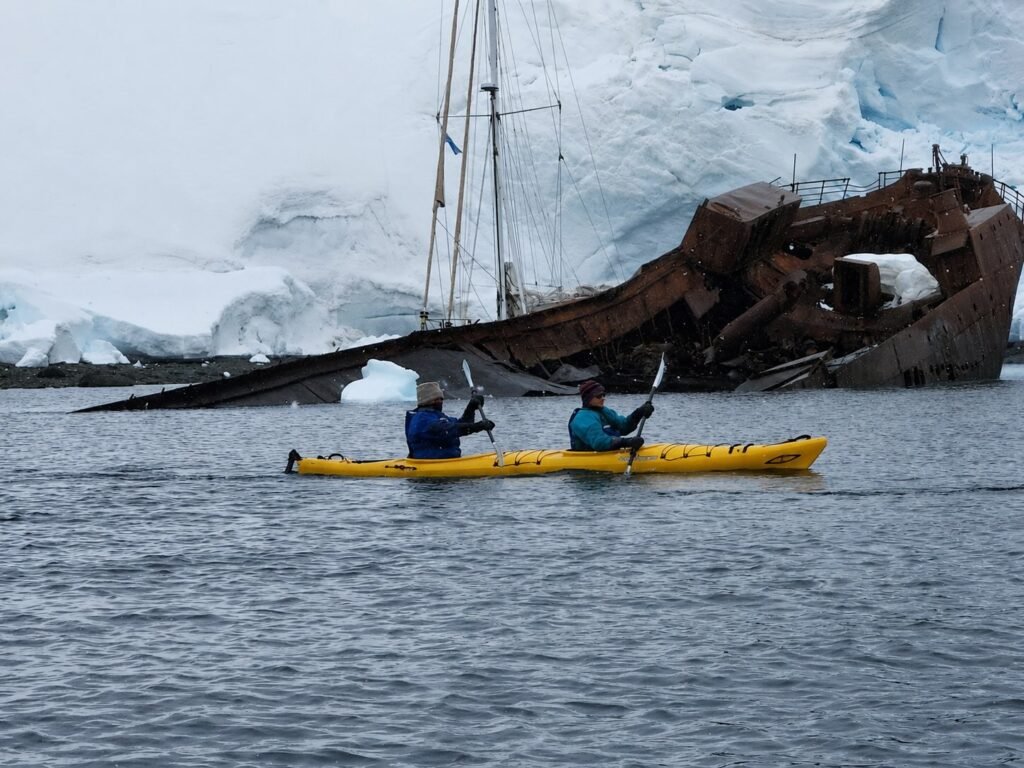
Kayaking is a great option if you’re active and want a quieter, more physical way to experience the landscape. Just know that your days depend on the weather and water, and may also replace some of your regular expedition landings or cruises.
Day paddle
A day paddle is a lighter version of the kayaking program. Instead of committing to multiple paddling days, you get a one-time kayaking or stand up paddle board experience for a shorter window, usually around one to two hours. This is a good option if you want the “I paddled in Antarctica” moment without building your whole trip around it.
Polar photography program
Some ships also offer photography-focused programs or workshops. On my expedition, guests in the photography group attended lectures on composition, exposure, lighting, wildlife photography, and landscape shooting, then practiced those skills during photography-focused outings.
The group included everyone from curious beginners to more serious hobbyists, and at the end of the trip, they presented their favorite shots to the ship. It was actually really fun to see what they had captured. The whole room was basically oohing and aahing over penguin close-ups, whale tails, and those unreal blue ice shots.
Camping and snowshoeing
Camping and snowshoeing are also offered on some Antarctica itineraries, but they were not available on my February trip due to snow melt. Like most activities in Antarctica, availability depends on the itinerary, season, and weather conditions.
What to do on sea days
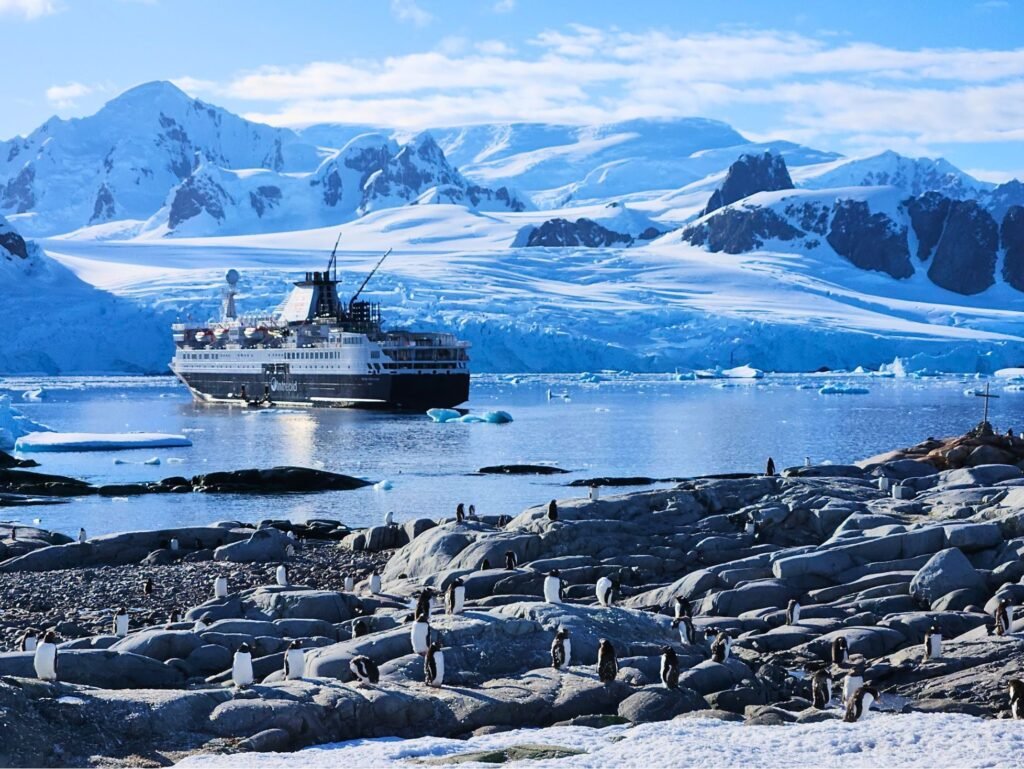
On most Antarctica cruises, you’ll spend a few days at sea, usually while crossing the Drake Passage at the beginning and end of the trip. So what do you do when there aren’t expeditions? Honestly, it depends on your personality.
Solo activities
Being in one of the most remote places in the world, especially if you skip the expensive Wi-Fi like I did, gives you a lot of time to yourself. Some people spent sea days reading, journaling, editing photos, or browsing the ship’s small library of Antarctica and wildlife books.
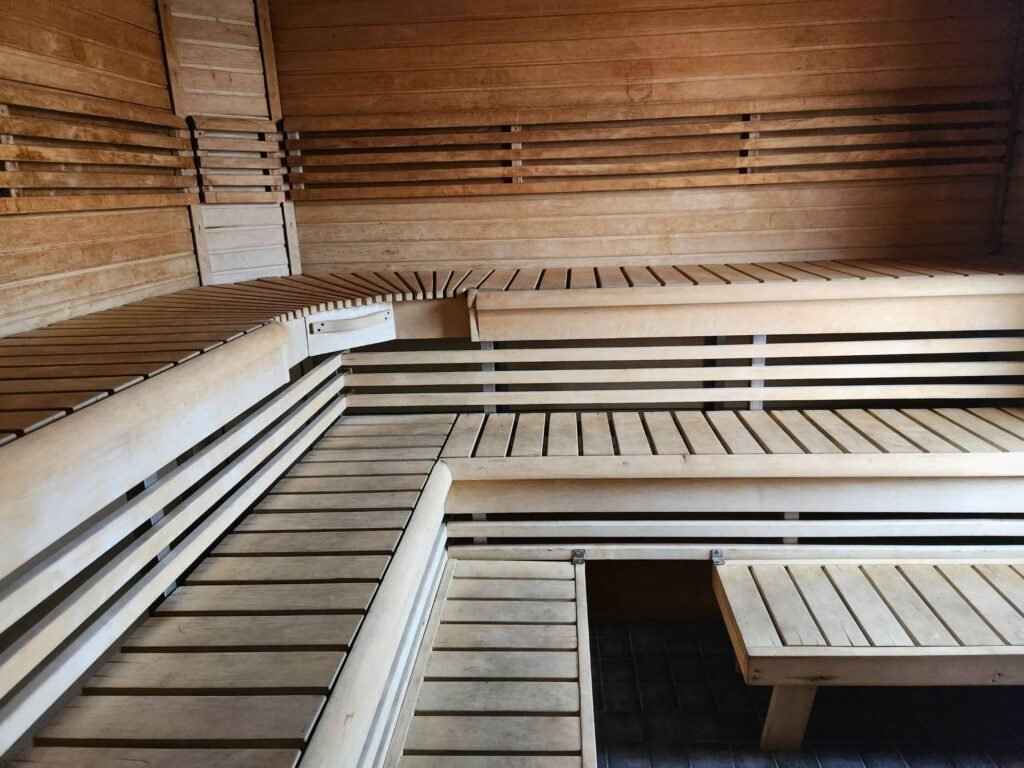
Others focused on wellness: going to the gym, walking or running laps around the deck, taking a yoga or meditation class, sitting in the sauna, or warming up in the hot tub. I even used one of the empty rooms to practice bachata by myself, which admittedly difficult with the waves, but hey, we work with what we have.
Social activities
If you want to be social, sea days are also when ship friendships really start to form. People played board games, hung out at the bar, joined lectures, watched wildlife from the deck, or just sat around talking about the absurdity of where we all were.
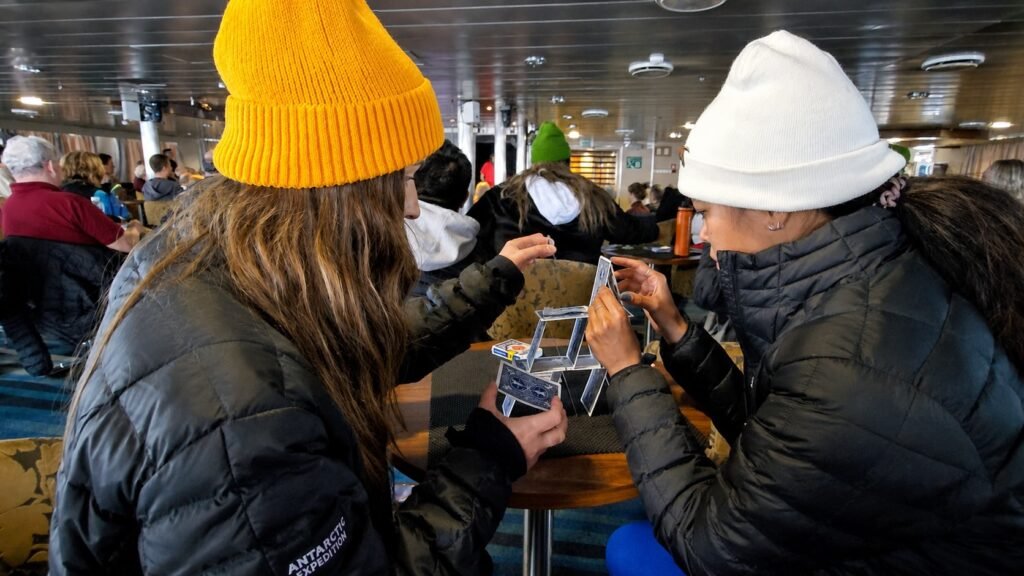
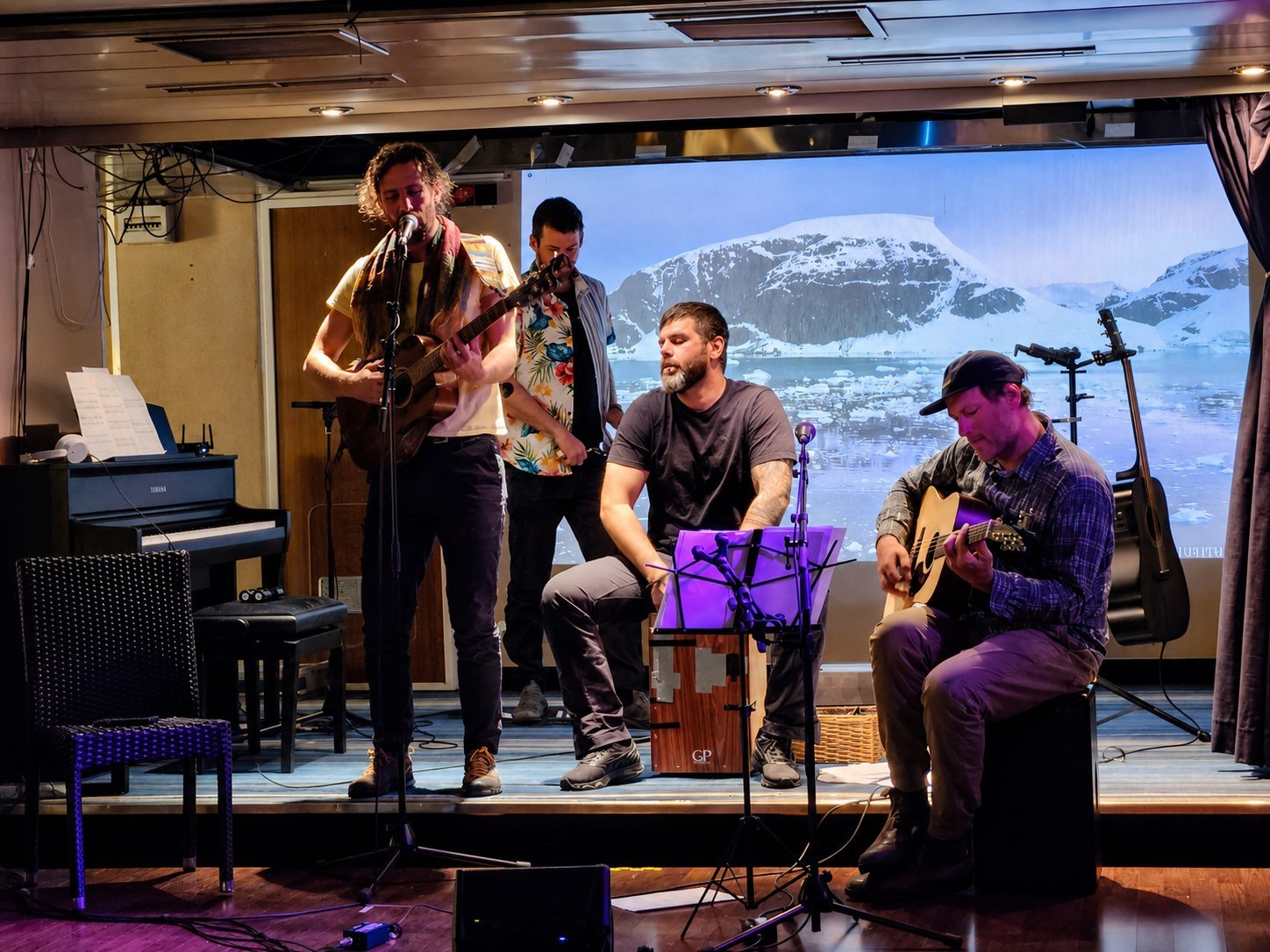
My new friends and I somehow turned building card houses on a rocking ship into an ongoing challenge, which was both ridiculous and weirdly entertaining. On some of the Drake Passage nights, the expedition crew treated us to live music and later there was music and dancing while the boat rocked back and forth. It was chaotic, but in the best way.
A final note
If you came here wondering what you can actually do in Antarctica, the answer is a lot. I didn’t spend my time on the ship waiting for things to happen. My days were filled with Zodiac cruises, shore landings, wildlife sightings, lectures, and and all of those unplanned in-between moments that make a trip worthwhile. The afternoons where the ship couldn’t move and everyone just stood on deck watching ice in every direction. The sea days that turned into something unexpectedly social. The wildlife that showed up because our route changed for reasons that had nothing to do with wildlife.
You can read every activity list before you go. Antarctica will still surprise you.
Planning a trip to Antarctica?
🚢 Book your expedition cruise: G Adventures
🏥 Antarctica Travel insurance: IMG travel insurance
🛌 Book your pre-cruise hotel: Booking.com
🚣🏻♀️ Book pre-cruise Ushuaia tours: Viator
🚘 Rent a car in Ushuaia: Discover Cars
FAQ: How to travel to Antarctica
READ MORE ABOUT USHUAIA & ANTARCTICA
Looking for more information about traveling to Antarctica? Here’s some further reading that may be helpful for your trip:
🏨 Looking for a place to stay in Ushuaia before Antarctica? Where to stay in Ushuaia Argentina: My Top Areas & Hotels
⛴️ Want to know what to expect when traveling to Antarctica? Read my guide How to Travel to Antarctica: What I Wish I Knew Before Booking.
⛰️ Want information on what to expect in Ushuaia before your expedition? Read Ushuaia to Antarctica: What I Wish I Knew Before Boarding My Expedition Cruise.
💰 Curious about what to expect in terms of cost for an Antarctica trip? Check out my budget breakdown: How Much Does a Trip to Antarctica Cost?
🧳 Don’t know what you need for Antarctica? Check out my Antarctica Cruise Packing List.
🚣🏻 Want to know how you’ll spend your time in Antarctica? Read Things to Do in Antarctica: What You Actually Do on an Expedition Cruise.
💁🏻♀️ Curious about traveling to Antarctica solo? Read Solo Travel to Antarctica: What it’s Really Like Going Alone

I’m Marie, a slowmad and adventurer who left settled life in the U.S. to live abroad and explore the world.
I live in countries for months at a time to understand new cultures and explore deeply, sharing my insights on what it’s like to live abroad and the travel adventures along the way.
MORE ANTARCTICA
-
Solo Travel to Antarctica: What It’s Really Like Going Alone
I traveled to Antarctica alone without knowing anyone onboard. Here’s what the experience was really like, including meeting other solo travelers, sharing a cabin, staying safe as a solo woman,…
-
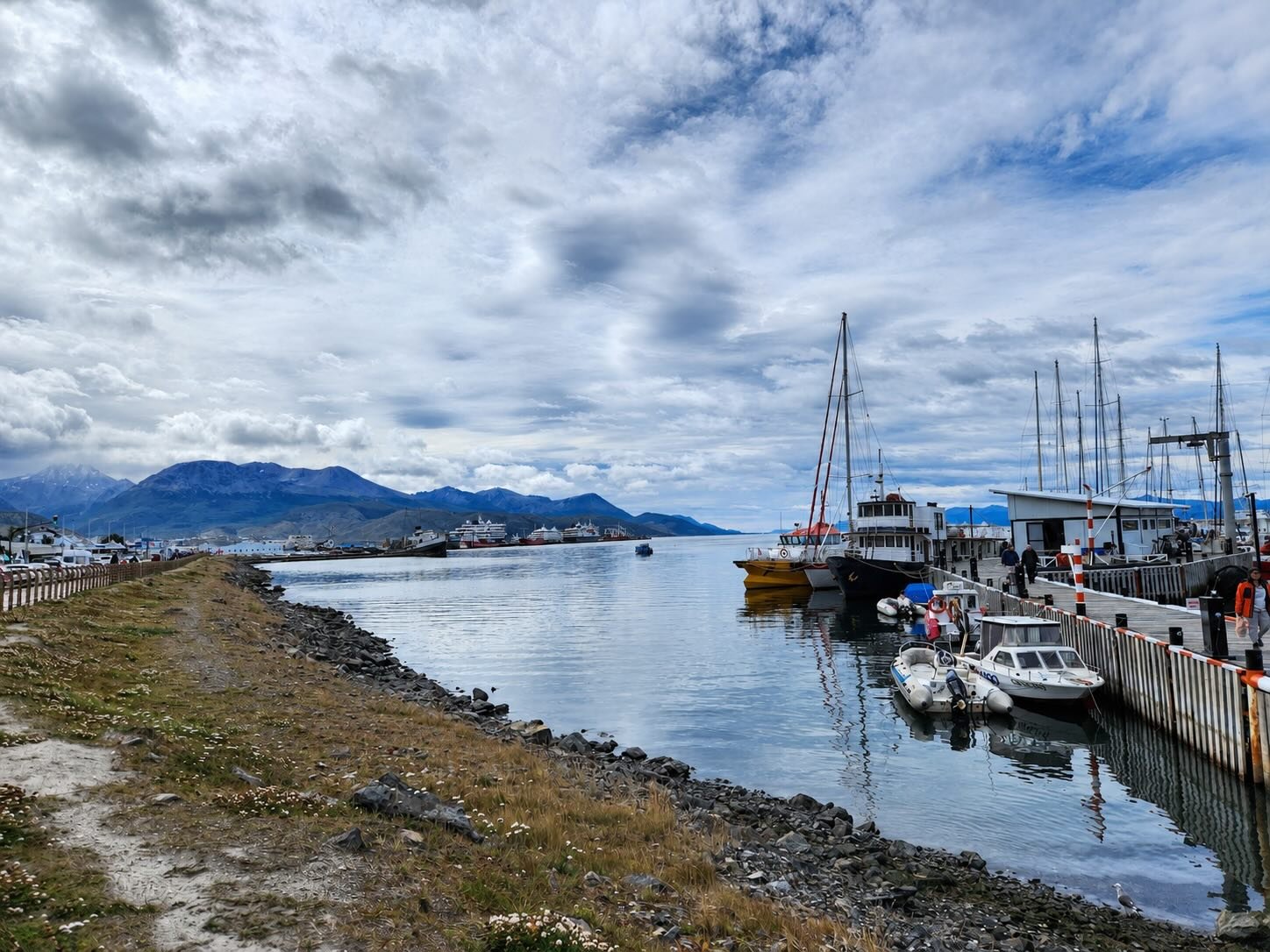
Ushuaia to Antarctica: What I Wish I Knew Before Boarding My Expedition Cruise
Traveling from Ushuaia to Antarctica is more layered than simply arriving at the port and boarding a ship. Here’s what I wish I knew before my expedition cruise, including how…
-
Antarctica Cruise Packing List: What I Brought, Borrowed, Rented, and Actually Used
Packing for an Antarctica cruise is different from preparing for a typical cold-weather trip. Here’s what I wore, rented, and what I would leave at home next time.
-
Things to Do in Antarctica: What You Actually Do on an Expedition Cruise
Wondering what you actually do in Antarctica? Here’s my firsthand experience of Zodiac cruises, shore landings, wildlife encounters, polar plunge, and more.