COLOMBIA
Is Medellín Safe? What it’s actually like for tourists and digital nomads
•
SHARE:
This post contains affiliate links. If you book through them, I earn a commission at no cost to you. Learn more
It’s a Friday afternoon in Medellín and my friend Bryan suggests we grab a quick beer before meeting others for dinner. He finds a random bar on Google, types it into Uber, and we’re on our way.
Our driver gets stuck in traffic and drops us in the middle of an alleyway I immediately don’t feel good about. As soon as we get out, I hear whistling. Two young men sprint through the alley. People on the street are staring at us — especially as Bryan stands there with his phone out, trying to figure out where we are. We clearly don’t belong.
As we’re scrambling to get an Uber out, a group of men start following Bryan and yelling at him in Spanish. The second we’re in the car, the driver turns around: “¿Qué hacen aquí?” What are you doing here? He tells us the whistles we heard were people signaling drug movement around police, and that this is not somewhere foreigners should be wandering.
That’s Medellín. Beautiful, livable, full of cafés and dance classes and mountain views — and the kind of place where one wrong turn changes the energy fast. This post is about understanding how safety actually works there.
Medellín Safety: Quick Take
Overall: Safer than its reputation, but not a city to be careless in
Biggest risks: Theft, nightlife setups, dating app targeting, scopolamine
Key mindset: No dar papaya — don’t make yourself a target
Best for: Travelers and digital nomads who stay aware and move intentionally
My take: I’d go back in a heartbeat — with the same awareness I brought the first time
So, Is Medellín Safe?
You’re probably asking because you’ve heard about Medellín’s violent history — or because you’re considering visiting one of the most popular digital nomad destinations in South America.
The short answer: Medellín can be safe enough to visit or live in, but it’s not a city where I’d recommend being careless.
It’s much safer than its old reputation suggests, and it can be genuinely livable. Most travelers and digital nomads who spend time here don’t have serious issues. But the risks are real, specific, and mostly avoidable with the right behavior and awareness.
This isn’t a “just use common sense” destination. Safety here is less about whether the city is safe or dangerous overall, and more about the decisions you make inside it.
No Dar Papaya: The Rule That Explains Everything

If you spend any time in Colombia, you’ll hear the phrase no dar papaya. It literally translates to “don’t give papaya,” which sounds silly in English, but its meaning is important.
It means: don’t make yourself an easy target.
Don’t walk around with your phone out near busy roads where motorbikes pass. Don’t stand on a street corner looking lost while you figure out where you’re going. Don’t flash jewelry in the wrong part of town. Don’t get blackout drunk around strangers. Don’t wander into an unfamiliar neighborhood at night just because a bar showed up on Google Maps.
What I like about this phrase is that it puts the focus where it belongs: on behavior and decisions, not on a blanket verdict about the city or country. Medellín isn’t absolutely dangerous, and it isn’t absolutely safe. Safety changes depending on how you move through it.
Neighborhood Safety: What I Noticed
Safety in Medellín varies a lot — sometimes block by block. A busy main street can feel completely fine while a quieter side street a few minutes away feels different fast. I felt this most clearly in places like Barrio Antioquia and parts of La Candelaria, but even in areas I knew better, I paid more attention at night.
The bigger lesson: it’s not just about picking the “right” neighborhood. It’s about the exact street, the time of day, how active the area is, and whether you know where you’re going.
If you’re deciding where to stay, read my Best Neighborhoods in Medellín guide.
🏨 Choosing where to stay in Medellín?
Your neighborhood matters more here than in some cities. If it’s your first visit, I’d start your search in El Poblado or Laureles, where it’s easier to access restaurants, cafés, nightlife, and Ubers without feeling isolated.
👉🏽 Compare stays in El Poblado and Laureles
Day vs. Night: The Biggest Shift in How Medellín Feels
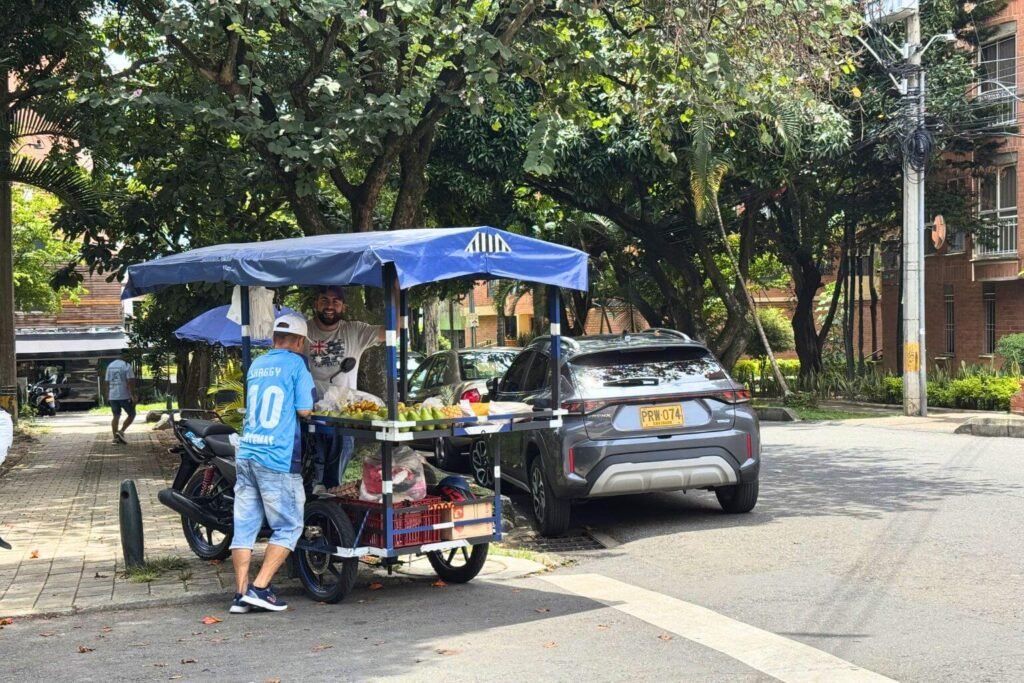
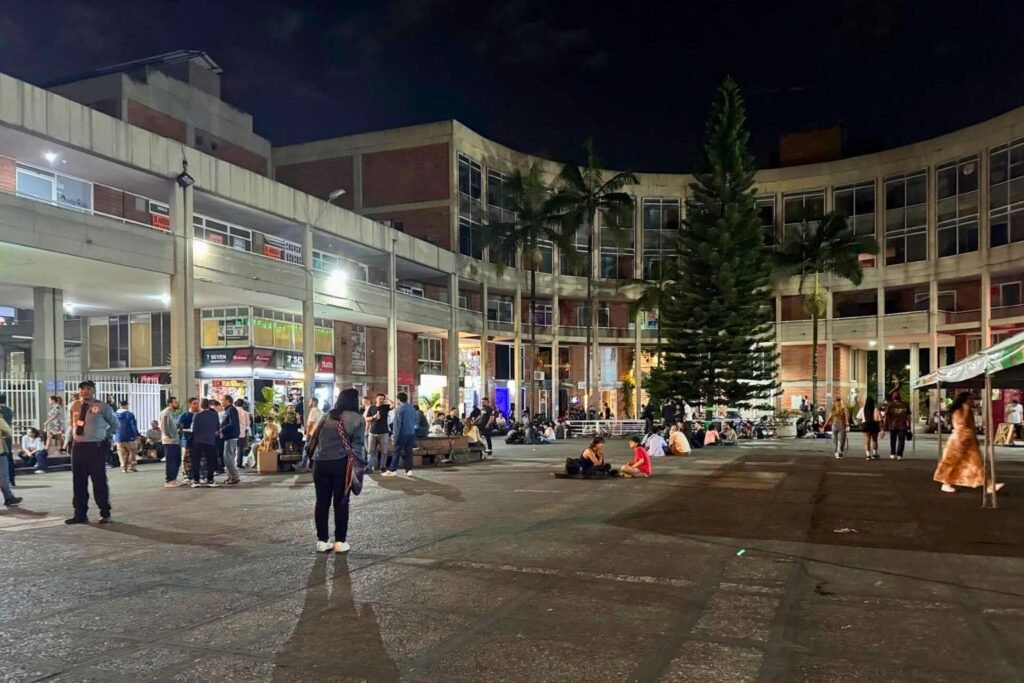
During the day, Medellín can feel relaxed, social, and genuinely lovely. People are out walking dogs, vendors are selling fruit from bikes with speakers, families are in parks, and the city feels green and alive. Night is different. Not everywhere. Not always. But different enough that your decisions should change.
The main one: take an Uber after dark when you’re unsure, even for short distances. I stopped walking alone at night on streets that weren’t busy and well-lit, even for distances that would have felt completely fine during the day.
Stay on active streets where there are other people, vendors, and restaurants with lights on. Know where you’re going before you leave, so you’re not standing outside staring at your phone. And if you arrive somewhere and the vibe immediately feels off, trust that instinct and leave.
*Don’t try to logic your way out of a gut feeling in Medellín.*
This is also why I’d prioritize staying somewhere with easy Uber access and active streets nearby, especially if it’s your first time in Medellín.
Nightlife, Dating Apps, and Scopolamine
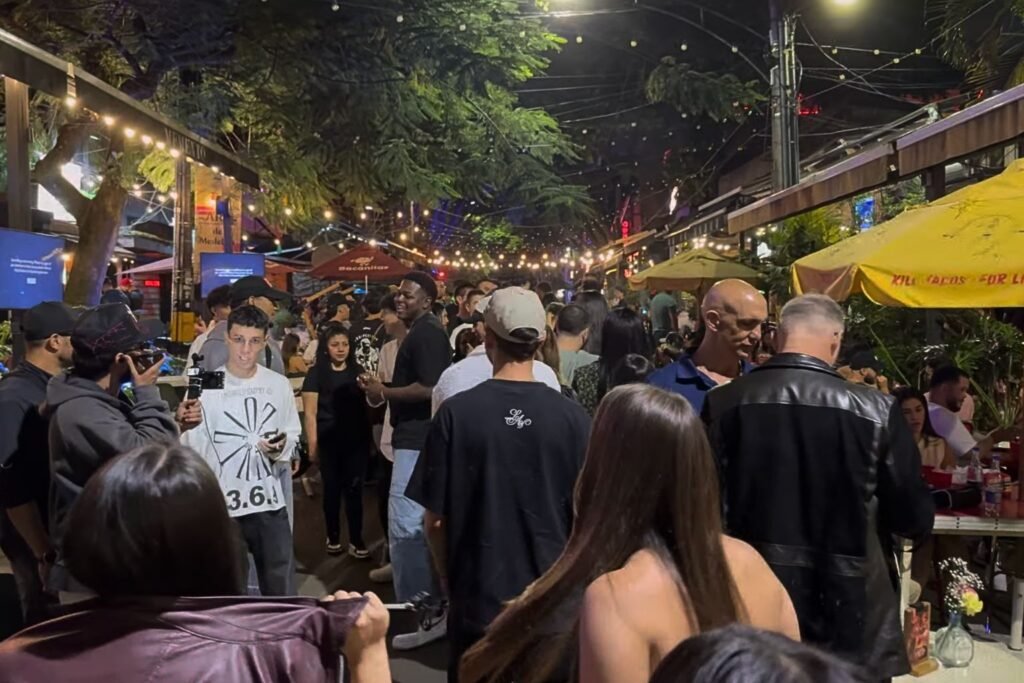
This is the section I want to be specific about, because most posts either skip it or make it sound more dramatic than useful.
The risk here is real, but it’s also not random.
Nightlife Risk Isn’t Just About “Bad Areas”
Some of the riskiest situations in Medellín happen in popular, tourist-friendly zones. Provenza and parts of Poblado are full of foreigners every weekend — which also means they attract people looking to take advantage of foreigners.
Being in a busy, recognizable nightlife area doesn’t automatically mean you’re safe. Sometimes it means you’re more visible as a target.
Pickpocketing, drink spiking, and robbery after a night out are the big things to be aware of. The risk goes up when you’re drunk, alone, distracted, or going somewhere private with people you just met.
Dating Apps Are a Bigger Risk Than Many People Realize
Foreign men in particular are targeted through dating apps in Medellín.
This doesn’t mean everyone on the apps is dangerous or that dating in Medellín is impossible. Plenty of people meet normally. But the pattern is common enough that it’s worth saying clearly: some setups begin on dating apps and end in drugging, robbery, or worse.
As a solo female traveler, I was honestly more worried about my male friends in certain situations than I was about myself. That surprised me, but it was one of the clearest safety dynamics I noticed.
Scopolamine
Scopolamine is the drug most associated with these incidents, and its effects are terrifying. It’s often described as odorless, colorless, and fast-acting. People who are drugged may become compliant; they hand over wallets, phones, PINs, passwords, and even go wherever they’re told — with little or no memory afterward.
The U.S. Embassy in Colombia has issued specific warnings about foreigners being targeted this way, and there have been high-profile cases involving tourists and travelers in Medellín that made international news. I’m not going to sensationalize individual stories, but the pattern is documented and worth taking seriously.
The practical advice is simple, but it’s easy to forget after a few drinks:
Meet people in public places, and stay in public until you feel like you actually know the people you’re with. Don’t leave your drink unattended. Don’t get heavily intoxicated around people you just met, and be careful with situations that escalate too quickly.
Getting Around Safely
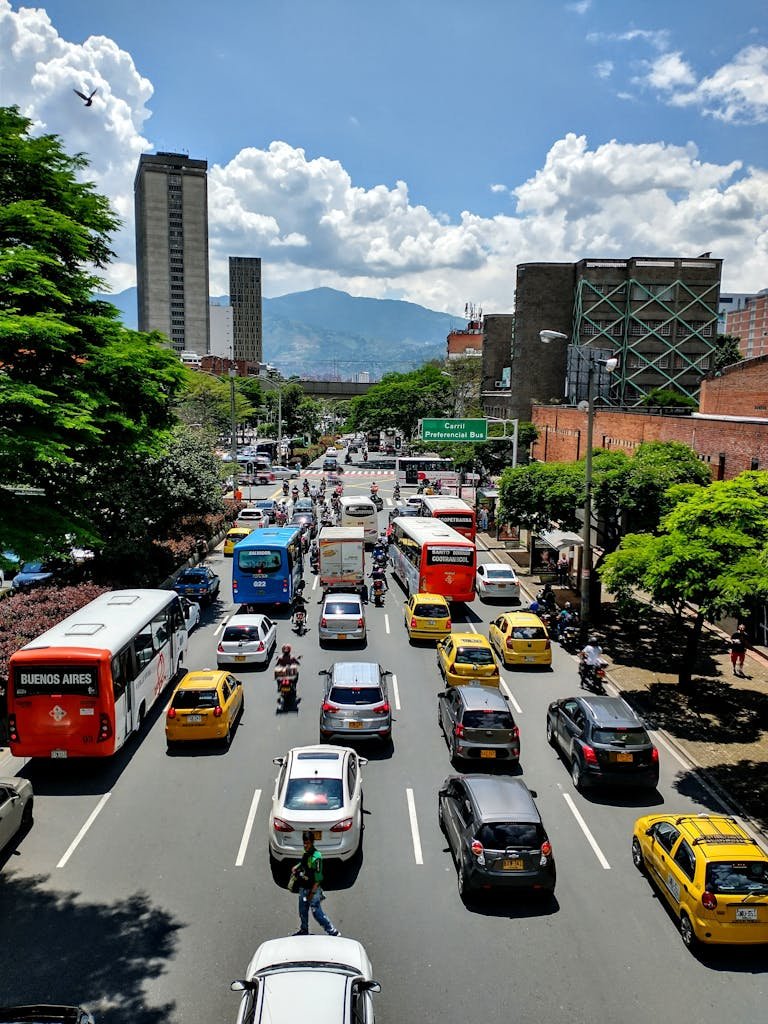
Uber and Didi are your best friends in Medellín, especially at night. They’re affordable, reliable, and one of the easiest ways to reduce risk.
If I was unsure about an area after dark, I took a car. Even if it was only a few blocks, and even if I technically could have walked.
Uber Moto is cheaper and sometimes faster, but I was cautious with it. I saw more motorcycle accidents in Medellín than in almost any other city where I’ve used moto transport. On a rainy day, in traffic, or at night, paying more for a car felt worth it.
If you want to learn more about transportation options in Medellín, I wrote a guide to Getting Around Medellín.
Phones, Valuables, and Street Awareness
This is where no dar papaya becomes practical.
Don’t walk around with your phone out, especially near roads where motos pass. Phone snatching from bikes is common enough that it should change your behavior. If you need to check directions, step into a café, shop, restaurant, or hotel lobby.
Pull up your route before you leave. Know the name of where you’re going. Avoid standing outside looking confused for too long.
For valuables, don’t wear flashy jewelry in areas you don’t know, and don’t make cash visible when paying vendors or leaving bars.
None of this is extreme. It’s just the version of street awareness Medellín requires, which in my experience, is higher than what many travelers are used to.
The Reality of Drugs, Gangs, and Prostitution in Medellín
Medellín has changed enormously in the last three decades. The city is not what it was during the height of gang violence, but locals were honest with me about what still exists beneath the surface.
Drugs still shape parts of the economy and certain neighborhoods in ways that aren’t always visible to visitors. The whistles Bryan and I heard in that alleyway were described to us as a signal system for moving product around police.
Locals also told me that gangs still operate quietly in many neighborhoods, and that some businesses pay informal protection money to operate safely. As a visitor, you probably won’t see this directly, but it shapes the city in the background.
Prostitution is also visible, especially in parts of Poblado, and it’s technically legal. The part that matters for safety is that it can overlap with organized crime targeting foreigners, including the drugging and robbery schemes mentioned above.
This context is worth understanding. Not because Medellín should be reduced to crime, it shouldn’t be, but because pretending this layer doesn’t exist doesn’t help anyone either.
📶 Stay connected in Medellín
I wouldn’t arrive in Medellín without reliable data — you’ll use it for Uber, maps, WhatsApp, and checking directions. I used Airalo and found it easy to stay connected while working remotely.
Check Airalo eSIMs for Colombia
How Safe Is Medellín for Solo Travelers, Women, and Digital Nomads?
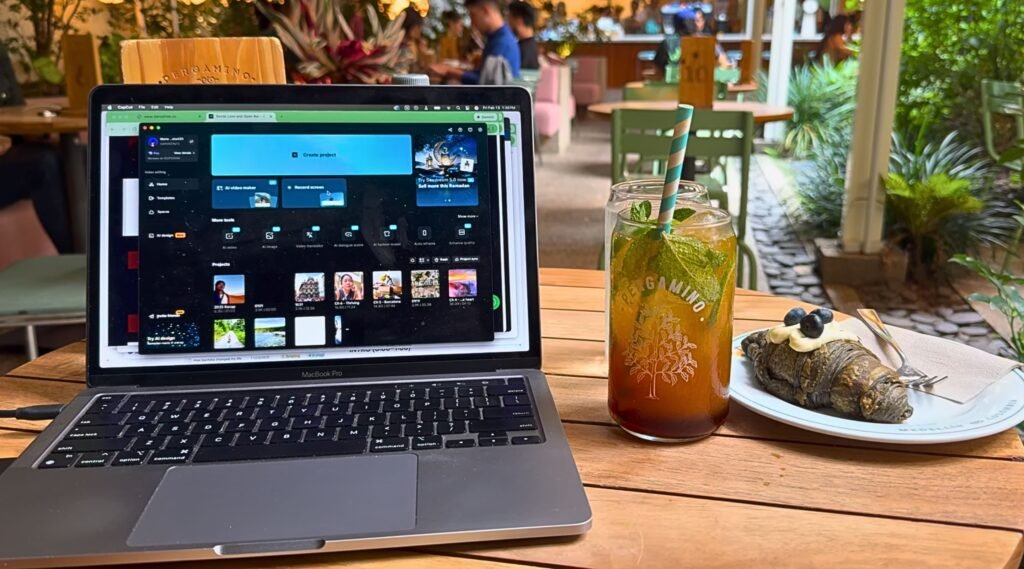
Solo Female Travelers in Medellín
I first came to Medellín as a solo female traveler, and honestly, I didn’t find it uniquely terrifying as a woman.
I was careful. I used Uber at night, avoided walking alone on unfamiliar streets after dark, and stayed aware of my surroundings. But I didn’t feel constantly threatened or targeted in the way I might have expected given Medellín’s reputation.
My advice for solo women: build routines quickly. Know your neighborhoods. Use Uber. Don’t walk alone at night on quiet streets.
Solo Male Travelers in Medellín
Men, especially foreign men, carry a specific risk in Medellín that’s worth being direct about.
As I mentioned before, dating app setups, nightlife targeting, and scopolamine-related robberies disproportionately affect men. On my first trip, I found myself more worried about my male friends in certain situations than about myself as a woman.
Be especially careful about who you meet through apps, where you go with them, and how much you drink around people you don’t know.
Digital Nomads Staying Longer
Staying longer can actually help with safety in one important way: you build routines. The longer I stayed, the safer Medellín felt because I had familiar places — cafés I returned to, dance classes where I saw the same faces, grocery stores I knew, and neighborhoods I understood better. That kind of routine makes a difference.
Some public spaces also felt comfortable when they were active and well-lit. Parques del Río, for example, often had vendors, families, roller skaters, and dance groups out at night, which made it feel very different from a quiet side street.
The risk for longer-term visitors is complacency. Once Medellín starts to feel like home, it’s easy to relax too much. Keep the habits that serve you, even once the city feels familiar.
If you’re considering a longer stay, read my Guide to Living in Medellín and Best Cafés in Medellín for Remote Work.
My Medellín Safety Rules
After about 6 months in Medellín, these are the habits I kept:
• I don’t pick random bars off the map at night without knowing the neighborhood.
• I take Uber after dark when I’m unsure, even for short distances.
• I step inside somewhere if I’m lost and need to use my phone.
• I don’t walk with my phone visible near roads with motorbike traffic.
• I don’t get significantly drunk around people I just met.
• I pay attention when the energy of a street changes.
• I trust my gut quickly instead of second-guessing it.
Final Verdict: Would I Recommend Medellín?
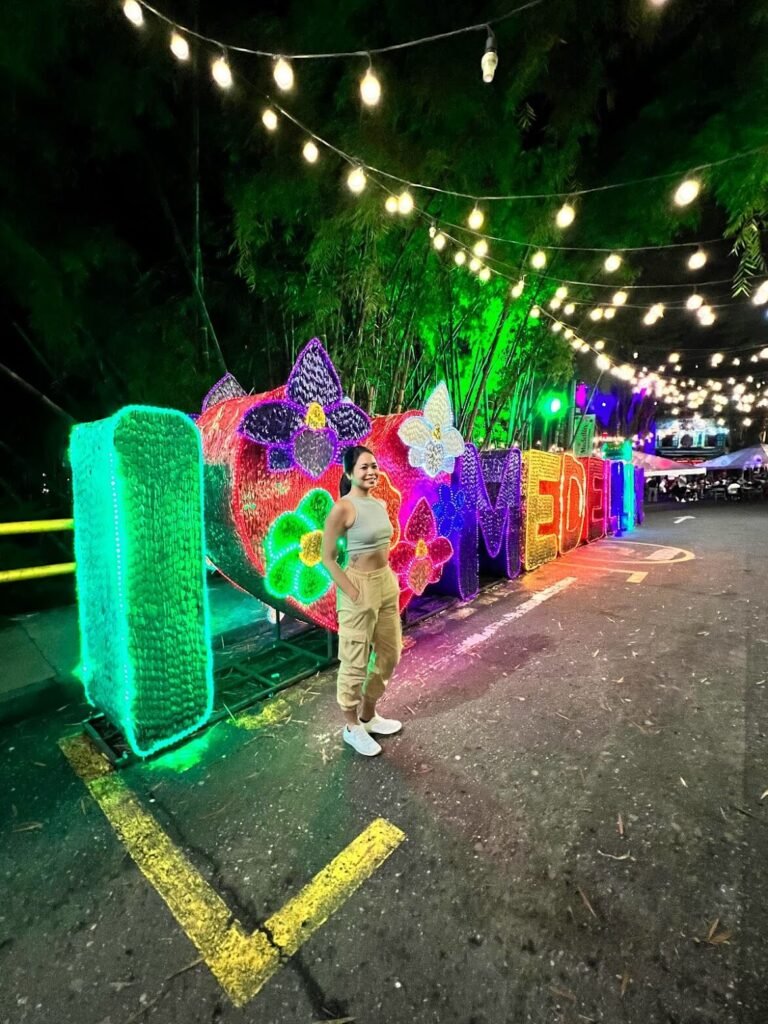
Absolutely. But with a clear sense of situational awareness.
Medellín is one of the most interesting, livable, and beautiful cities I’ve spent extended time in. The food, the community, the weather, the dance culture, the energy of the place — it earns its reputation as a top destination for travelers and digital nomads. Most people who go have a great time and come back wanting more
That said, it’s not a city where I’d fully switch off. The gap between a great experience and a bad one can come down to a few decisions: which neighborhood you’re in, what time it is, whether you’re walking or taking a car, whether you’re paying attention, whether you have your phone out.
That gap is navigable. You just have to stay present.
Go. Be intentional. And don’t give papaya.
Planning a trip to Medellín?
📘 Read my full guide to Living in Medellín
🏨 Compare Stays in El Poblado & Laureles
🏡 Find the Best Neighborhoods in Medellín
🚖 Learn how to Get Around Medellín
📶 Set up data before you land: Airalo
🩺 Get covered abroad: SafetyWing Nomad Insurance

I’m Marie, a slowmad and adventurer who left settled life in the U.S. to explore the world more deeply.
I’ve spent about four and a half months in Colombia across two extended stays, mostly based in Medellín while exploring more of the country. I share the experiences that stood out, the adventures worth making time for, and the practical and cultural insights I picked up along the way.
MORE MEDELLÍN
-
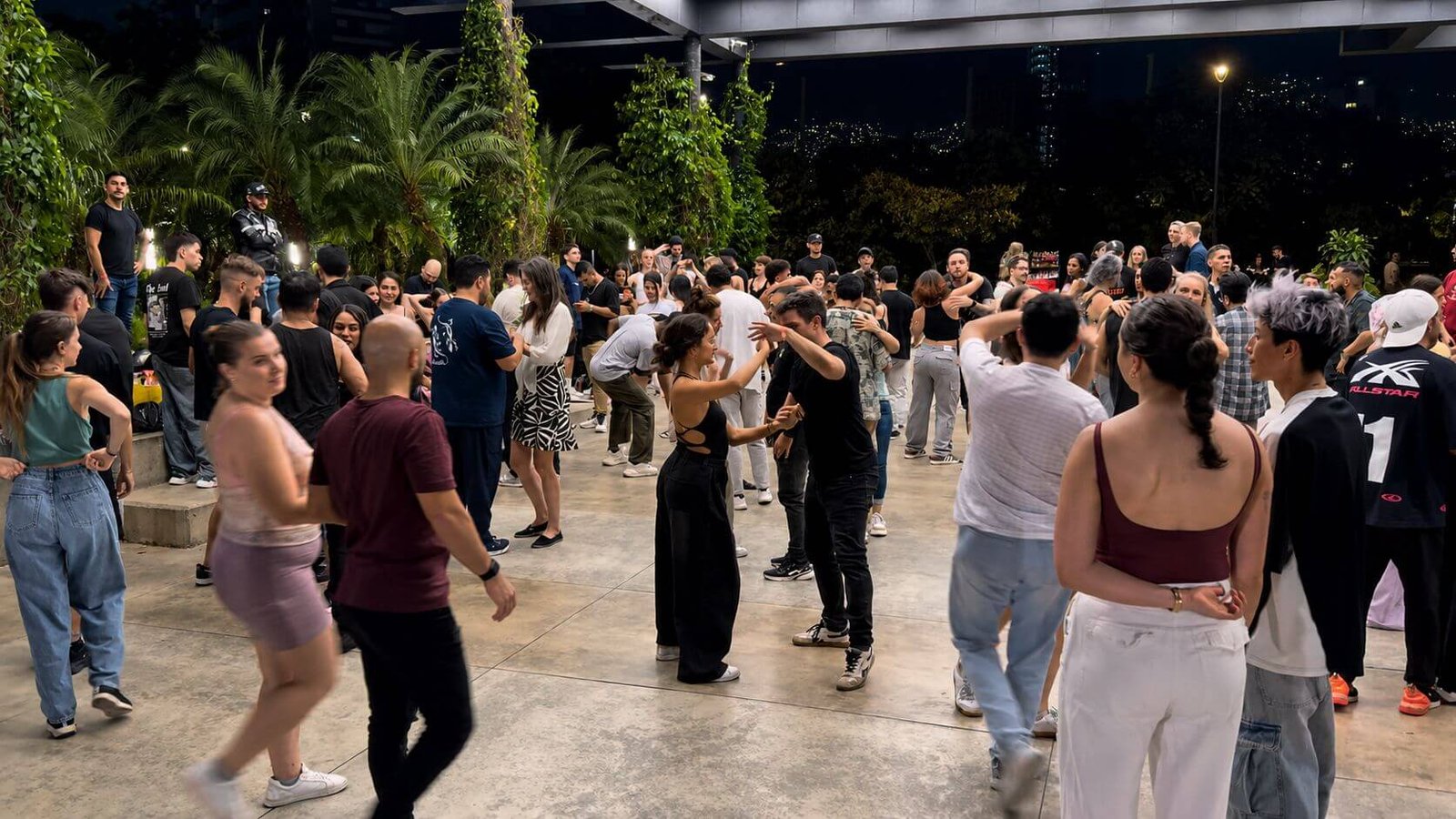
Where to Dance Bachata in Medellín: My Favorite Socials & Dance Nights
A lived-in guide to where to dance bachata in Medellín, including my favorite socials, weekly dance nights, beginner-friendly spots, and tips for joining the scene solo.
-

Where to Stay in Medellín, Colombia: Best Areas & Hotels for Every Budget
A neighborhood-first guide to where to stay in Medellín Colombia including hotels, hostels, and apartment-style stay recommendations.
-
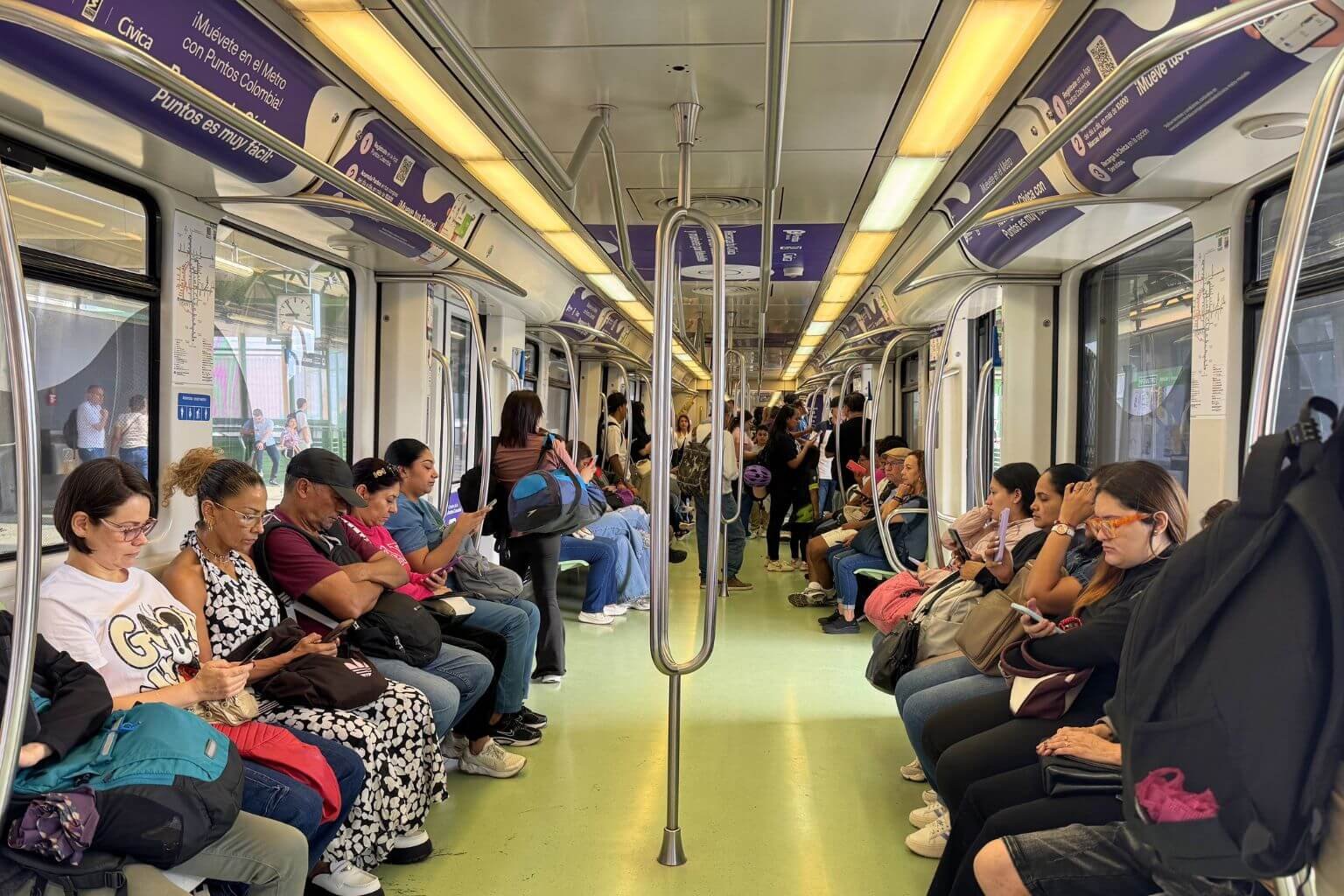
Getting Around Medellín: Uber, Metro & What Actually Works
Medellín’s transportation system is more nuanced than it first appears. After living in the city, I found myself using a mix of Uber, Metro, buses, moto, and walking depending on…
-
Medellín: Things to Do Beyond The Tourist Trail
Staying longer in Medellín? These are the non-touristy things I’d recommend — from menú del día spots and Comuna 4 to Bachata al Parque and slower versions of popular experiences.