COLOMBIA
Medellín Beyond the Tourist Trail: What to Do If You’re Staying Longer
•
SHARE:
This post contains affiliate links. If you book through them, I earn a commission at no cost to you. Learn more
Medellín makes a strong first impression. The highlights are easy to plug into, well-known, and worth doing. Especially if it’s your first time in the city.
But if you’re staying longer, what you look for starts to change.
You’re not trying to fit everything into a few days anymore. You start looking for the version of Medellín that feels more lived-in: the places you go back to, the routines you fall into, and the slower versions of experiences most people rush through.
This guide is for that version of the city.
If this is your first trip, start with my guide to the best things to do in Medellín for first-time visitors. If you’re looking for cool things to do in Medellin Colombia beyond the usual highlights, this is the slower version of the city I’d recommend.
How Medellín changes when you stay longer
The first version of Medellín most people see is the packaged one. Comuna 13, Provenza, a day trip to Guatapé — they’re all worth doing, and they’re all in my first-timer guide for a reason. But that version of the city is curated for a short stay. It’s real, just not complete.
The longer you stay, the more the everyday things become the good parts. The set lunch at the family restaurant you find two blocks from your apartment becomes routine. The Monday dance night you start going for community. The hike you do because locals do it, not because it’s on a list. That version of Medellín takes a little longer to find, but it’s the one worth looking for.
This isn’t a typical list of things to do in Medellin, it’s what the city looks like when you have time to stay longer.
1. Get a menú del día at a family-run restaurant
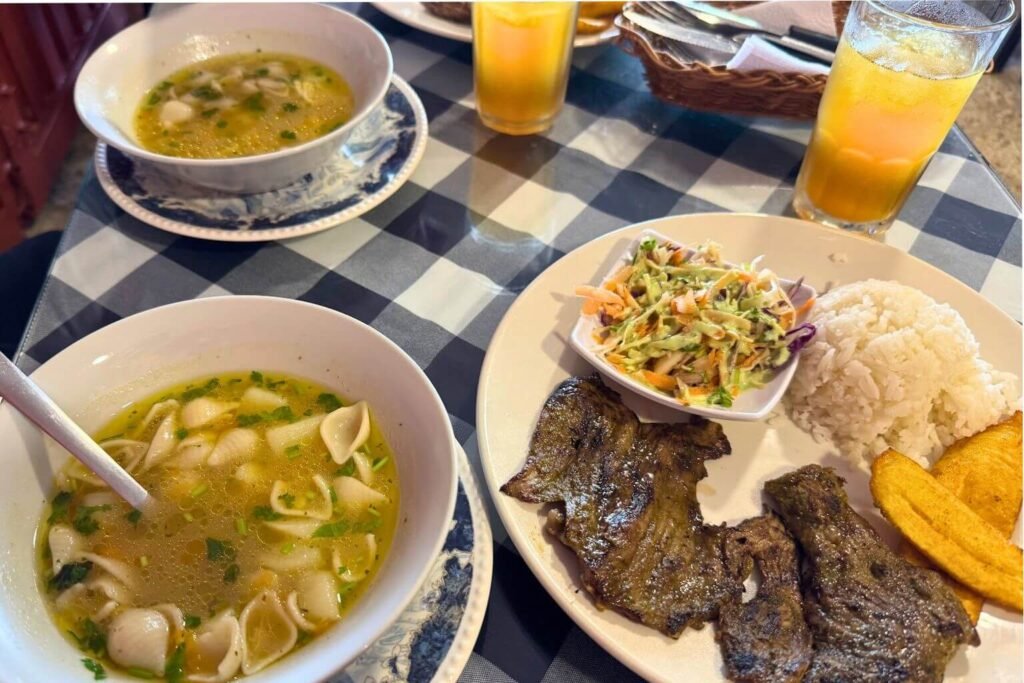
If you’re staying longer in Medellín, one of the best shifts you can make is moving away from the one-off “must-try” meals and into the everyday ones.
Outside of Poblado, for example in Laureles and Belén, there are small family-run restaurants that serve a set lunch daily. One room, no frills, no English menu. What you get is a full traditional Colombian meal: soup, protein, rice, salad, plantain, and a drink. The drink is usually fresh juice, lemonade, or guandolo — a traditional Colombian drink made from panela and lime. The whole thing runs between 18,000 and 22,000 COP (around $5.00-$6.00) and needs to be eaten before 3pm, when they typically stop serving.
It’s one of the most grounding things about staying longer somewhere — finding the place you go back to because the food is good and nobody’s performing anything for you. Bring cash. The smaller spots often don’t take cards.
2. Visit Comuna 4
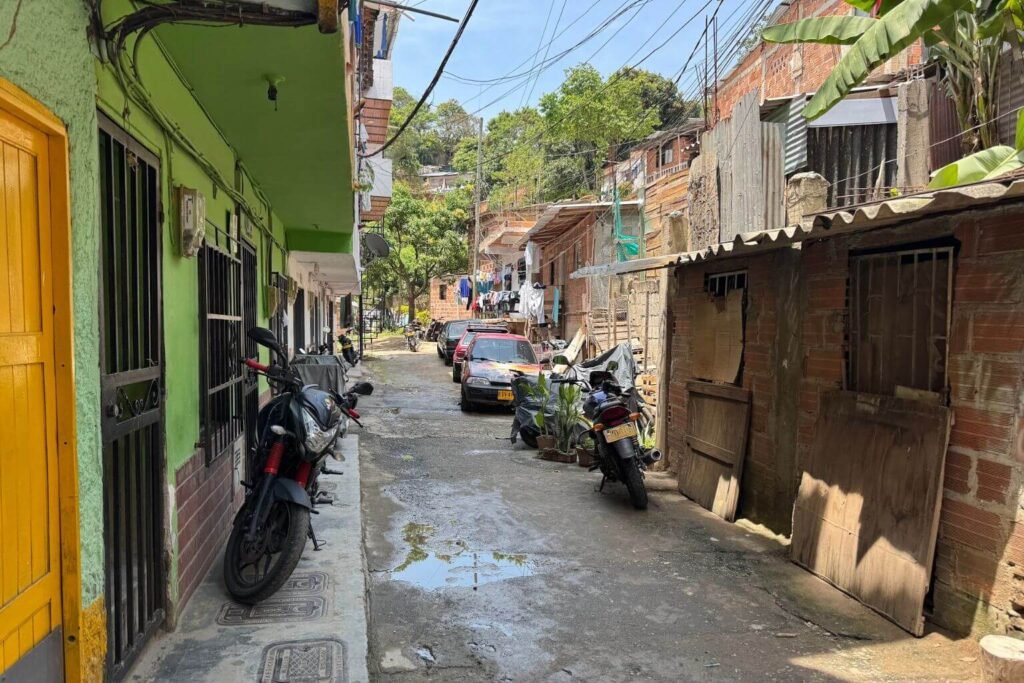
Most people who do a neighborhood tour go to Comuna 13, and that’s a reasonable choice for a first trip. But if you want a harder, more honest look at how communities in Medellín have actually lived — through poverty, displacement, and change that’s still ongoing — take the Real City Tours tour of Comuna 4 instead.
The tour pairs a local guide with a community leader from the neighborhood. You walk through Moravia, past el Morro, a literal garbage dump that was slowly converted into housing, then a garden, then back into housing during COVID when poverty worsened and people had nowhere else to go. A community leader who lived through all of it tells you her story directly: displacement, no food, learning to recycle to survive, watching the neighborhood transform around her.
The paths go from cobblestone to mud as you climb. The homes change. Medellín has prevalent gang activity and the guide will explain what that actually means for daily life here, which is more nuanced than it sounds from the outside.
Come with respect. These are people’s homes and daily lives. Say hello, buenas, and listen more than you photograph.
Go beyond the usual neighborhood tour
If you want a neighborhood tour with more context and local voices, this is the one I’d choose.
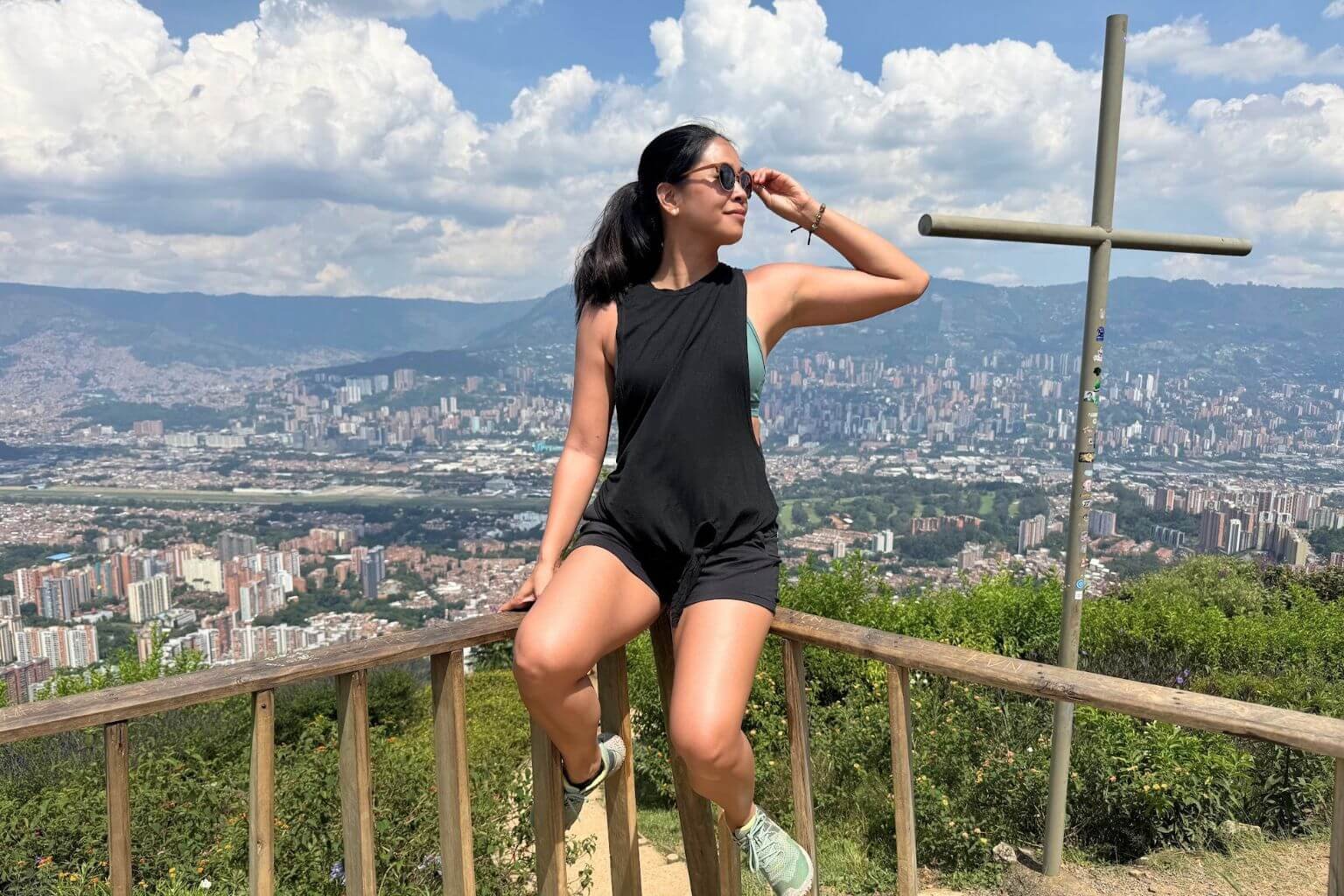
3. Hike Cerro de las Tres Cruces
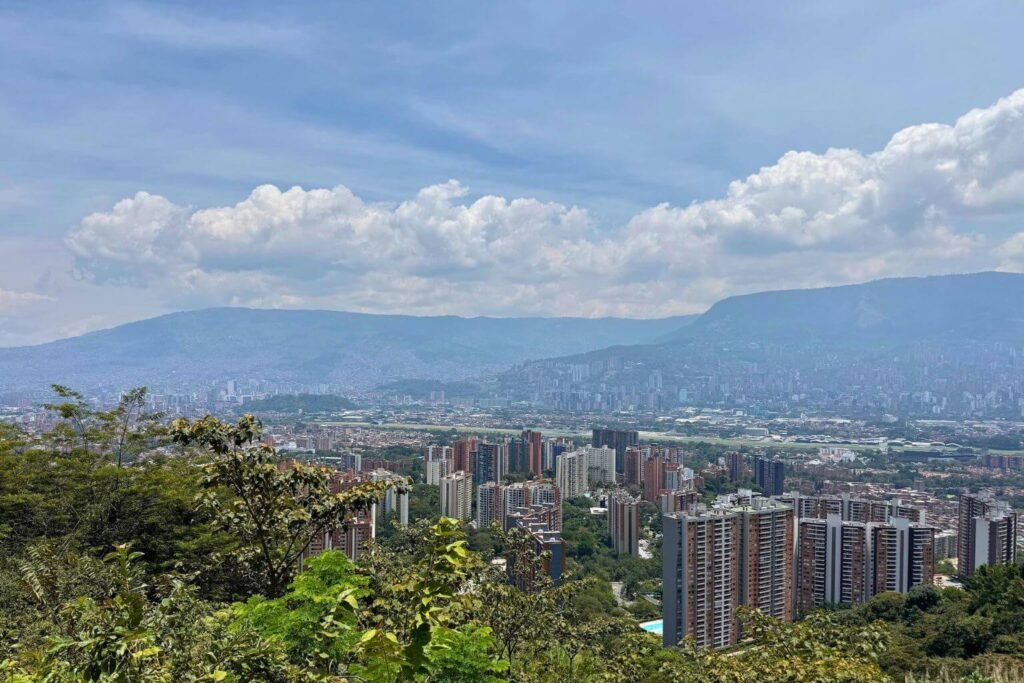
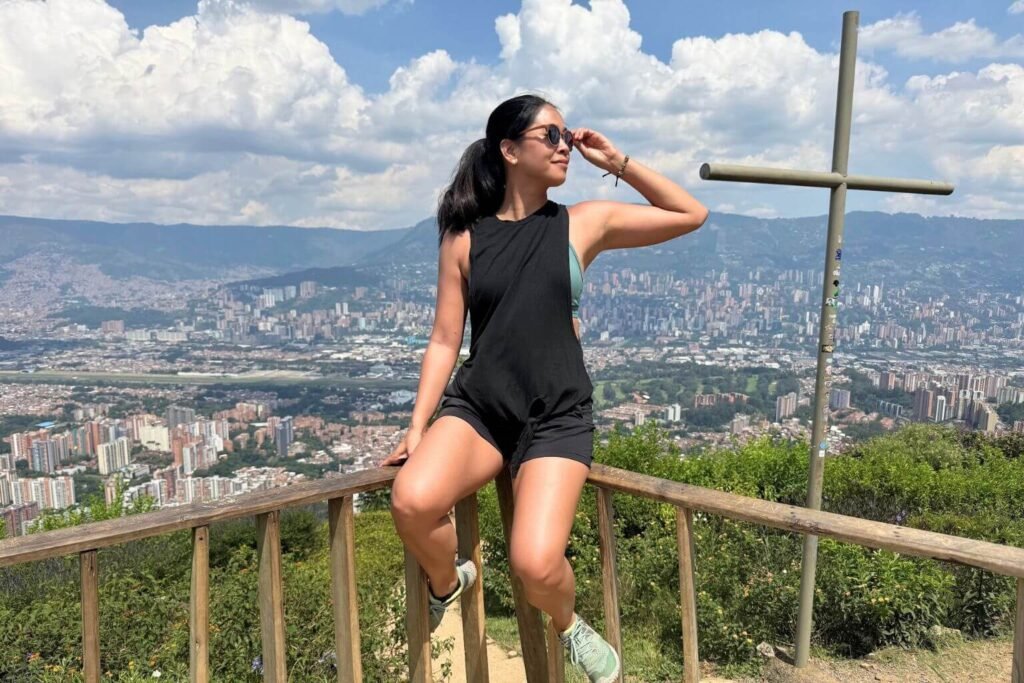
If you want panoramic views of the city without paying for the cable car, Cerro de las Tres Cruces is the hike locals actually do.
The climb is steep, genuinely steep, but there are food stalls and juice stands partway up and more at the top, so you can take breaks without suffering through the trek. On the mountain, there are two calisthenics gyms (one midway, one at the top if you want to keep going), an open area to hang out, and the three crosses with views that go in every direction. It’s the kind of place where you’ll find families, runners, and people doing full workouts at altitude on a Saturday morning.
It takes more effort than a scenic cable-car outing, but it feels much more local once you’re up there. Completely free and absolutely worth it.
4. Get out of Poblado and Explore Envigado
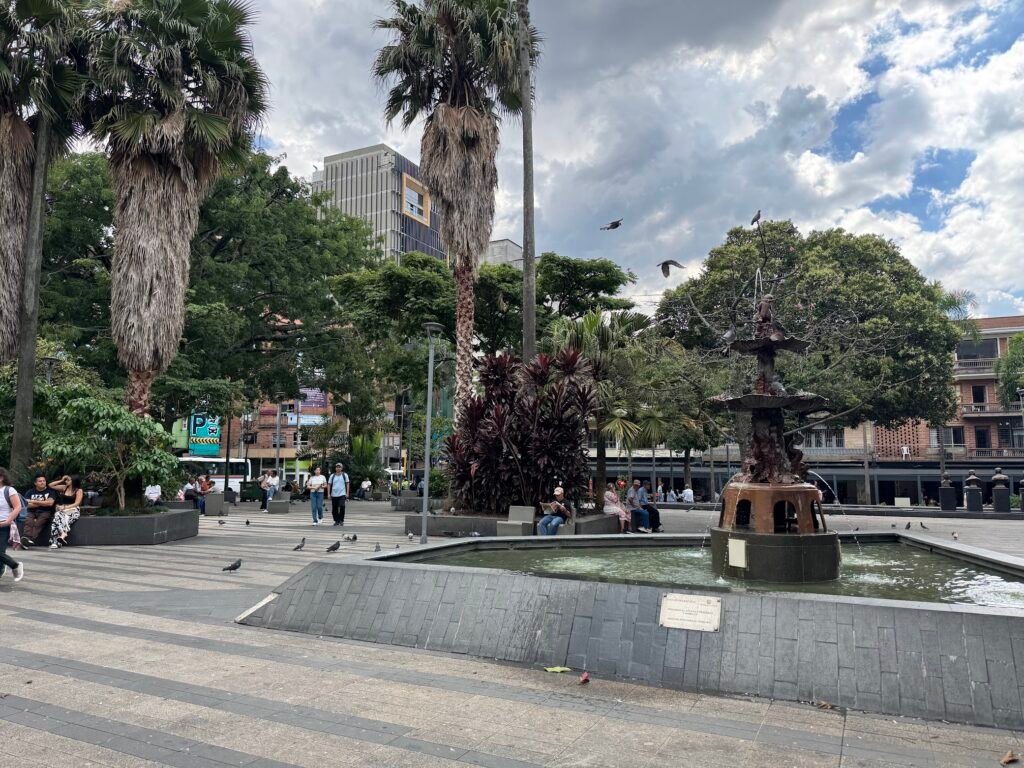
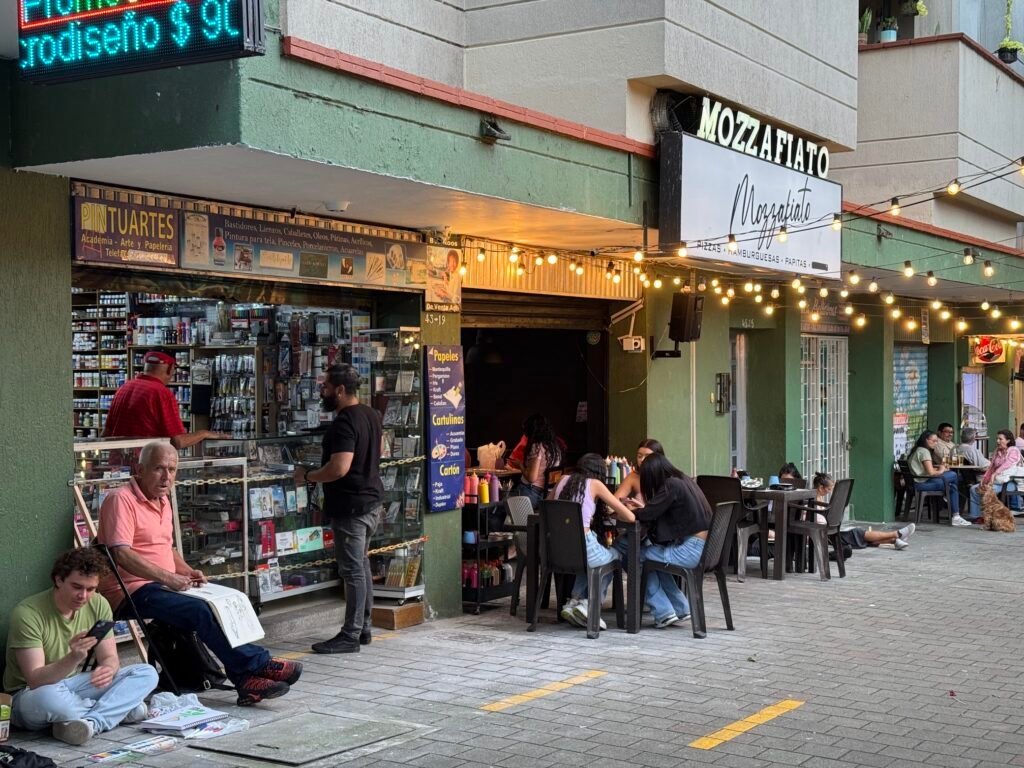
If Poblado is the version of Medellín most visitors experience, Envigado is what the city starts to feel like once you step outside the expat bubble.
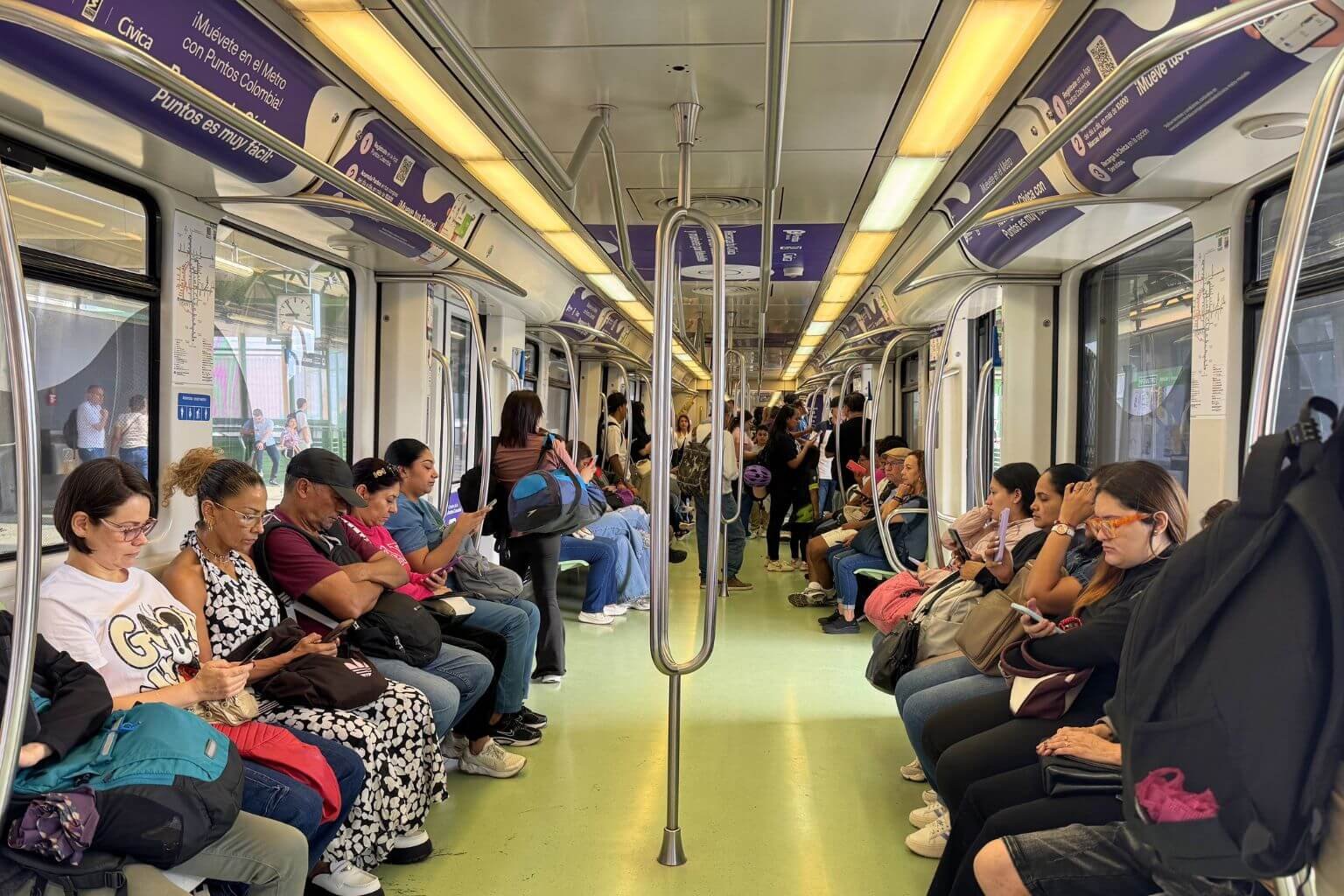
Envigado is technically its own municipality, not part of Medellín proper, but it’s easy to get to by metro and worth a half day if you want a more local feel. It has more of a Colombian neighborhood rhythm than a traveler one. Quieter somehow, even when it’s busy. Less English, fewer people passing through, more people just living their lives.
Start at Parque Principal, the main square with a giant church where people hang out at all hours, then wander over to Calle de la Buena for food. It’s a pedestrian-friendly food street with lots of restaurants and benches under the trees for you to enjoy the day.
It’s not a highlight in the traditional sense. There’s no big attraction or dramatic reveal. It’s just what the city feels like when it’s not being packaged for visitors. After a little time in Medellín, that starts to become the point.
If you’re trying to figure out which part of Medellín fits your style best, I break that down in my guide to the best neighborhoods in Medellín.
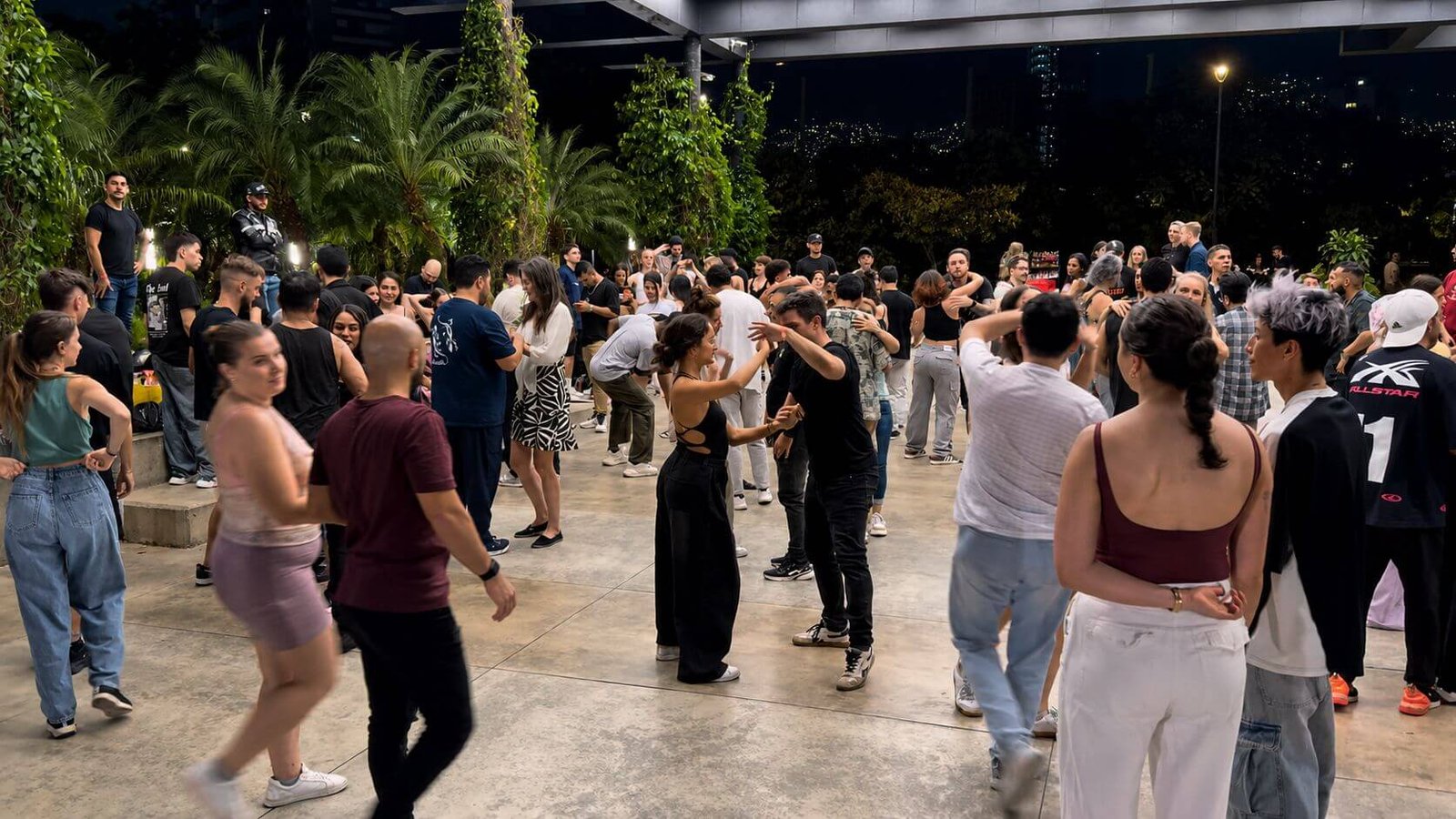
5. Go to Bachata al Parque on Monday
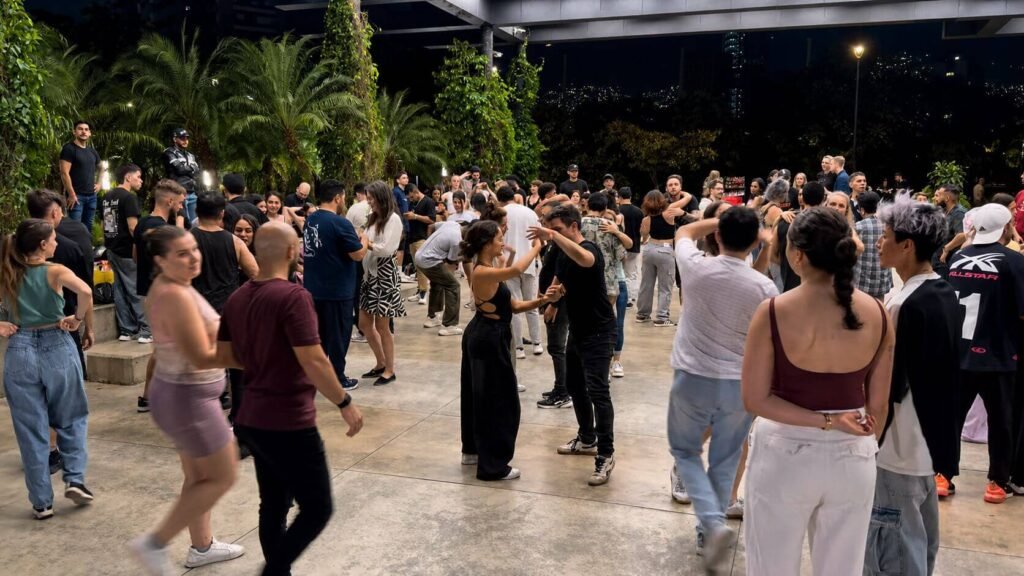
Most people come to Colombia thinking salsa, and salsa is everywhere. But Medellín has a serious bachata scene that most visitors miss entirely, and it’s one of the things I looked forward to most when I was living there.
Bachata al Parque happens every Monday, hosted by a local school. There’s a beginner class, an intermediate class, and then a free social after. Skip the class if you want. The social is free and open to everyone. You’ll meet expats, locals, and dancers at every level. The skill here is genuinely high.
A day trip gives you Medellín’s highlights. A longer stay gives you Monday nights. Even if you’re not deep into bachata, this is the kind of recurring city rhythm you only really get to enjoy when you’re around long enough to fall into it.
If you want to explore more of the city’s dance scene, I also put together a guide to the best places to dance bachata in Medellín — including socials and weekly events.
6. Stay overnight in Guatapé instead of rushing it
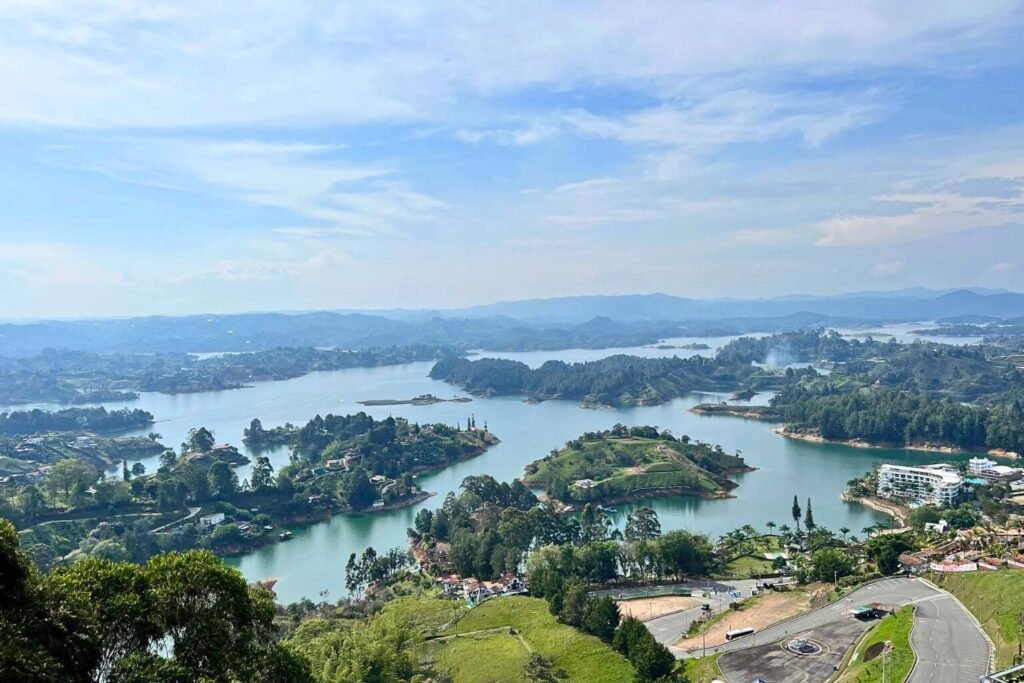
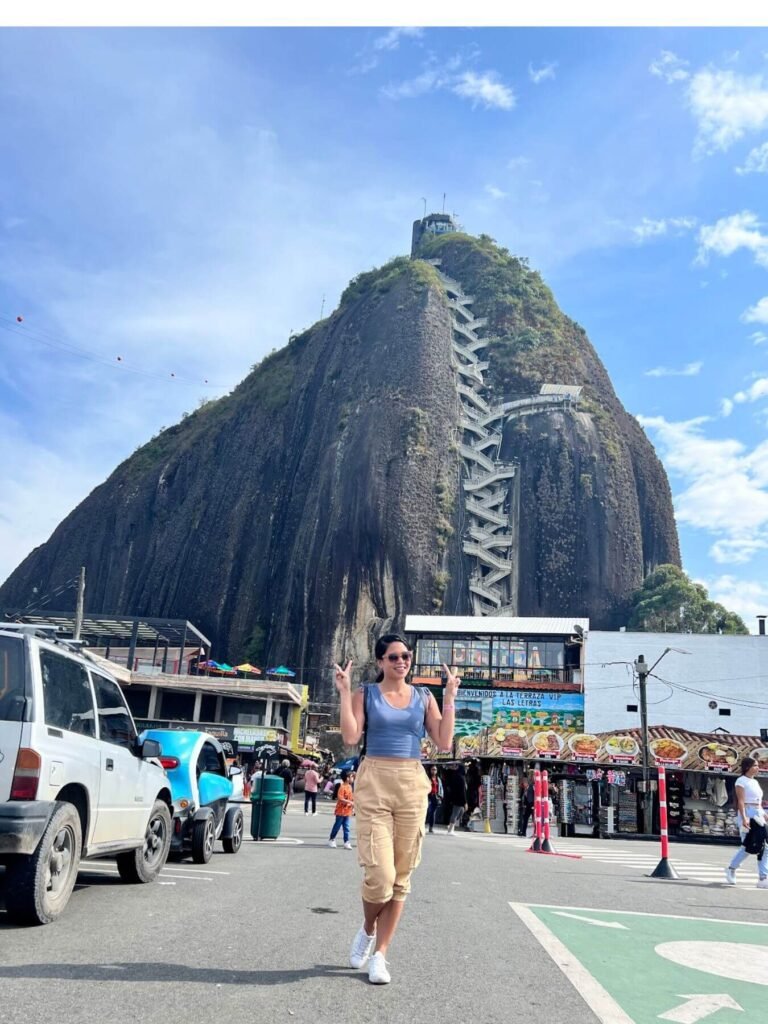
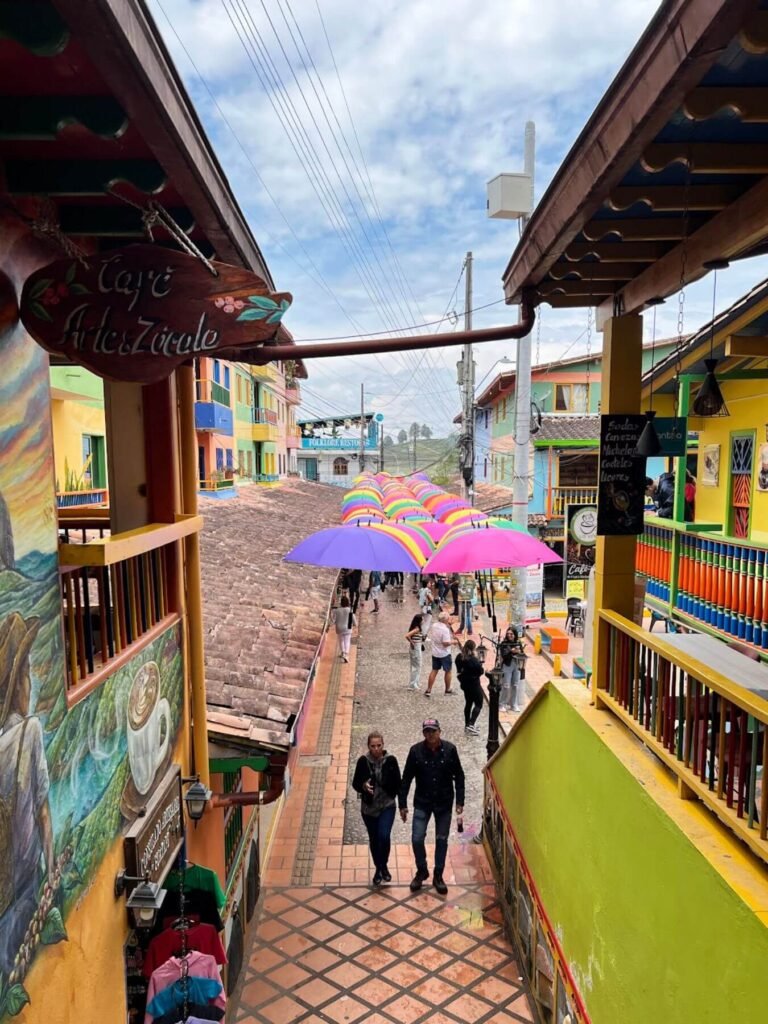
Guatapé is a colorful lakeside town about two hours from Medellín, best known for Piedra del Peñol, this massive rock you can climb for panoramic views over the surrounding lakes.
Most people do Guatapé as a packed day trip from Medellín, and it’s worth doing. But if you have more time, slowing it down changes everything.
Book a night or two and get to Piedra del Peñol early, before the tour buses arrive, and you have the rock almost to yourself. You also get to enjoy it without the intense midday heat.
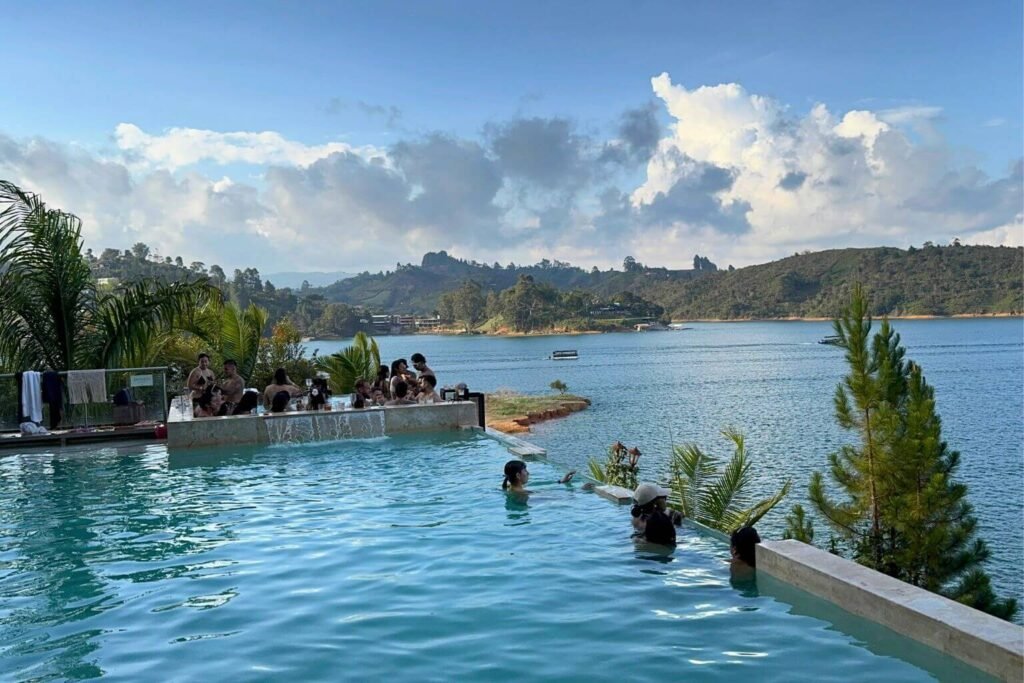
The rest of the time, you’re not trying to squeeze everything into a tight schedule. There are a number of hotels along the water with pools, hot tubs, and views of the lake. I personally enjoyed my time at Vivanti.
The day trip is exciting and fast paced. The overnight is actually relaxing.
Make Guatapé an overnight
Turn the day trip into a slower lake escape.
7. Do an exotic fruit tour at Plaza Mayorista
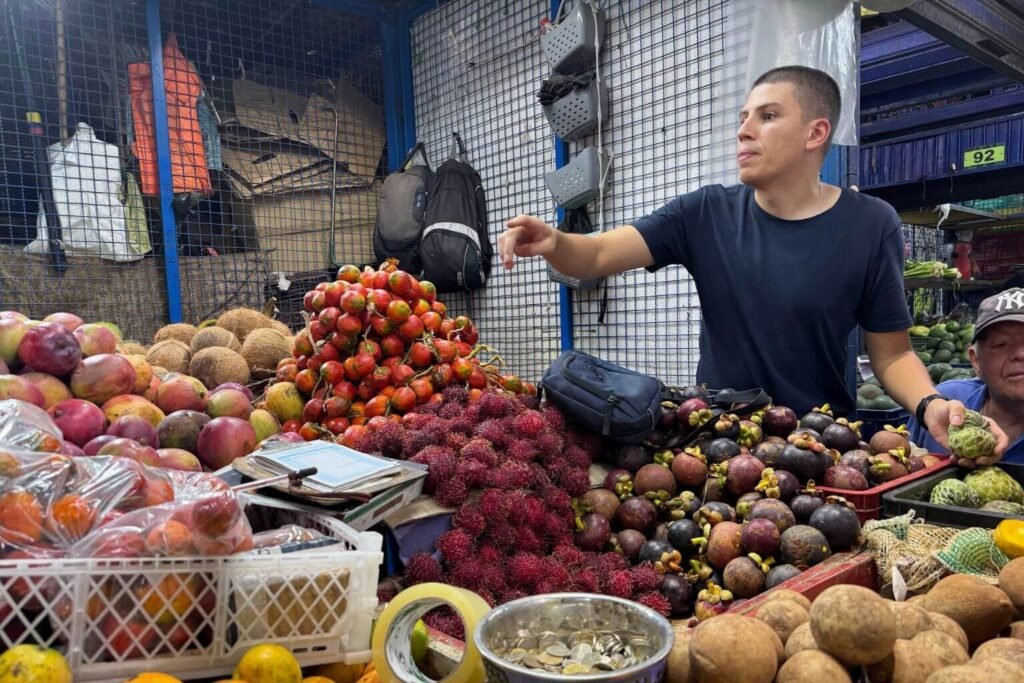
If you want a food experience that feels more grounded than polished, do an exotic fruit tour at Plaza Mayorista.
Plaza Mayorista is a wholesale market in Itagüí, just outside Medellín. Guides walk you through the history of Colombian produce while introducing you to fruits that don’t have easy English translations like granadilla, lulo, and avocados the size of your head. At the same time, you’re seeing a side of the city most visitors never do: how locals actually buy and sell food in daily life.
This is one of those experiences that feels small at first and then ends up sticking with you. It’s colorful, messy, and unexpectedly fun. Bring hand sanitizer or a napkin. Some of these fruits are aggressively juicy and you will be handed them without warning.
Come hungry. Bring napkins.
This is one of the easiest ways to experience Medellín’s food culture beyond restaurants.j
8. Go to Jardín for a few days
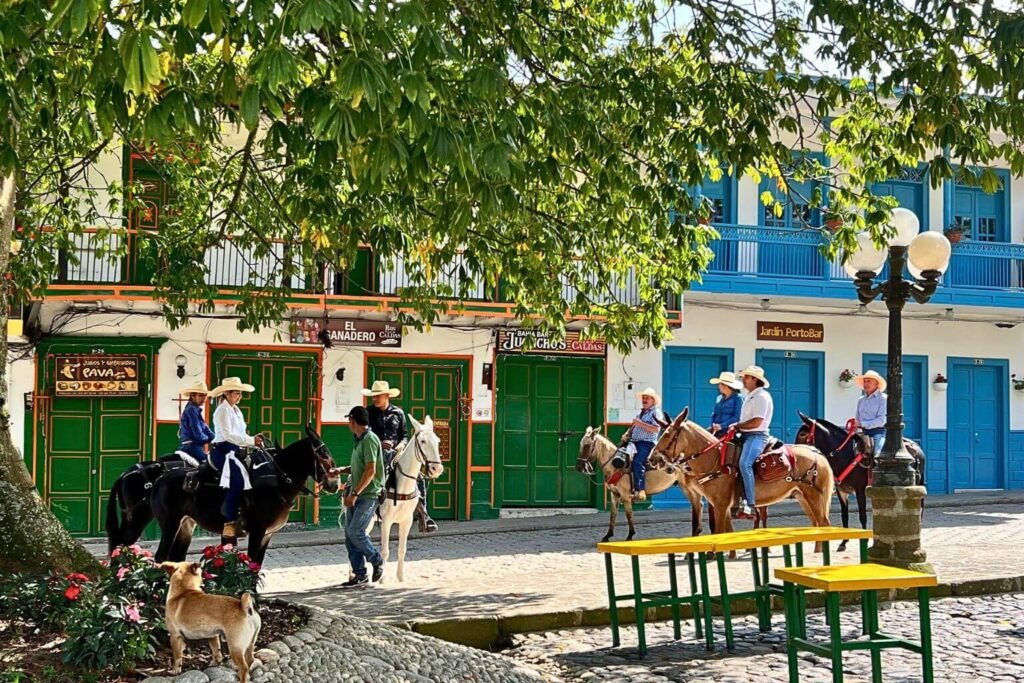
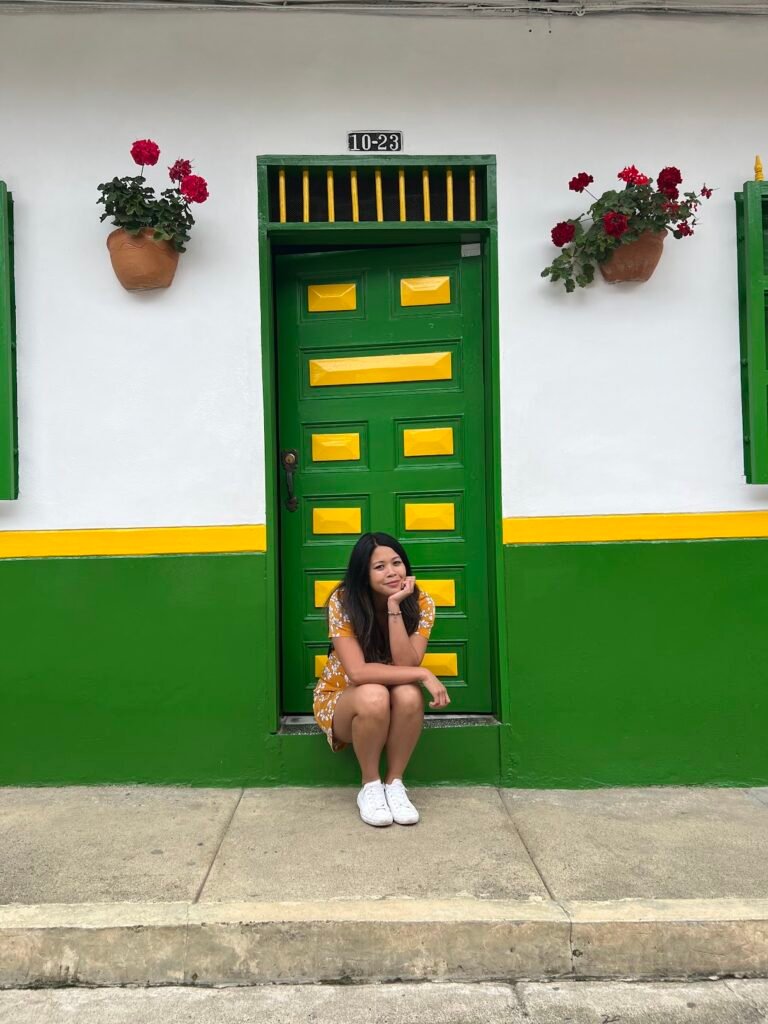
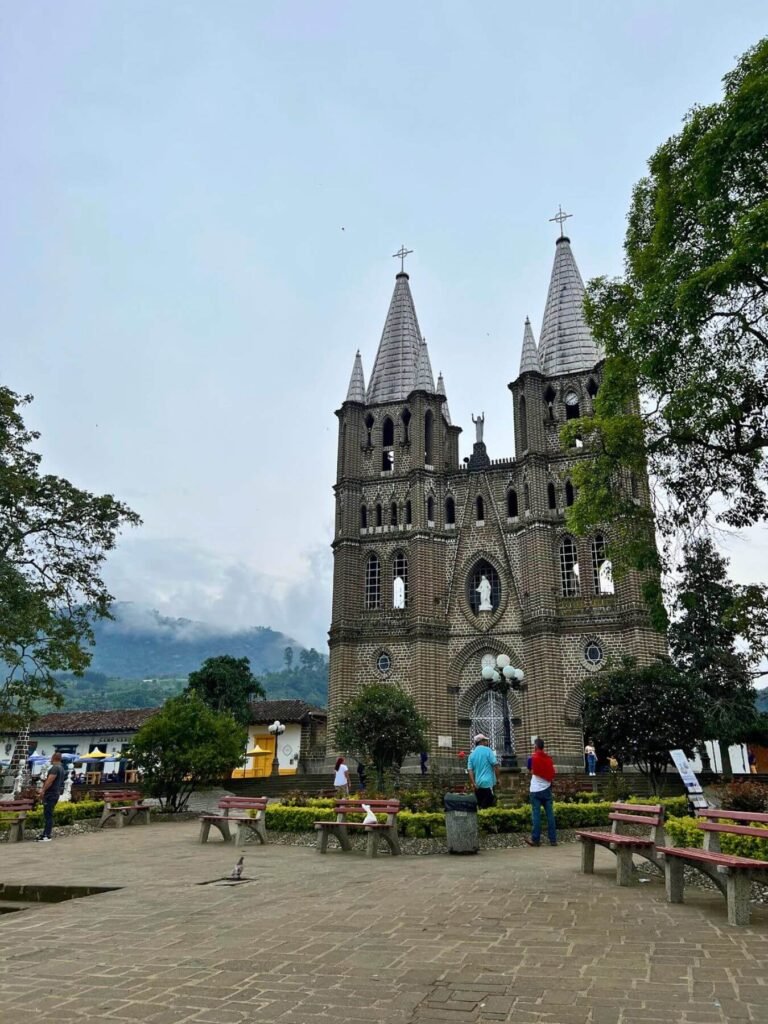
If Medellín’s Pueblito Paisa gives you the replica of a traditional Colombian town, Jardín gives you the real thing.
Filled with colonial architecture about three hours from Medellín by bus, its one of the few places I visited that felt unhurried. Less tourist traffic, horses in the streets, brightly colored houses that look like that because they always have. Life moves slower there in a way that doesn’t feel performed.
Wander the main square and visit Colombian artisanal shops, then hang out and meet the local dogs. Just outside of Jardín you can get into nature and hike to the see the 7 waterfalls.
Stay two nights minimum here. It’s worth the bus ride.
Turn Jardín into a slow weekend
Jardín works best when you give yourself time to settle in, not just pass through.
9. Get into rawer nature at Parque El Salado
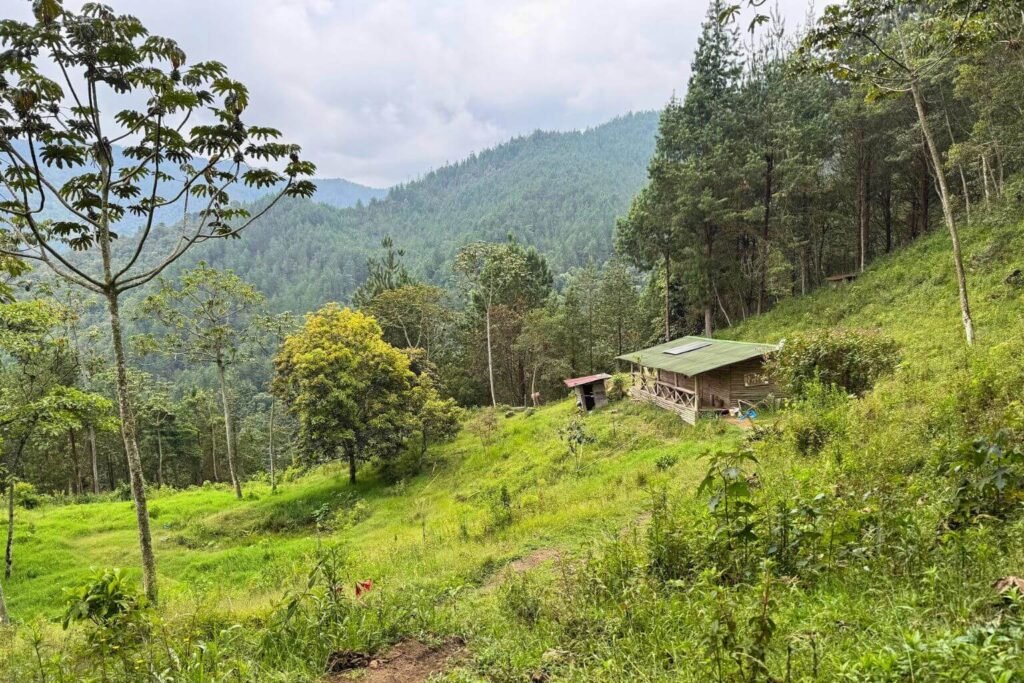
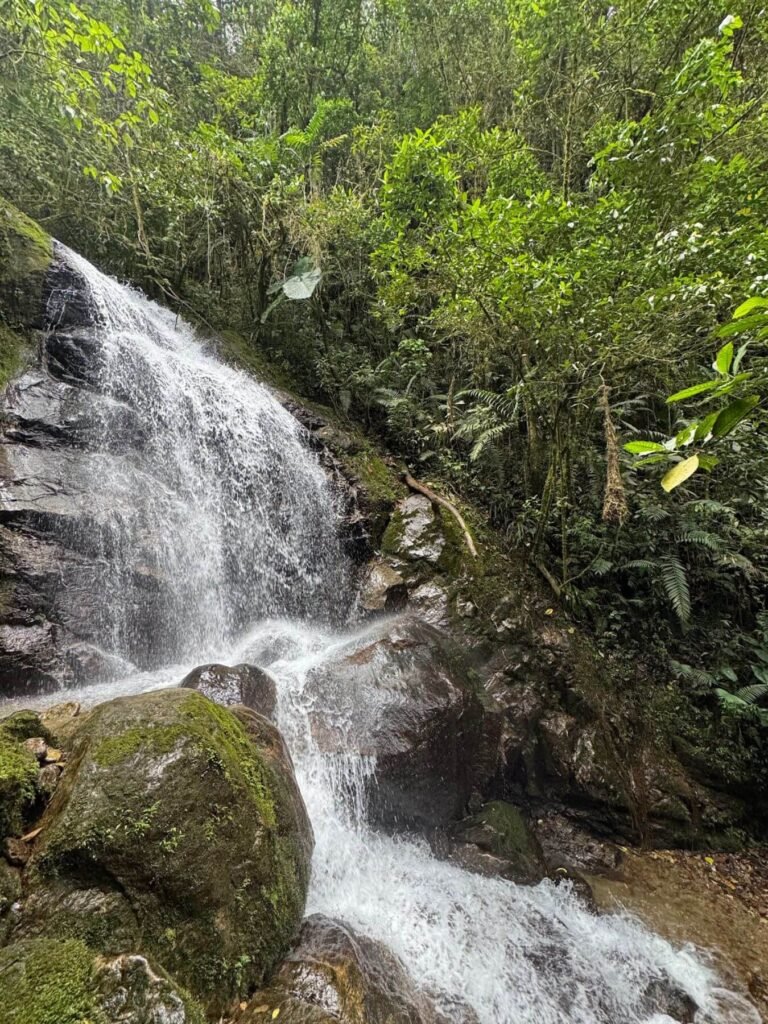
If Jardín Botánico is the easy, manicured version of nature in Medellín, Parque El Salado is what you do when you want something a little less polished.
It’s an ecological park in Envigado, just outside the city. You can get there by taking the metro to Envigado station and then a local bus up into the hills. Once you’re there, it’s a mix of trails, small waterfalls, and a cave you can explore. Locals come here to hike, hang out, and swim in the pools when conditions are right.
It’s not curated in the same way as the more central spots. It’s a little messier, a little more effort to reach, and that’s part of the appeal. If you’re staying longer, this is the kind of place you go because you want to spend a full day outside, not just check off a viewpoint.
Download the AllTrails maps before you go. Signal can be unreliable up there.
10. Choose a history experience that centers the victims
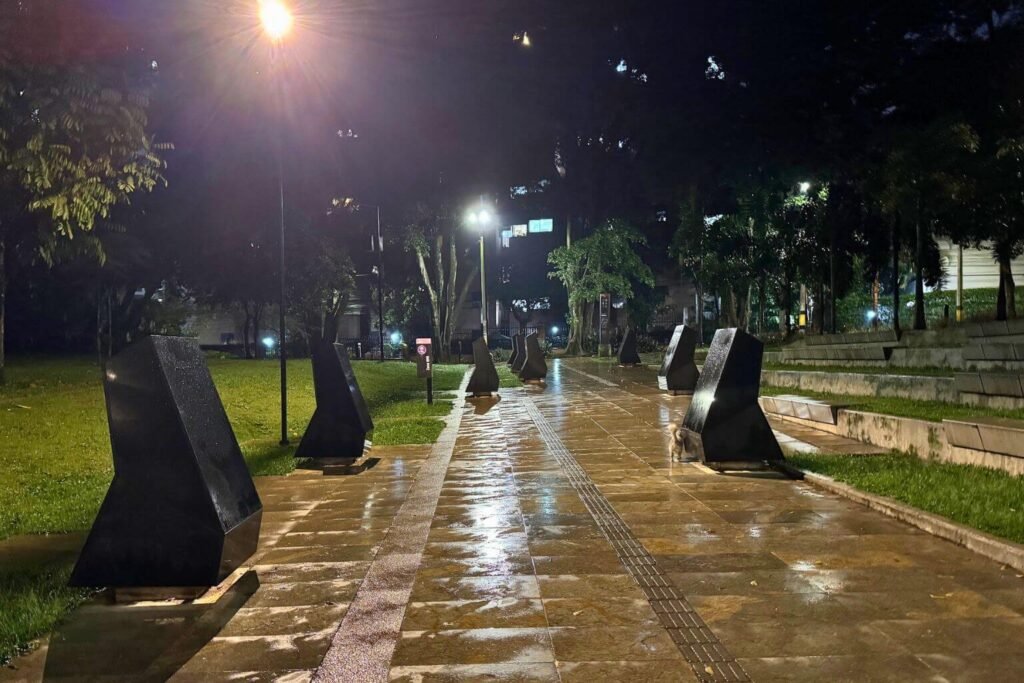
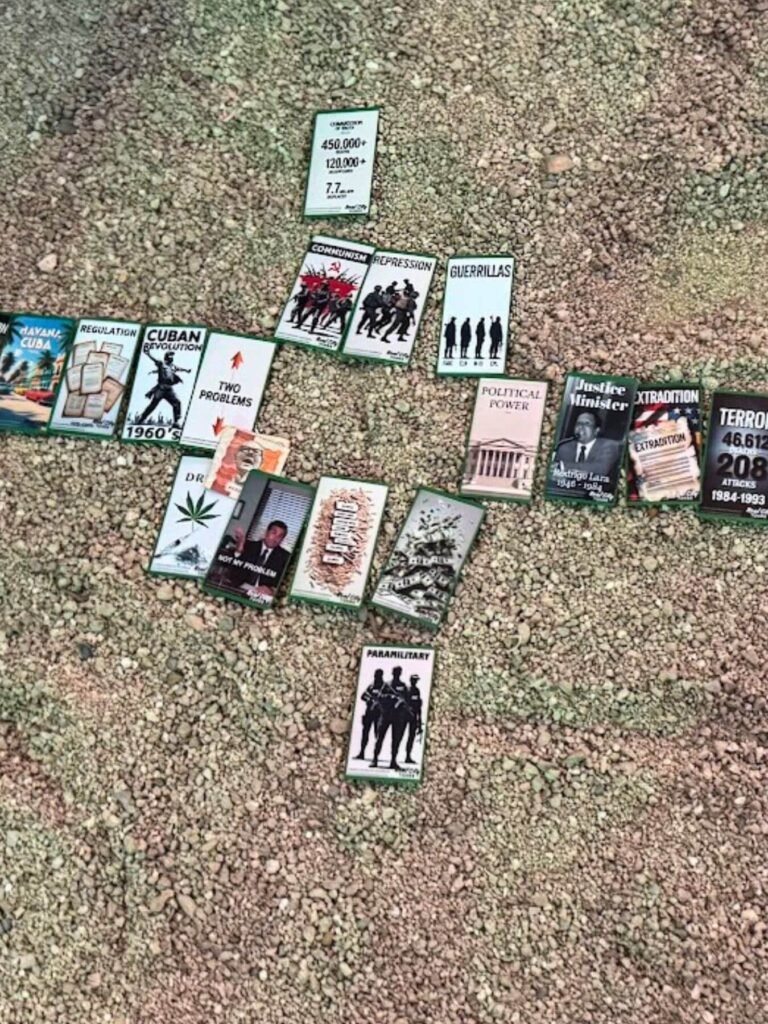
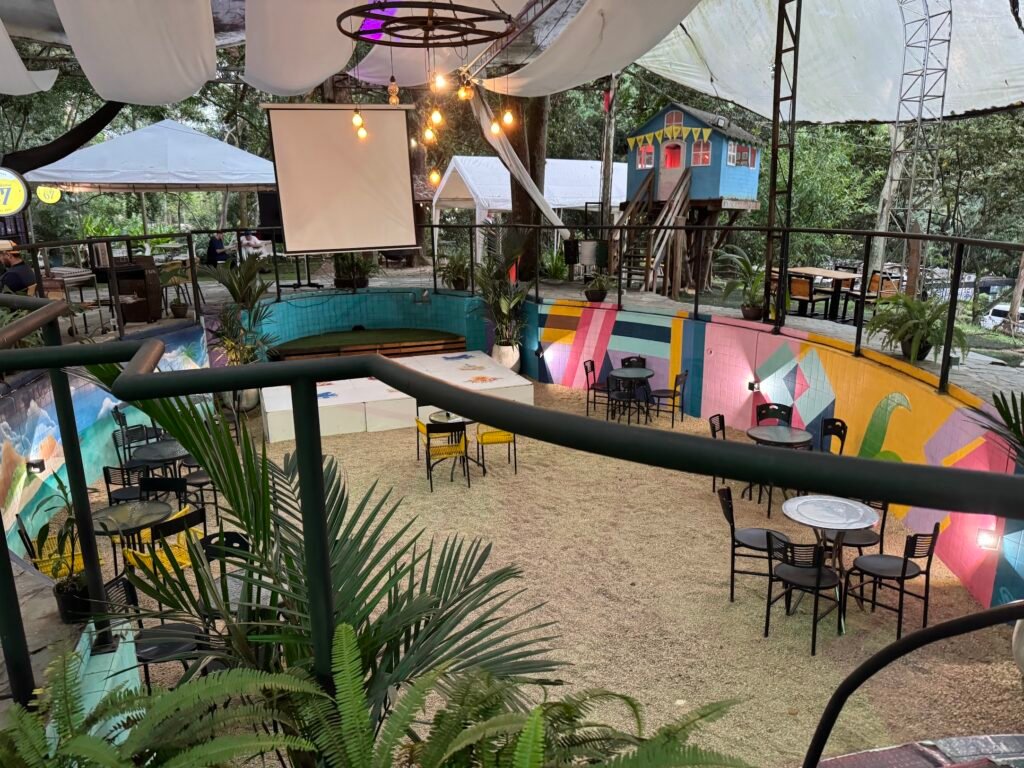
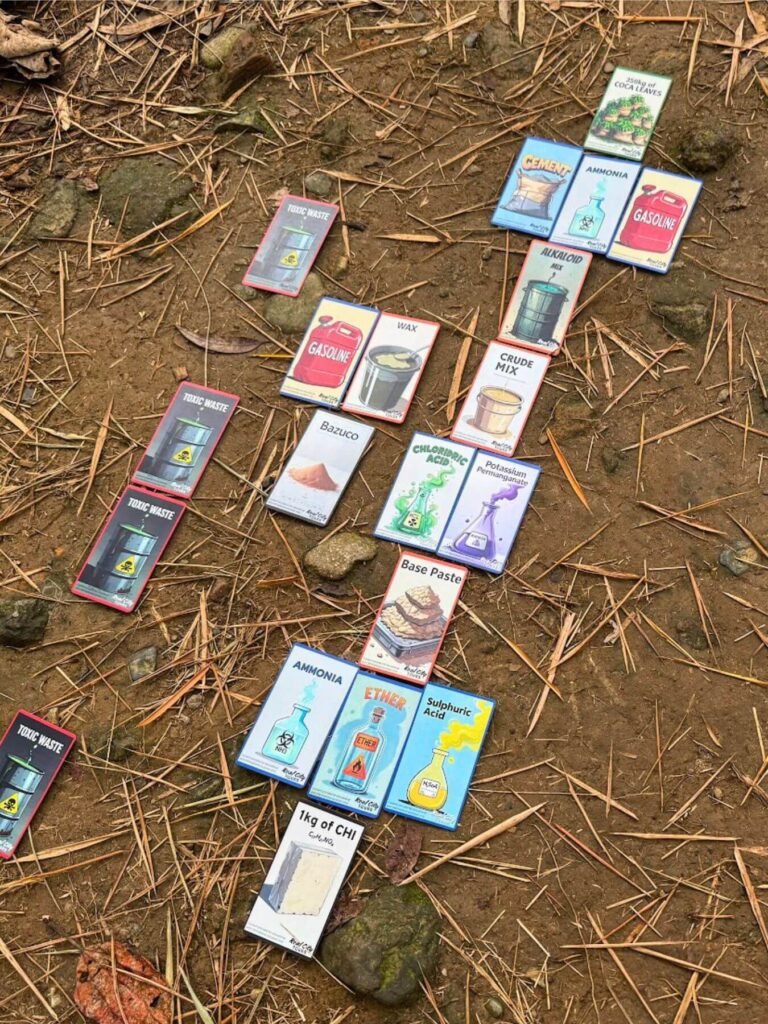
A lot of people arrive in the city with a certain Netflix version already in their head. If you want to go beyond that, the “More Than Escobar” tour by Real City Tours is one of the better places to start. It covers the history of coca as indigenous food and medicine, the economics of the drug trade in Colombia, and the human cost that the glamorized version of Medellín’s narco history leaves out.
It reframes a lot of what you think you already understand about the city. And if you’re staying longer, that deeper context matters even more. You don’t need more Escobar stories. You need a better understanding of what people here actually lived through.
If you’re going to spend real time in Medellín, this is the kind of context worth making space for.
Choose the more responsible history tour
This is the tour I’d take if you want context without glorifying the city’s narco past.
Final thoughts on experiencing Medellín
If your first trip to Medellín is about seeing the highlights, a longer stay is about something else entirely.
It’s less about checking things off and more about falling into a rhythm. Finding a lunch spot you go back to, ending up at the same park on a Monday night, or choosing the slower version of a place instead of the rushed one.
That’s when the city starts to feel different. Less polished, less packaged, and honestly more interesting.
This version of Medellín is best for slower travelers, repeat visitors, and anyone who has more than a few days to explore. If that’s you, and you’re figuring out things to do in Medellin for a longer stay, this is where I’d start.
Planning a trip to Medellín?
🏨 Find the best Hotels in Medellín
📖 Read my full guide to Living in Medellín
👮🏻♀️ Learn about Safety in Medellín
🏡 Find the Best Neighborhoods in Medellín
🩺 Get covered abroad: SafetyWing Nomad Insurance
📶 Set up data before you land: Airalo

I’m Marie, a slowmad and adventurer who left settled life in the U.S. to explore the world more deeply.
I’ve spent about four and a half months in Colombia across two extended stays, mostly based in Medellín while exploring more of the country. I share the experiences that stood out, the adventures worth making time for, and the practical and cultural insights I picked up along the way.
MORE MEDELLÍN
-

Where to Dance Bachata in Medellín: My Favorite Socials & Dance Nights
A lived-in guide to where to dance bachata in Medellín, including my favorite socials, weekly dance nights, beginner-friendly spots, and tips for joining the scene solo.
-

Where to Stay in Medellín, Colombia: Best Areas & Hotels for Every Budget
A neighborhood-first guide to where to stay in Medellín Colombia including hotels, hostels, and apartment-style stay recommendations.
-

Getting Around Medellín: Uber, Metro & What Actually Works
Medellín’s transportation system is more nuanced than it first appears. After living in the city, I found myself using a mix of Uber, Metro, buses, moto, and walking depending on…
-
Medellín: Things to Do Beyond The Tourist Trail
Staying longer in Medellín? These are the non-touristy things I’d recommend — from menú del día spots and Comuna 4 to Bachata al Parque and slower versions of popular experiences.