MOVING ABROAD
How I Find Apartments Abroad for a 1–6 Month Stay
•
SHARE:
This post contains affiliate links. If you book through them, I earn a commission at no cost to you. Learn more
When I move to a new country for a few months, one of the biggest questions is always the same: how do I find an apartment that actually feels good to live in? Not just a place that looks cute in photos… A place that supports real life abroad.
This post is for digital nomads, slowmads, or anyone planning a mid-term stay, usually around 1 to 6 months. Over time, I’ve realized that finding an apartment abroad has a lot less to do with finding the prettiest listing and a lot more to do with knowing how you want your life to feel once you get there.
When I’m searching, I usually evaluate apartments in four layers:
- the kind of neighborhood you want to live in
- the exact location and how easy it is to get around
- whether the apartment actually works for day-to-day life
That framework helps me avoid getting distracted by pretty listings that would make real life harder. If you’re still figuring out the bigger logistics of moving abroad, I also wrote a full guide on how I set up my life to move abroad, which covers the practical side beyond just housing.
What I care about most when choosing a place abroad
- A neighborhood that fits the kind of life I want
- Easy ways to get around the city
- Grocery stores and essentials nearby
- Strong enough wifi to actually work from home
- Laundry access
- A place that feels livable, not just bookable
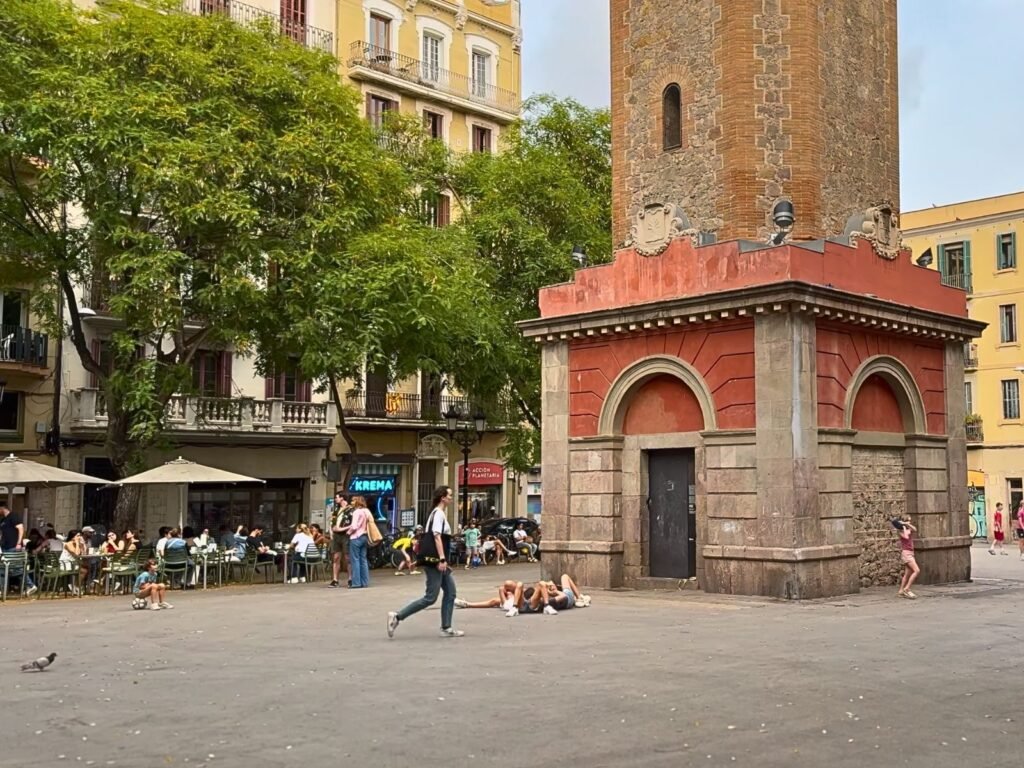
1. Start With the Kind of Life You Want to Live
Before getting too deep into listings, it helps to get clear on what kind of life you actually want in that city.That usually starts with the neighborhood.
You can find a beautiful apartment, but if it’s in the wrong area for your personality, routine, or priorities, it can wear on you fast. The right neighborhood can make settling into a new country feel much easier. The wrong one can make daily life feel more draining than it needs to.
Social or nightlife neighborhoods
If you want energy, easy access to restaurants and bars, and more built-in social life, these areas can be a great fit.
The upside is convenience and activity, especially when you’re new to a city. The downside is usually more noise, higher rent, and less separation between home and the busiest parts of city life.
Quiet residential neighborhoods
If you prefer something calmer and more local-feeling, a residential neighborhood may be a better fit.
These areas often feel more sustainable for day-to-day life, especially if you’re staying somewhere for a while. The tradeoff is that they can feel a little sleepy at first, and you may need to be more intentional about meeting people.
Artsy or bohemian neighborhoods
If you care about atmosphere, personality, and having places nearby that you actually enjoy spending time in, you may be drawn to a more artsy neighborhood.
These areas often have cafes, galleries, boutique shops, and a stronger sense of identity. They can be really enjoyable to live in, but they’re often pricier and sometimes a little grittier than they first seem.
If you’re trying to build real life somewhere, choosing the right neighborhood matters more than people think. I go deeper into how I choose the right neighborhood abroad in a separate post, but that’s the short version of how I think about it.
2. Think About Ease Versus Immersion
Another thing I think about is whether I want to be in a more expat-friendly area or in a neighborhood that feels more local.
If you’re arriving somewhere totally new, an expat-heavy area can make the transition easier. It may be easier to communicate, meet people, and get basic things done. The tradeoff is that these areas are often more expensive and can keep you a little more removed from the local rhythm of life.
A more local neighborhood can feel more immersive and connected to everyday life, but it may also come with a steeper learning curve. I’ve done both, and personally I usually prefer something more local, especially if it still has easy access to the rest of the city.
3. Where I Find Apartments Abroad
Once I know the kind of neighborhood I want, I start thinking about how I’m actually going to find the apartment.
For mid-term stays abroad, there are a few main routes I look at: Airbnb, Booking.com, platforms like Flatio or Spotahome, local agents in some cities, and sublets.
Airbnb and booking platforms
Airbnb is still one of the easiest ways to book a place abroad, especially if you’re arriving in a city for the first time and want more structure around the process.
It’s usually more expensive than renting locally, especially for a multi-month stay. But that higher price can come with real benefits. You can see photos, read reviews, compare listings quickly, and get a decent sense of what’s included before you book. There’s also some protection built into the platform if something goes wrong.
That matters more than people think. I had a frustrating apartment situation in Marrakesh, and even though dealing with support was stressful, I would still take that over being stuck in a bad apartment for two months with no backup plan.
I also always check the monthly discount. Sometimes the difference between 28 days and 31 days is more significant than you’d expect, so I compare different date combinations before booking.
Sublets
Subletting can be such a good option for slowmad life, especially if you want a place that feels more lived-in and less like a temporary rental.
Because you’re often staying in someone’s actual home, sublets usually come with the things that make day-to-day life easier: better kitchen supplies, real towels, cleaning supplies, maybe even spices. They also tend to be closer to a local rental rate than a global booking platform.
I’ve found Facebook groups to be one of the best places to look, though local websites and WhatsApp groups can be useful too, depending on the city.
The downside is that sublets come with more risk. There are definitely scammers out there, so I try to vet the person carefully. If I can, I do a video call, Google their name, and check whether they seem like a real person with a real online presence. I also always want a contract that clearly spells out what I’m paying for, what’s included, and what dates we’re agreeing to.
Local agents and city-specific platforms
In some cities, local agents or regional rental platforms are just part of the process. That can be helpful, especially if you’re staying longer or trying to find something that isn’t listed on international platforms.
But this is where local market knowledge matters. In places like Barcelona, for example, agents are common, but they may also charge extra fees on top of rent and deposit. I always factor that into the true cost before deciding whether that route makes sense.
4. I Vet the Exact Location Hard
Once I find the kind of neighborhood I want, I stop looking at the listing as a general vibe and start looking at the exact location.
This part matters a lot to me.
Even if the neighborhood is right, the wrong street can completely change the experience. A place can technically be in the area I want, but still feel too noisy, too isolated, too inconvenient, or just off in a way that affects day-to-day life.
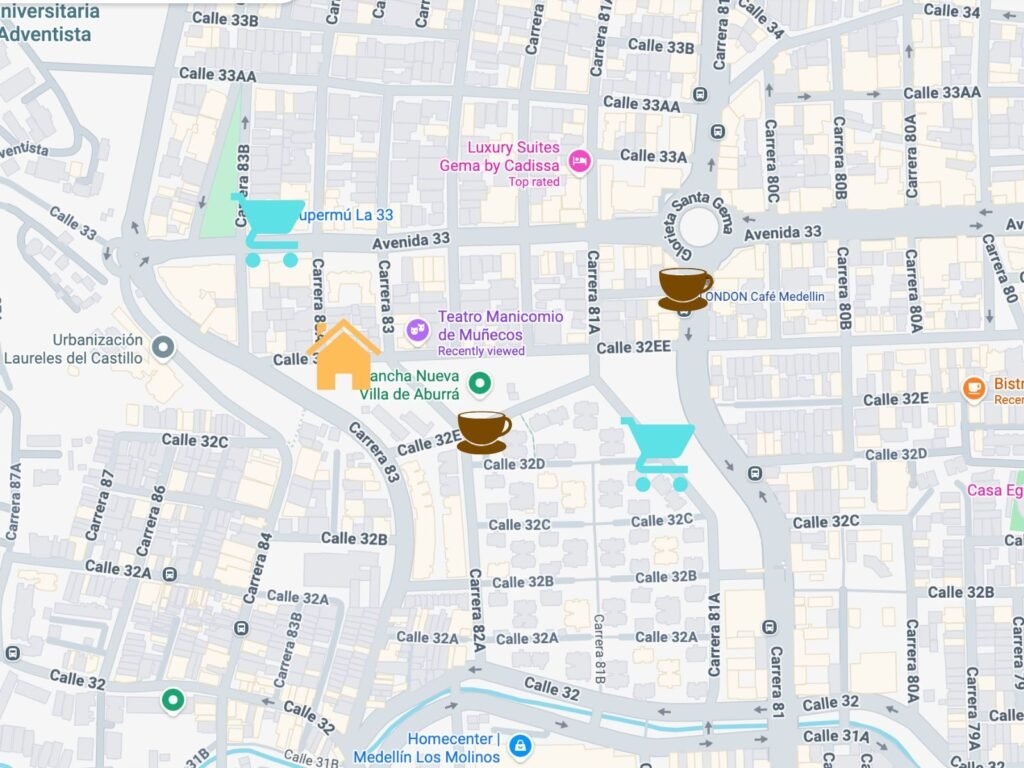
So I usually pin the apartment on Google Maps and start from there.
I want to know what street it’s on. Is it a busy road with a lot of traffic noise? Is it near an area that feels sketchier at night? In some cities, safety really does change block by block. Rio is one of the clearest examples of that. Where the apartment sits matters.
I also look at what’s nearby, because when I arrive somewhere new, I’m basically building a mini life from scratch.
First priority for me is usually a supermarket. I want to know I can buy food and basic necessities without turning every errand into a whole thing. After that, I look for cafes, restaurants, pharmacies, gyms, and somewhere green if possible. A park, waterfront, or even just a street that feels pleasant to walk can make a big difference in how settled I feel.
And yes, I absolutely vet for transportation.
Walkability is huge for me since I usually don’t have a car, but I also want to know how easy it is to get around the city overall. Is the apartment near a metro stop, bus line, tram, or train? Can you get to coworking spots, social areas, grocery stores, or the parts of the city you’ll actually use without spending your life in Ubers?
If the neighborhood is quieter or more residential, good public transportation matters even more. Sometimes a place looks perfect until I realize I’d be cut off from the rest of the city or constantly dealing with annoying commutes. That wears on me fast.
As a remote worker, I also like having access to places where I can work outside the apartment. Even if the apartment works well for working from home, I still like having cafes or coworking-friendly spots nearby where I can change my environment and get into a different headspace.
5. What I Look For Inside the Apartment
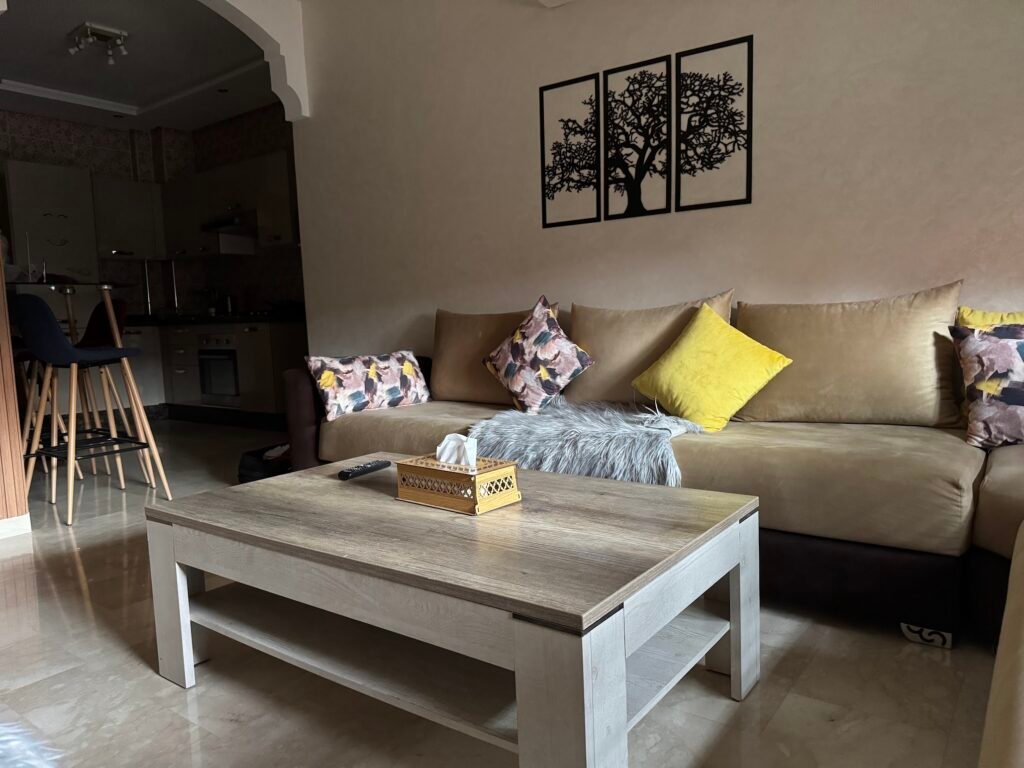
Once the neighborhood and location feel right, then I start really looking at the apartment itself.
This is where I think people get distracted by aesthetics. A place can be beautiful in photos and still be a terrible setup for daily life. I care way more about whether an apartment will actually function well for a month or more than whether it photographs well on a listing site.
A kitchen that actually works
I always look at the kitchen closely. Does it have the basics I need like a refrigerator, stove, pots, pans, plates, cups, and silverware? And not just technically. Does it have enough of those things to support actual daily life?
Some rentals say they have a full kitchen, but then you get there and realize they’ve stocked it like someone is staying for two nights. Two plates. Two cups. Barely any utensils. No real way to cook. That gets annoying fast when I’m actually living there.
If I’m staying somewhere for a while, I want a kitchen that helps me eat at home, save money, and settle into normal routines.
Heating and air conditioning
For a longer stay, I want to know I’ll be comfortable in the weather I’m walking into. If I’m there during hot or cold months, some kind of fan, heat, or AC setup makes a big difference.
Laundry access
Laundry is one of the first filters I look for.
Ideally, there’s a washing machine in the unit or at least in the building. If there isn’t, then I want to know there’s a laundromat nearby. When I’m living nomadically and not traveling with a huge wardrobe, I end up doing laundry more often.
I also try to check whether there’s a drying rack or a practical place to hang clothes. A lot of countries do not use dryers the way we do in the US, and if there’s nowhere for clothes to dry, the apartment starts turning into a laundry line.
Cleaning supplies or cleaning help
This matters a lot more once I’m staying somewhere longer than a week. If a place doesn’t come with basic cleaning supplies, I’m the one buying everything from scratch every time I move. I also see it as a bonus if cleaning is included or available for an extra fee, especially since it’s often much cheaper abroad than in the US.
Internet that can actually support work
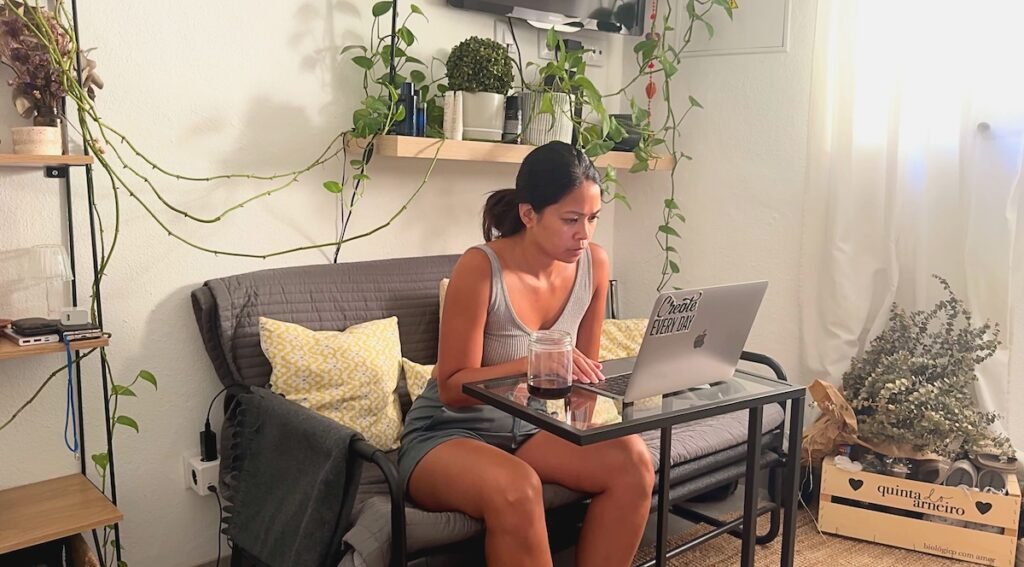
If I’m working remotely, I need a strong enough connection to support daily life. Yes, I can work from cafes or coworking spaces, but sometimes I just want to work from home without jumping through hoops.
I’ll usually message the host or landlord to ask directly about internet speeds. This became very real for me in Essaouira, where I had a huge, beautiful apartment, but the internet made video editing and uploading a pain. A place can look amazing and still make my workday harder than it needs to be.
Storage
Storage is another thing people don’t think about until they arrive.
Does the apartment have a closet? Hangers? A dresser? Somewhere to actually put things?
I once stayed in a place in Barcelona with a closet but no hangers, so most of my stuff ended up living in my suitcase. It doesn’t sound like a huge deal until I’m trying to stay organized for weeks and everything starts feeling messy.
If I’m booking on a platform, I check the photos carefully. If I’m subletting, I ask directly whether there will be room for my things.
Sometimes it’s the little things that make a place feel easiest to live in. If it already has basics like oil, salt, pepper, dish soap, or hand soap, settling in is just easier. I notice this more with sublets, since they usually feel more lived-in than short-term rentals.
6. Questions I Ask Before I Book
Before I commit to a place, I try to get clear answers to anything that could become a recurring annoyance later. Some of the main things I ask about are:
- Is wifi included, and what are the speeds?
- Are utilities included?
- Is there laundry in the unit, in the building, or nearby?
- Is there heating or AC?
- Are towels and sheets included?
- Are there basic cleaning supplies?
- Is there a place to comfortably work from home?
- Is there closet space, storage, or hangers?
- If it’s a sublet, will there be a contract?
A lot of apartment stress can be avoided just by asking more questions before sending money.
7. Red Flags That Make Me Pause
There are also a few things that immediately make me slow down.
If a host is vague when I ask direct questions, that’s a red flag. If the listing has beautiful photos but somehow avoids showing important parts of the apartment, that’s a red flag too. If there’s no clarity around internet, utilities, storage, or what’s actually included, I pay attention.
With sublets, I’m extra cautious if the person won’t do a video call, won’t provide a contract, or seems weirdly evasive about details. Those are all signs to slow down. This builds directly on the caution you already raised around online scammers and the need to verify the person is real.
And sometimes the red flag is just the location itself. The apartment may technically be in the right neighborhood, but if the street feels too loud, too inconvenient, too isolated, or too sketchy, I listen to that.
Usually, if I’m trying too hard to convince myself a place will work, it probably won’t.
Final Thoughts
A good apartment can make living abroad feel easier, calmer, and way more enjoyable.
A bad one can make even an amazing city feel exhausting.
That’s why I think so much about where I live. When you’re staying somewhere for more than a quick trip, your apartment affects so much of your day-to-day life and how quickly a place starts to feel like home.
If you’re still figuring out the bigger picture of moving abroad, you can read my full guide on How I set up my life to move abroad, which covers the practical side of making this lifestyle work.
I’m also working on more guides about what it’s actually like to live in specific cities for longer than a trip, including the neighborhoods I’d personally choose and how I think about daily life in each one.
Want a simpler way to compare places?
📋 Download my Apartment Search Checklist for Living Abroad.

I’m Marie, a slowmad and adventurer who left settled life in the U.S. to live abroad and explore the world.
I live in countries for months at a time to understand new cultures and explore deeply, sharing my insights on what it’s like to live abroad and the travel adventures along the way.
Learn more about how to move abroad
-

Best Bank Accounts and Cards for Living Abroad Full Time (My Exact Setup)
Most people don’t think about their financial setup until something goes wrong abroad — a declined card, a surprise fee, a transfer that costs way more than it should. Here’s…
-

Google Fi for Digital Nomads: What’s Worked for Me Living Abroad Full Time
Living abroad full time sounds freeing until you realize how much of your life is still tied to a U.S. phone number. Here’s the setup I use to keep mine…
-
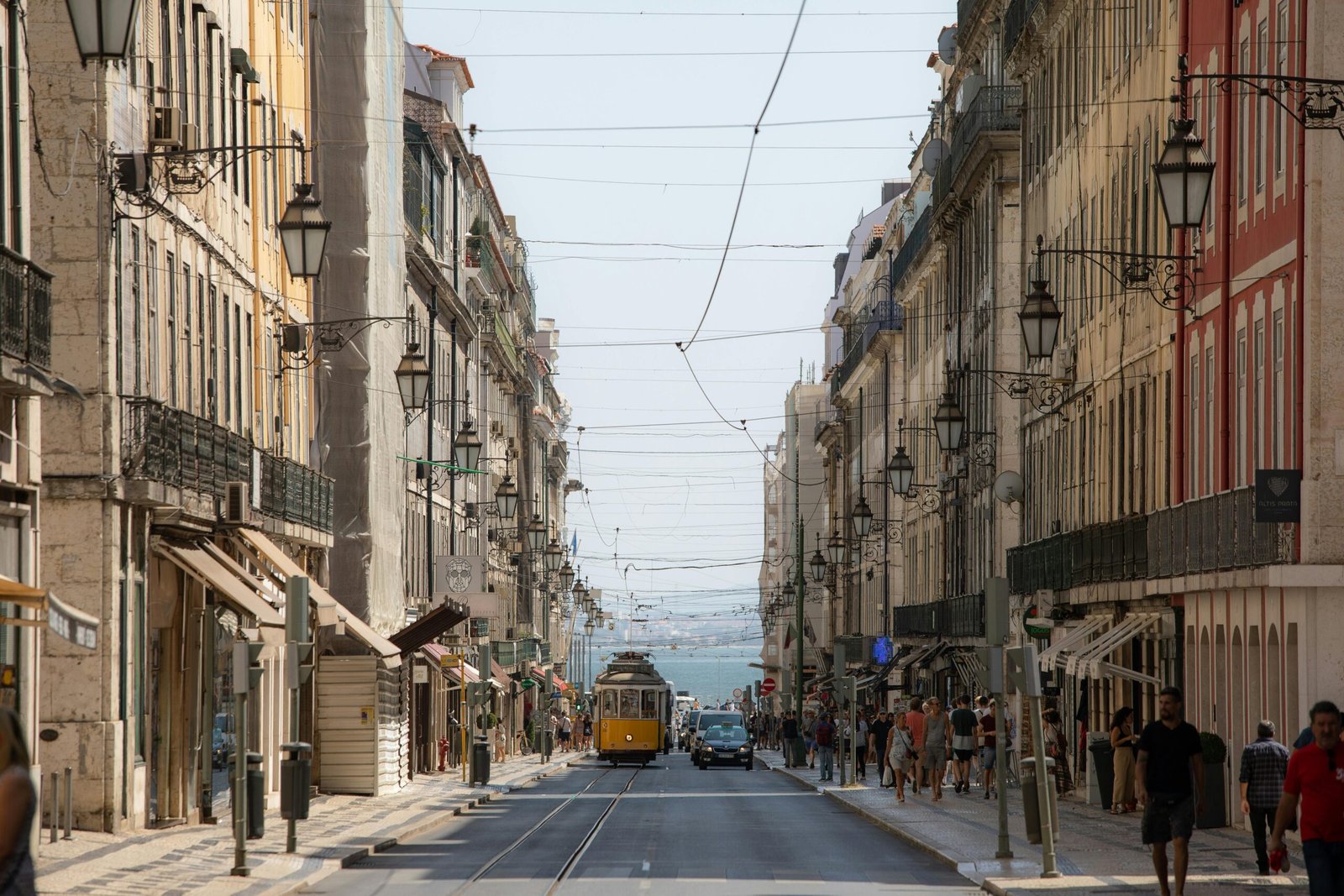
How I Choose the Right Neighborhood Abroad
MOVING ABROAD How I Choose the Right Neighborhood Abroad What I look for in a neighborhood when I’m moving to a new city, from energy and livability to social life,…
-

How I Became a Digital Nomad: The Real Steps I Took to Move Abroad
What it really took to leave my life behind and start over abroad—from the logistics to the moments that mattered most.