MOVING ABROAD
How I Became a Digital Nomad: The Real Steps I Took to Leave the U.S.
•
SHARE:
This post contains affiliate links. If you book through them, I earn a commission at no cost to you. Learn more
If you’ve found this blog, you’ve probably had the same thought I did at some point: What would it actually be like to live abroad?
Not just travel for a week or two… but build a life somewhere new. And then the questions start creeping in.
Where would I go? How would I make money? What about my friends, my routine, my life as I know it?
For me, that curiosity sat in the back of my mind for a long time… until one day, it didn’t. Two years ago, I decided to take the leap and become a digital nomad. Since then, I’ve been living in a new country every few months, slowly building a life abroad instead of just passing through it.
I wasn’t just trying to travel — I was trying to build a life abroad.
In this post, I’m going to walk you through exactly how I made that transition — from the moment I decided to leave, to setting up my finances, healthcare, and logistics, to finally getting on a one-way flight out of the U.S.
This isn’t a generic guide. It’s the real, step-by-step process I followed — including the parts that felt exciting, overwhelming, and honestly… a little terrifying.
If you want to see this journey play out, I documented the entire process in my YouTube series.
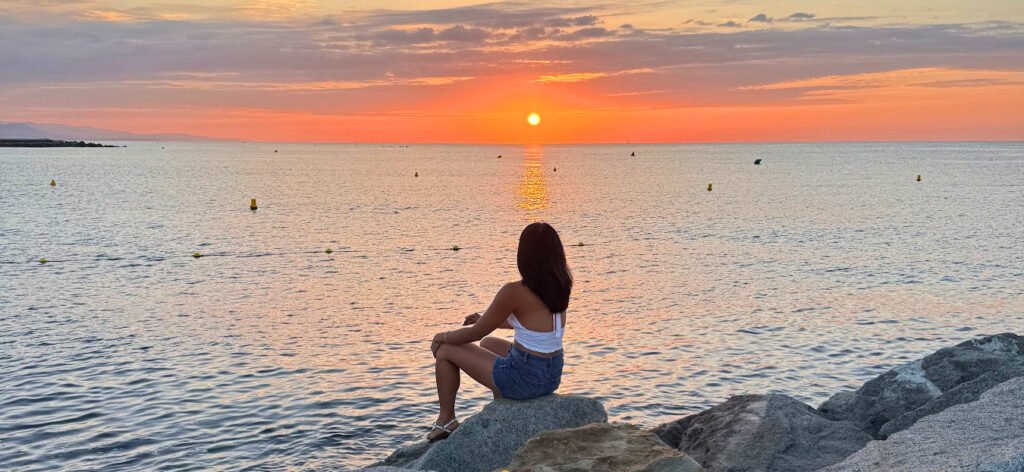
Step 1 — Deciding to Become a Digital Nomad (And Testing It First)
Why I Wanted More Than Just Travel
I’ve always loved travel. Exploring new places and experiencing different cultures was one of the first things that really expanded my perspective.
For me, it wasn’t just about seeing new places — it helped me understand the world better, empathize with different ways of life, and question the idea that there’s only one “right” way to live.
Over time, that started to shift something in me. Travel wasn’t just something I wanted to do every once in a while… I started wondering what it would actually look like to build a life around it.
Testing the Lifestyle in the Philippines
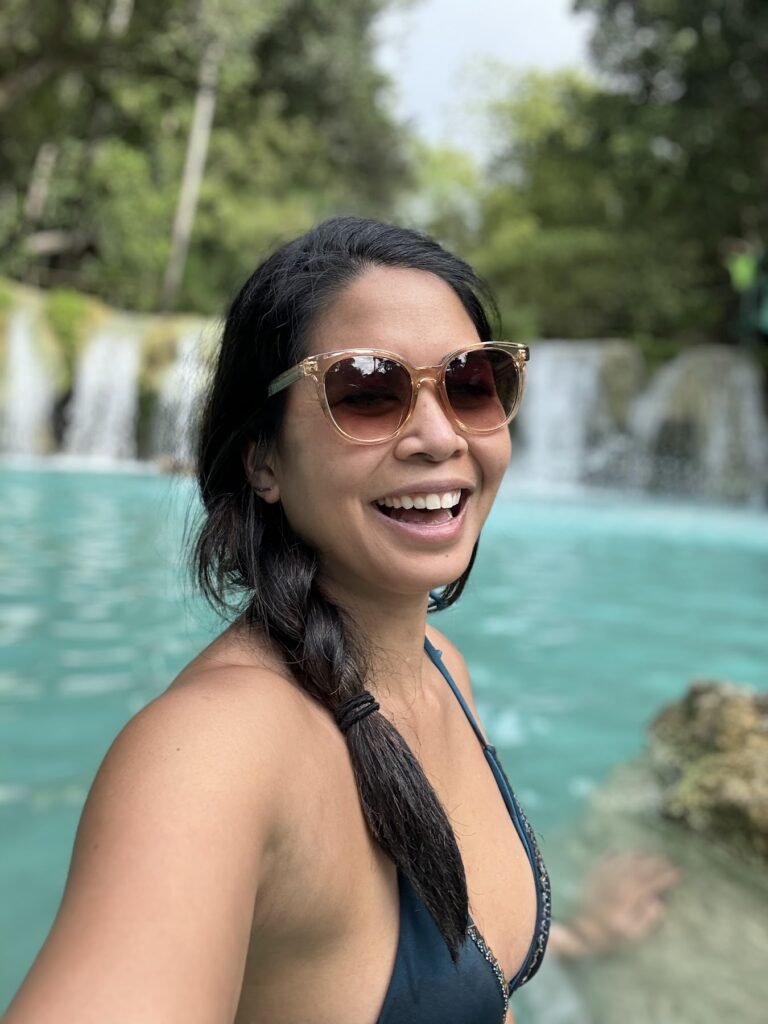
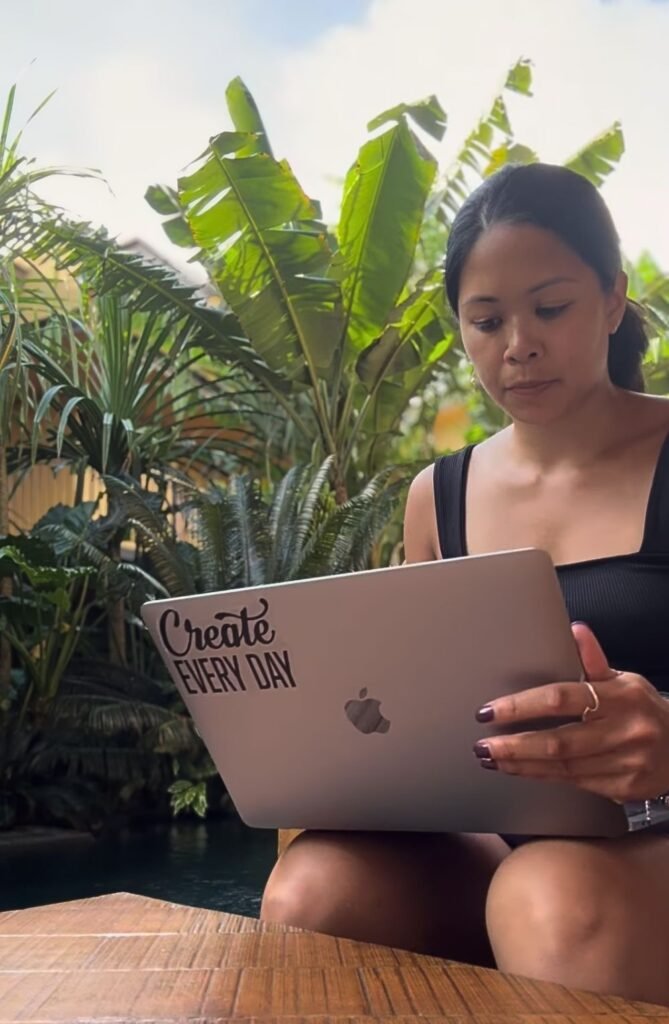
Before making the decision, I wanted to intentionally test if this lifestyle would actually work for me. Not just a vacation — but real life: working, keeping a routine, and exploring at the same time.
So I planned a 3-week trip to the Philippines, staying in a different place each week. And pretty quickly, I realized something:
The version of “working remotely from paradise” you see online… isn’t always how it actually feels.
What I Learned About Working Abroad
You see people on TikTok or Instagram working from beaches or pools — and while those moments exist, they’re not really what day-to-day life looks like.
In reality, working abroad comes with challenges I didn’t fully think about before.
Your work environment matters more than you think
Trying to work in beautiful locations sounds amazing… until:
- it’s loud
- the Wi-Fi cuts out
- or the power goes down
I learned pretty quickly that having a reliable place to work is non-negotiable.
Where you stay affects your entire day-to-day life
This was a big one. Things I didn’t think about before suddenly mattered a lot:
- having access to laundry
- being near a gym
- walking distance to cafes or places to eat
- how easy it is to get around
When you don’t have a car, your environment matters way more than you expect.
Healthcare isn’t something you can ignore
During that trip, I actually had an allergic reaction… twice. It was a bit of a wake-up call. When you’re abroad, especially in more remote places, you need to think about:
- how close you are to a doctor
- what your options are if something goes wrong
- and whether you have insurance that actually covers you
Not every destination is built for real life
When you’re traveling solo, there’s this natural pull to want to meet people and build some kind of community.
But I also realized that some places are just… better for a short trip than everyday life.
Party-heavy destinations are fun, but they can be distracting if you’re trying to work, build routines, or just feel a bit grounded.
What This Made Me Realize
That trip didn’t discourage me… If anything, it made me take this path more seriously. It showed me that this lifestyle was possible… just not in the way I originally imagined it.
Not every destination would work. Not every setup would be sustainable. But if I was intentional about how I approached it, I could build a version of this life that actually worked for me.
Step 2 — Choosing Where to Live Abroad

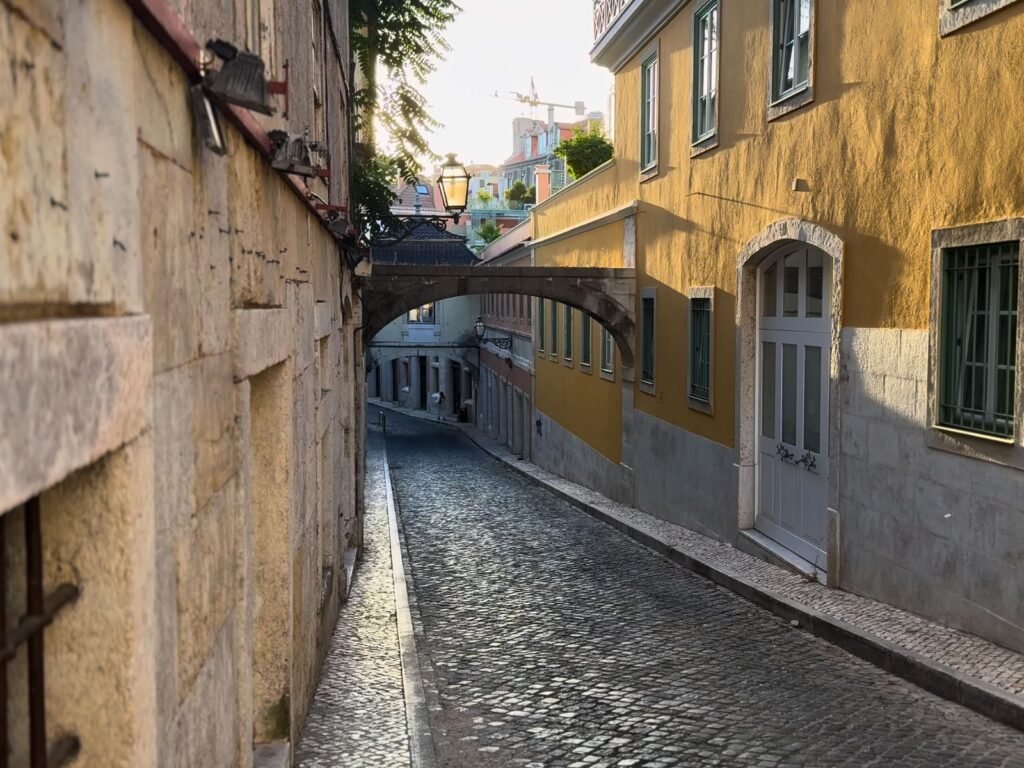
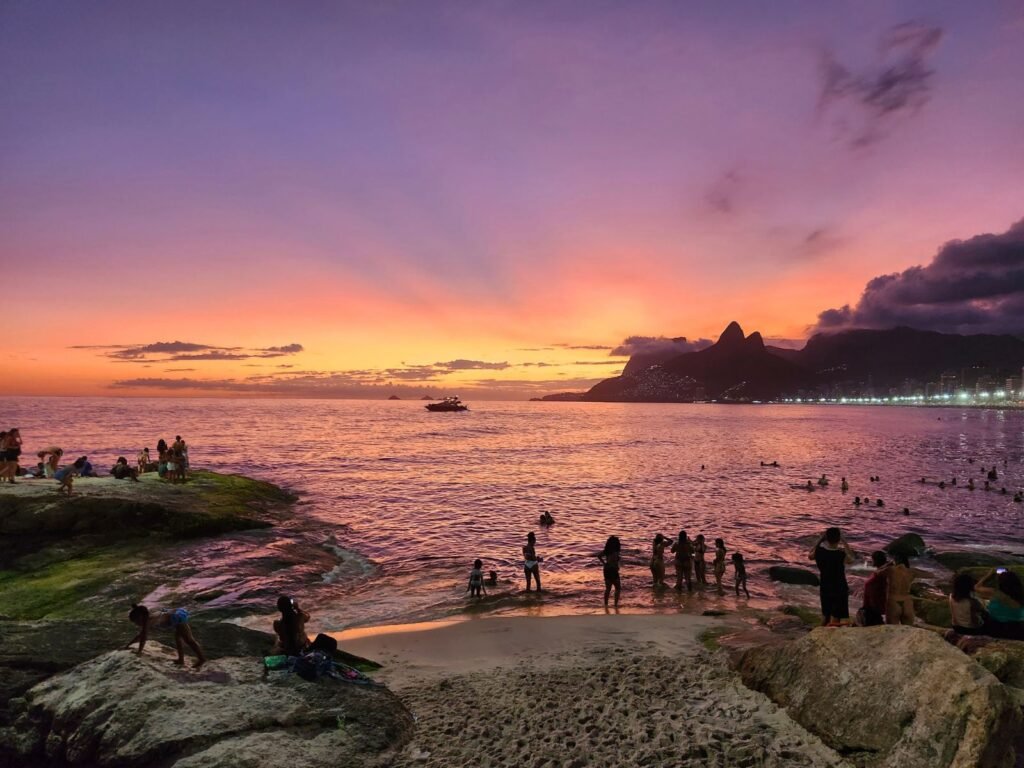
What I Was Looking For (Lifestyle, Culture, Cost, Community)
After the Philippines, I knew I had to be much more intentional about where I chose to go — especially if I was planning to stay for a few months at a time.
I wasn’t just looking for a place to visit. I was trying to find a place I could actually live.
My goal was to find a balance:
- somewhere that felt exciting to explore
- a culture that felt different from what I knew
- a place where I could learn something new
But at the same time, it also needed to support my day-to-day life:
- a lifestyle that matched my routines
- a strong digital nomad or expat community
- a place where I could stay productive
- and realistically… somewhere that wouldn’t break the bank
Coming from San Francisco, most places already felt more affordable by comparison.
I also had to think about some of the more practical pieces that don’t always get talked about — like visa options, time zone differences for work, and how easy it would be to navigate daily life in a language I didn’t natively speak.
Those things didn’t drive my decision, but they definitely influenced it.
Countries I Considered For My First Abroad Location
At the beginning, I mapped out a few options for my first year: Spain, Argentina, Morocco, and Brazil.
Each one offered something different:
- Spain felt like an easier transition into living abroad
- Argentina felt exciting and culturally rich
- Morocco felt completely different from anything I had experienced
- Brazil had the energy, lifestyle, and nature I was drawn to
But I knew my first destination mattered. It would set the tone for everything that came after.
So I kept coming back to one question:
Where would I feel both challenged and supported?
Why I Chose Spain (And Barcelona Specifically)
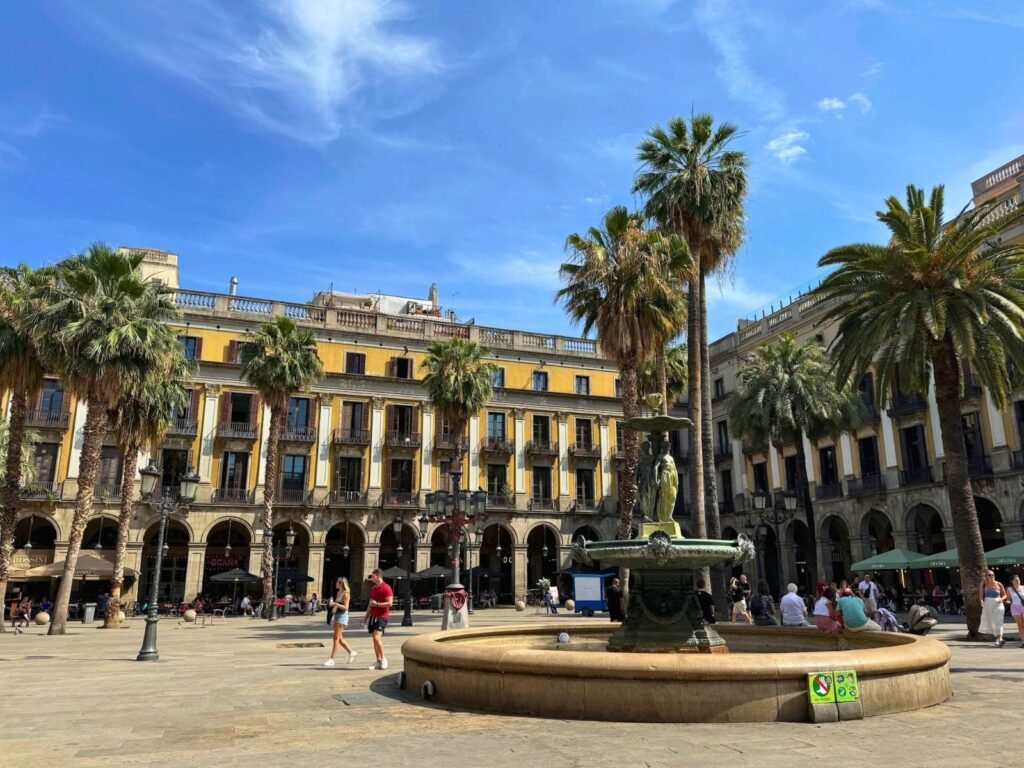
I ultimately chose to move to Barcelona, Spain, because it felt like the best balance of everything I was looking for.
It checked a lot of boxes:
- walkable city
- a language I could speak (even if not fluently)
- strong expat and nomad community
- access to culture, history, and nature
- a lifestyle that felt both social and structured
It felt like a place where I could build a routine, not just pass through for a few weeks.
But one of the biggest reasons was something more personal.
I wanted to learn something new in every place I lived — and at the time, I had been thinking about learning bachata.
Barcelona had a strong dance scene, and it felt like the kind of place where I could not only live and work… but actually grow.
And for my first step into this lifestyle, that felt important.
Step 3 — How I Structured My Finances (Banking & Residency Setup)
A lot of blogs and creators talk about budgeting before going abroad, but honestly, that wasn’t the problem I was trying to solve.
What I needed to figure out wasn’t how to earn… it was how to structure my life in a way that made this lifestyle sustainable.
Because even with an income, leaving your entire life behind comes with a lot of unknowns.
I still followed the idea of keeping at least 6 months of savings available — just in case. But I wasn’t trying to live as cheaply as possible. I wanted to enjoy where I was, stay in places I felt comfortable, and actually experience the countries I was living in.
So instead of “budgeting” in the traditional sense, I started thinking more in terms of:
→ what does my ideal life abroad cost? → and how do I support that long-term?
Regardless of where you’re starting from, that shift in thinking is what makes this lifestyle sustainable.
My Banking Setup
Once you’re living between countries, you realize pretty quickly that your existing banking setup probably wasn’t built for this. Sometimes you need cash. Sometimes you’re transferring money internationally. And not everywhere accepts card.
I spent time before leaving setting up the right tools — ones that actually worked internationally, not just in the U.S. It made a bigger difference than I expected.
Credit Cards, Points & Travel Strategy
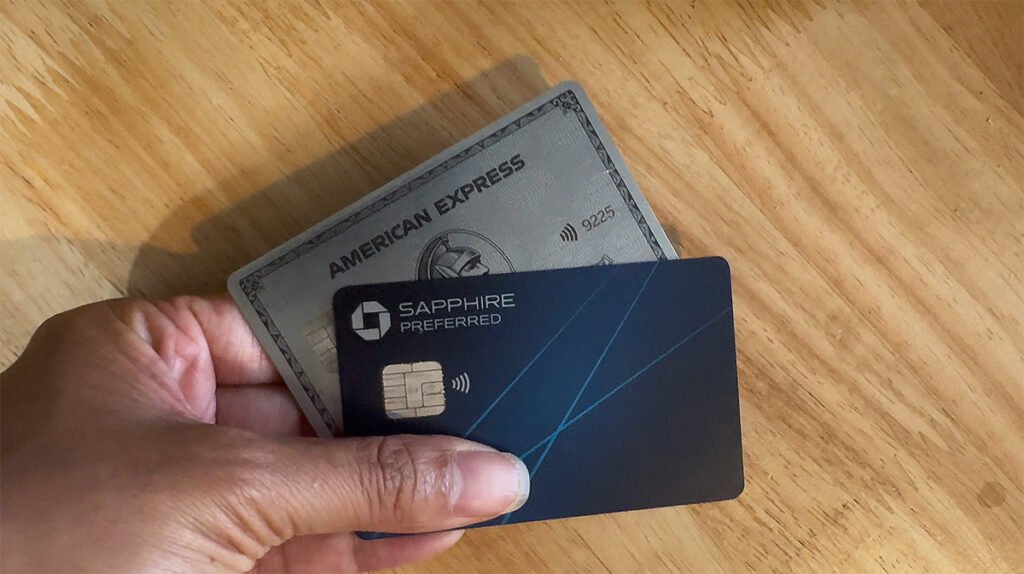
For credit cards, I made sure I had ones that worked well internationally — especially with 0% foreign transaction fees.
I kept it simple. One main card — my Amex Platinum — and a backup. The travel benefits alone made the annual fee worth it: lounge access, travel credits, TSA PreCheck and Global Entry. But honestly the biggest value ended up being the points. Being able to transfer points to airlines — especially during transfer bonuses — is where I’ve saved the most on flights between destinations.
And always have a second card. Cards get blocked, flagged for fraud, or just not accepted in certain countries. Having a backup has saved me more than once.
Taxes & Why I Changed My Residency to South Dakota
The next thing I had to figure out was taxes. It’s not the first thing most people think about when they imagine moving abroad… but it actually makes a big difference in your overall income.
Before I left, I was living in California — which I loved — but it also has one of the highest state income taxes in the U.S. (up to 13.3%). And for me, it came down to something pretty simple… If I wasn’t going to be living there anymore or benefiting from that system, it didn’t make sense to keep paying state income tax there.
So before leaving, I made the decision to cut my ties to California and establish residency in a state with 0% income tax. I chose South Dakota. That one decision ended up saving me a significant amount of money over time — especially while I was no longer tied to a single location.
There are a few states that offer 0% income tax, but each one has different requirements when it comes to establishing residency. For me, that meant physically going to South Dakota, setting up an address, and completing the steps required to make it official.
I won’t go too deep into the exact process here since requirements can change, but it’s definitely something you want to do properly. You can’t just say you move somewhere and call it a day.
(This is based on my personal experience, not financial or tax advice. It’s always worth doing your own research or talking to a professional based on your situation.)
Step 4 — Getting Covered (Health, Insurance & Medical Prep)
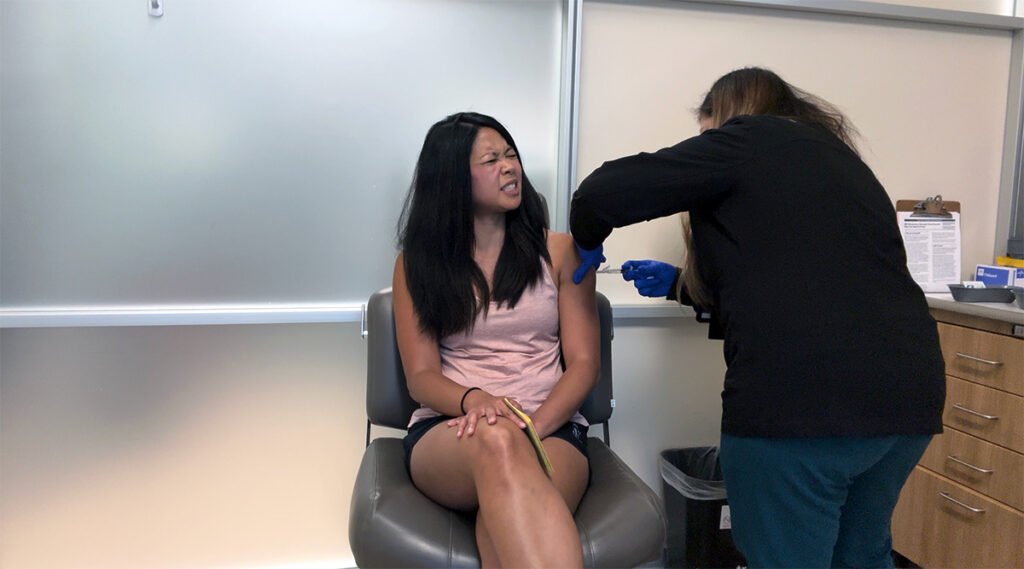
Vaccines & Medical Prep Before Leaving
Another big thing I had to take care of before leaving the U.S. was medical prep, because once you leave, you’re no longer relying on your usual doctors or health system — and that’s something I didn’t want to figure out after something went wrong.
So before I left, I tried to get as much done as possible while I still had access to doctors I knew and trusted. That included:
- annual physical checkups
- dentist appointments
- gynecological visits
Basically anything routine that I wouldn’t want to deal with in a new country.
I also made sure to get vaccines. The way I travel isn’t just city-to-city — some days I’m working in a city, and other days I’m exploring somewhere more remote. So I wanted to be proactive and protect my health based on the kinds of places I might be going. The last thing I wanted was to be dealing with something like yellow fever or another preventable illness while abroad.
Getting Prescriptions for Long-Term Travel
I also made sure to get prescriptions ahead of time.
That included:
- medications for things like infections or stomach issues
- and a year’s supply of anything I take regularly (like birth control)
Because once you’re abroad, you won’t always have access to the same medications or brands you’re used to. And even if you can find alternatives, it’s not something you want to be figuring out when you’re already not feeling well.
Travel Insurance vs Health Insurance (What I Learned)
Insurance was another piece I had to figure out — and honestly, it was a bit confusing at first. There are a few different types:
- Travel insurance → usually covers emergencies, delays, or unexpected situations
- Health insurance → covers more ongoing or routine care
I personally use Cigna Global for my own long-term international health coverage because I wanted a more traditional international health insurance plan.
But if you’re looking for something more flexible and nomad-friendly, Nomad Insurance by SafetyWing is another option worth checking out. It combines travel medical coverage with some extra travel-related protections like lost luggage, travel delays, and certain theft-related benefits.
Step 5 — Setting Up My Life to Function Abroad
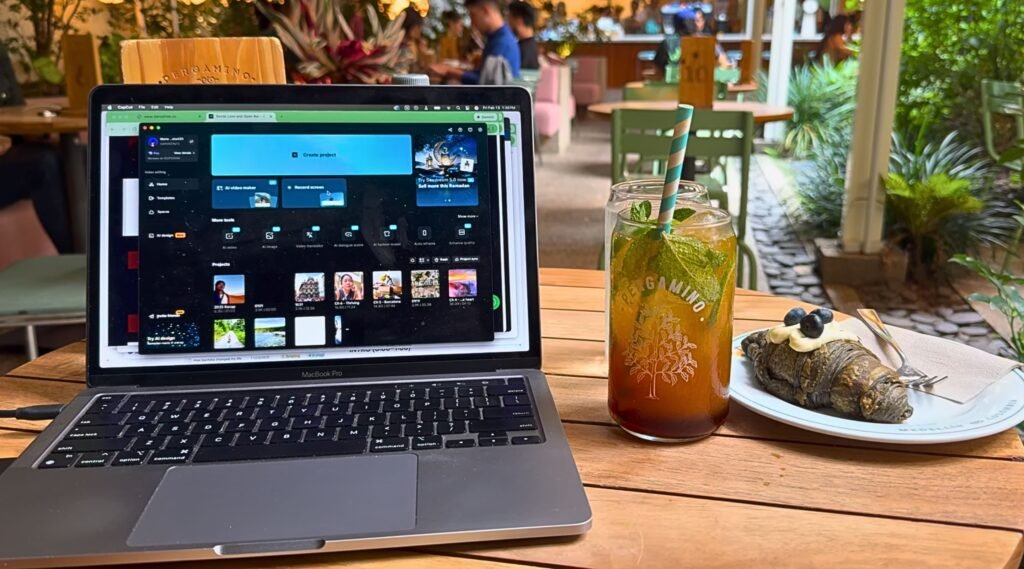
Once I had the basics wrapped up from my life in the U.S. (health, finances, etc.), I had to start setting myself up for actually living abroad.
That meant making sure:
- people back home could still call or text me
- I could still receive important mail
- and I had a place to live when I arrived
These were the small things that didn’t seem like a big deal at first… but made a huge difference once I was actually there.
My Phone Plan Strategy (Google Fi + eSIMs)
When it came to phone and text, I knew I needed to keep my U.S. number — mainly for things like 2FA. Most of my banking apps, work tools, and accounts still relied on it, so losing access wasn’t really an option.
A lot of phone companies offer international plans, but they can get expensive quickly if you’re abroad long-term. For me, I decided to go with Google Fi.
The biggest thing that made this setup work for me was realizing I didn’t actually need Google Fi to do everything.
I keep it to maintain my U.S. number, but I pair it with an eSIM for data in whatever country I’m in. That’s almost always cheaper than relying on a U.S.-based international plan for daily data.
I’ve personally had a good experience using Airalo for that. Their app makes it easy to download a data plan when I move somewhere new.
Mail, Addresses & Staying Connected to the U.S.
This was something I actually set up while handling my residency, but it ended up being just as important for day-to-day life abroad.
Since I didn’t have a permanent home anymore, I also needed a way to receive important mail. So I set up a mail forwarding service. It basically gives you a physical address in the U.S., and then scans your mail so you can view it online.
From there, you can decide whether to:
- open it
- forward it
- or just have it discarded
It’s one of those things you don’t think about until you need it — but once it’s set up, it makes life a lot easier.
Finding a Home
Once that was handled, I needed to figure out where I was actually going to live. I was planning to stay in Barcelona for about three months, so I wanted something that felt more like a home than a short-term stay.
Airbnb was the obvious place to start, but I quickly realized it wasn’t as straightforward as I expected. Barcelona has pushed back on short-term rentals due to over-tourism, which makes them harder to find — and often more expensive. So I ended up going a different route…
I joined a few Facebook groups and found a sublet for three months, which ended up being a much better fit.
Here’s my full guide to How I Find Apartments Abroad for a 1–6 Month Stay.
Booking My One-Way Flight
And finally… I had to book the flight. A one-way ticket out. That was one of those moments where everything started to feel very real.
I spent some time comparing flights using tools like Google Flights and Skyscanner, mostly just trying to find something that made sense timing-wise and price-wise.
But honestly, the logistics weren’t the hardest part.
It was pressing “book” on a one-way ticket — knowing I didn’t have a return — that really made it sink in.
Step 6 — Letting Go of My Old Life
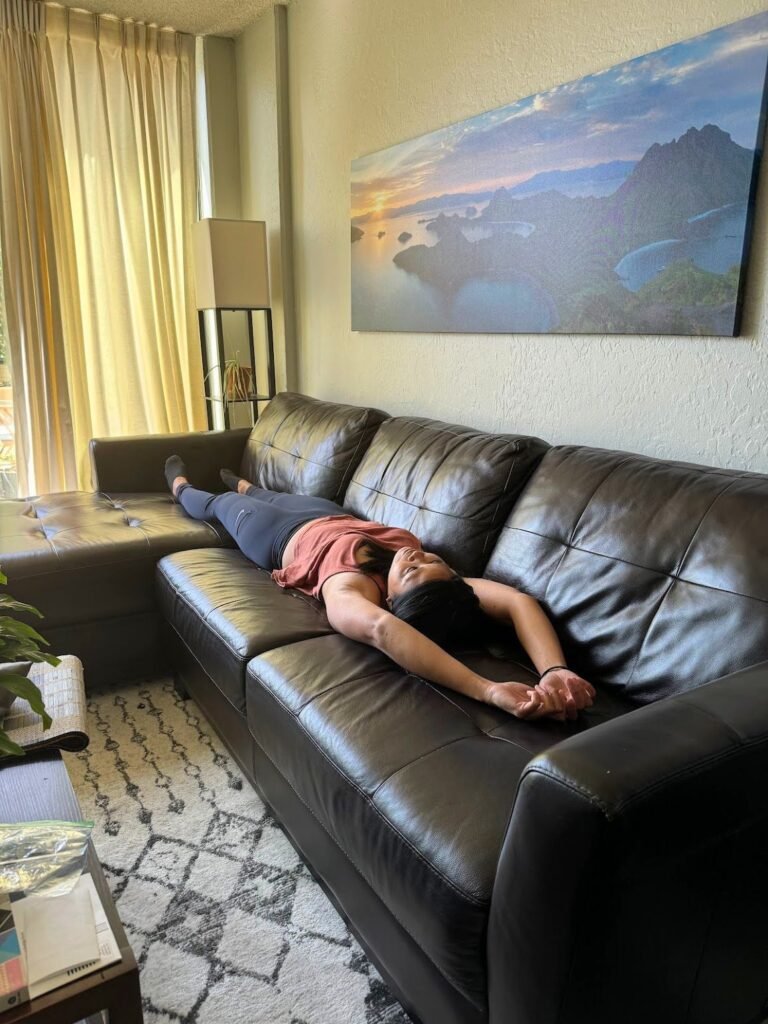
By this point, everything was set up. The logistics were handled. The plan was in place… But there was one part of the process that took longer, and felt heavier, than everything else combined.
This wasn’t one decision or one moment — it was a phase that unfolded over a few months.
When you decide to live abroad or go fully nomadic, you have to decide how much of your old life you’re willing to let go of. There are a few different ways to approach it:
- Keep your home and belongings, and rent it out
- Give up your home, but put everything in storage
- Fully let go — home, furniture, everything
Each option has its pros and cons.
Keeping your place can give you stability and even some income, but managing it remotely can be stressful if something goes wrong.
Storage gives you flexibility, but it’s still an ongoing cost.
And fully letting go gives you the most freedom — but it also requires the biggest emotional shift.
I chose the third option.
Selling, Packing & Downsizing Everything
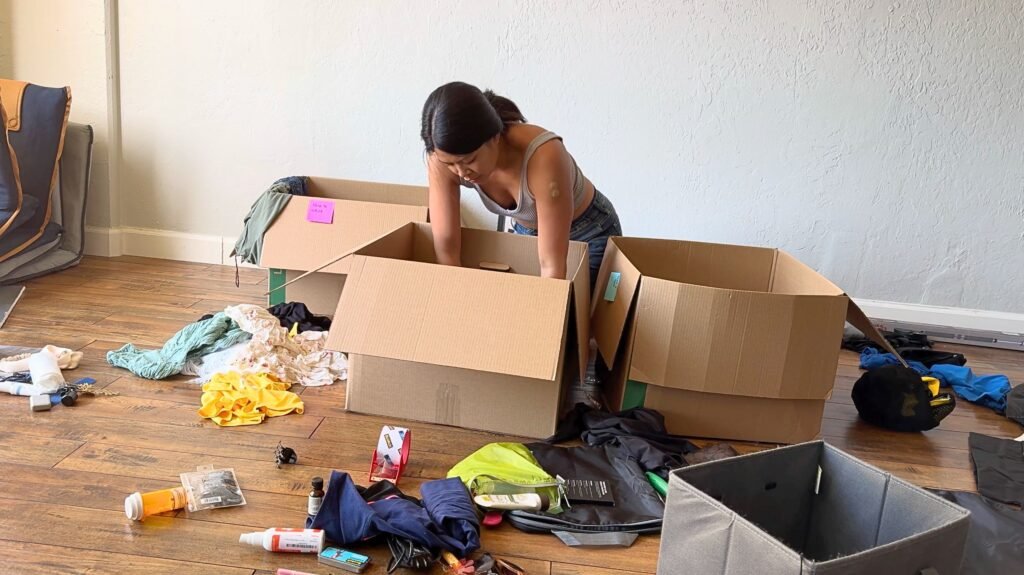
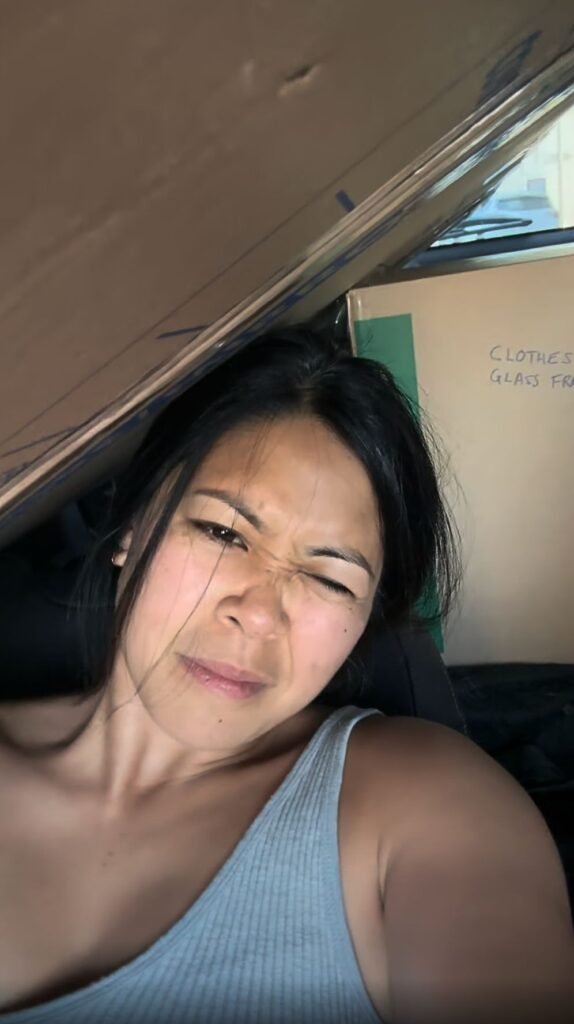
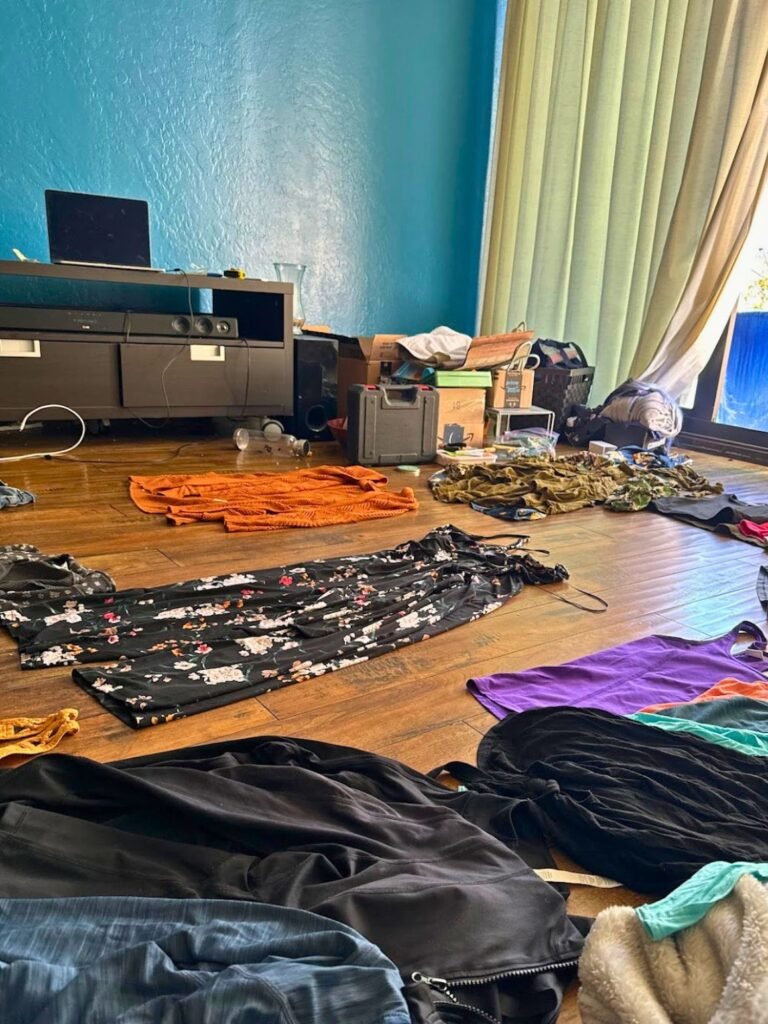
If you decide to sell most of your belongings, give yourself more time than you think you need. I’d recommend at least a few months — ideally closer to six.
It takes time to sort through everything:
- What should I keep?
- What can I donate?
- What can I sell?
And selling things, especially larger items, doesn’t always happen quickly.
I used a mix of Facebook Marketplace, Nextdoor, and Craigslist. Facebook Marketplace worked best for me — it was just easier to manage conversations and listings in one place.
But honestly, the process was more stressful than I expected. Some items sold within hours. Others sat online for months, even after lowering the price multiple times.
I had a bed frame and mattress listed for what felt like forever — and when it didn’t sell, I ended up putting it on the sidewalk… and it was gone within an hour. That pretty much sums up the experience.
One thing I didn’t fully think about was timing. If you want the best price, you need to list things early — but that also means you might be living without furniture for a while.
There was a period where I was working from home, sitting on the floor, because I had already sold my table and couch.
Leaving My Apartment in San Francisco
Letting go of my apartment was one of the hardest parts. I loved that place. I had spent years making it feel like home — and it really reflected who I was at that stage of my life.
It was also a rent-controlled two-bedroom with a patio… in San Francisco. Which makes it even harder to walk away from. Sending the “I’m leaving” email to my building felt very real.
It was one of those moments where it fully hit me — I wasn’t just planning this anymore, I was actually doing it.
It felt scary, sad… but also freeing.
Saying Goodbye to Friends & Family
Because I knew this would be a big transition, I gave myself about six months before leaving. The first part was figuring out logistics. But once I started telling people, everything shifted.
I wanted to give myself enough time to really spend time with the people I cared about. After living in one place for over a decade, that’s a lot of relationships. And honestly, it made me feel really grateful.
Most of my friends were genuinely excited for me. They knew who I was, and they understood why I wanted this.
My parents were a different story at first. They were surprised — my mom cried — but eventually they came around.
One thing I didn’t expect was how socially exhausting it could be. As an introvert, having plans almost every day toward the end was a lot.
So if you’re going through something similar, give yourself enough time — not just to say goodbye, but to do it in a way that doesn’t completely drain you.
Step 7 — The Final Days Before Leaving the U.S.
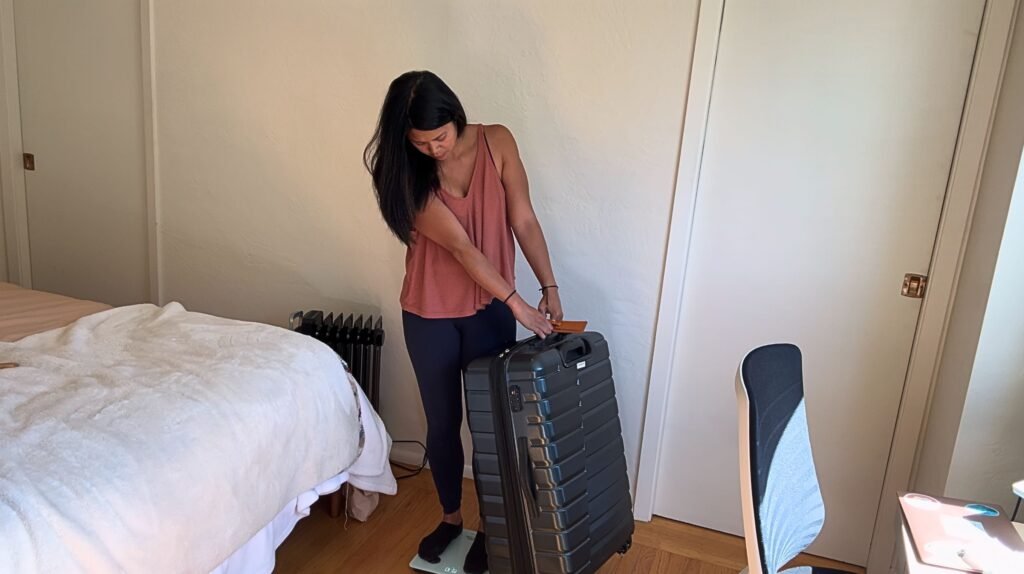
The last few days felt like a blur. Final packing, last goodbyes, double-checking everything… and then suddenly, it was time.
I remember weighing my suitcase one last time, making sure it was under the limit — everything I owned now fitting into a few bags.
And then I was at the airport. One-way ticket. No return. That was the moment it really hit me. This wasn’t just an idea anymore — I had actually left my life behind.
And I had no idea what was going to happen next.
What I Wish I Knew Before Becoming a Digital Nomad
Looking back, there are a few things I wish I had understood before making the jump.
Not because I would have done things differently, but because it would have helped me approach the whole experience with a little more clarity.
1. It’s not just travel… it’s a completely different way of living
Before leaving, I think I blurred the line between travel and living abroad. But they’re very different. Travel is temporary. It’s exciting, flexible, and doesn’t require much structure.
Living abroad, especially while working, requires routines, systems, and a lot more intention.
In some places where I had my systems in place, life flowed smoothly. I kept my routines, and my productivity was high. In others, when I didn’t have that structure, I struggled.
Once I understood that, everything started to feel more sustainable.
2. You don’t need as much as you think you do
Letting go of my apartment, my belongings, and my routine felt like a huge leap, but once I did it, I realized how little I actually needed to feel comfortable.
And more importantly, how much lighter life felt without being tied to so many things.
3. Saying goodbye is harder than leaving
I expected the hard part to be logistics.
But the hardest part was actually the emotional side — saying goodbye to people, to routines, to a version of my life that felt familiar.
Giving myself time to do that made a big difference.
4. Changing your environment changes you
This was something I didn’t fully expect. At this stage in my life, I felt like I already knew who I was and what I was capable of.
But by constantly changing my environment — new countries, new cultures, new routines — I found myself growing in ways I didn’t anticipate.
It pushed me out of my comfort zone, and I’m still learning more about myself because of it.
5. There’s no “perfect” way to do this
Before leaving, I spent a lot of time trying to figure out the “right” way to become a digital nomad. The perfect setup. The perfect plan… But once I actually started, I realized most of it is something you figure out along the way.
You just need a solid foundation — and the willingness to figure the rest out as you go.


I’m Marie, a slowmad and adventurer who left settled life in the U.S. to live abroad and explore the world.
I live in countries for months at a time to understand new cultures and explore deeply, sharing my insights on what it’s like to live abroad and the travel adventures along the way.
Learn more about how to move abroad
-
Best Bank Accounts and Cards for Living Abroad Full Time (My Exact Setup)
Most people don’t think about their financial setup until something goes wrong abroad — a declined card, a surprise fee, a transfer that costs way more than it should. Here’s…
-
Google Fi for Digital Nomads: What’s Worked for Me Living Abroad Full Time
Living abroad full time sounds freeing until you realize how much of your life is still tied to a U.S. phone number. Here’s the setup I use to keep mine…
-
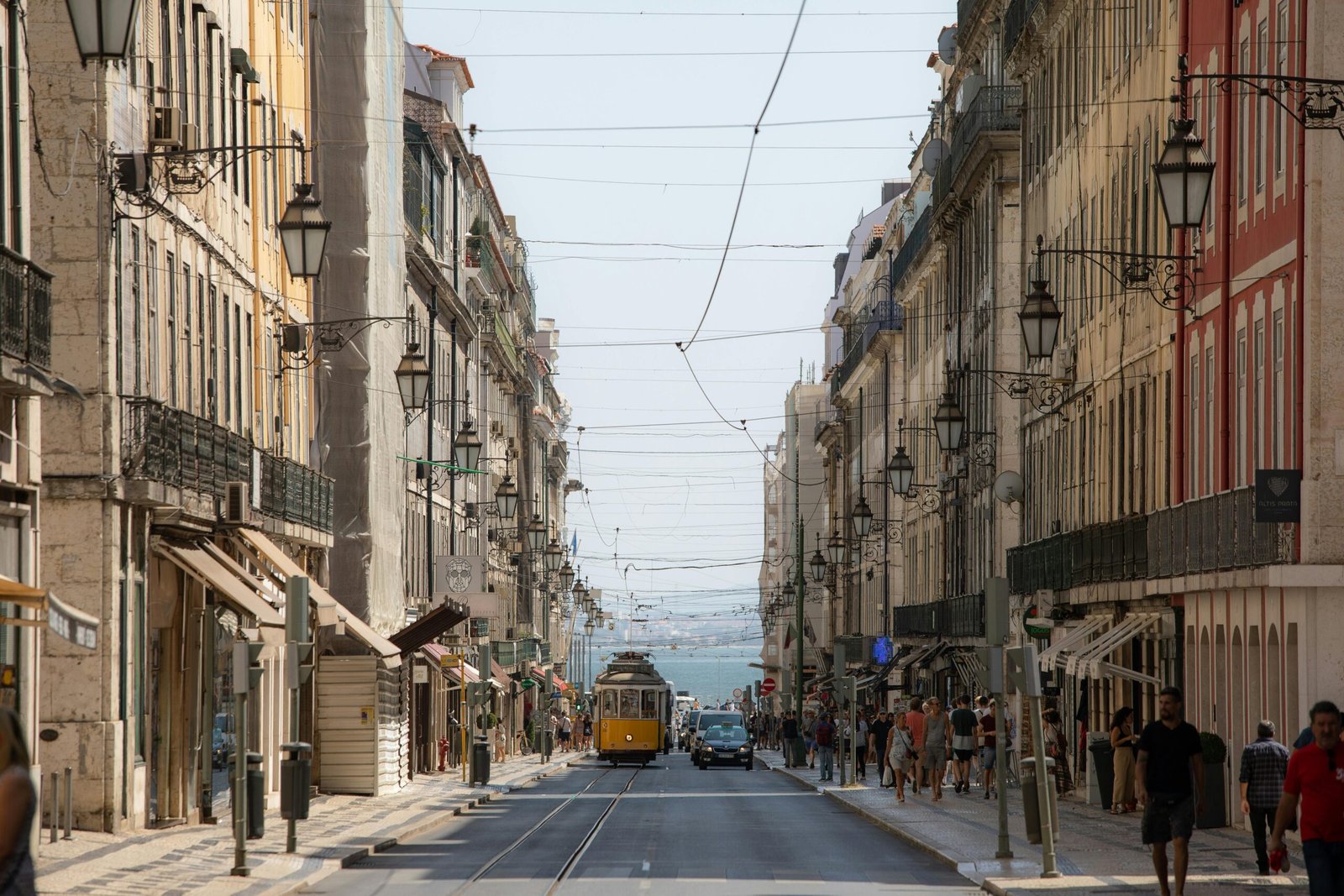
How I Choose the Right Neighborhood Abroad
MOVING ABROAD How I Choose the Right Neighborhood Abroad What I look for in a neighborhood when I’m moving to a new city, from energy and livability to social life,…
-
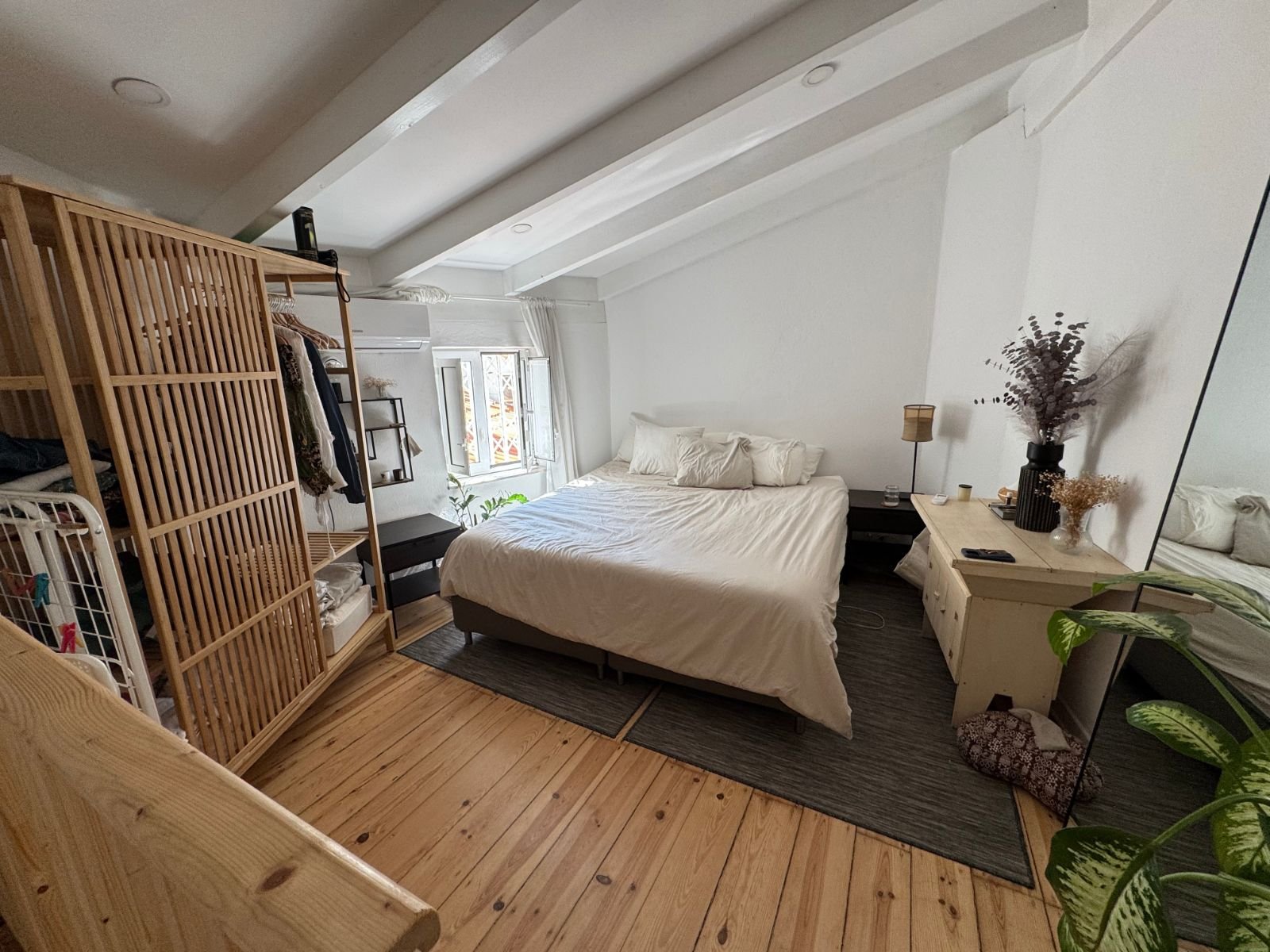
How I Find Apartments Abroad for a 1–6 Month Stay
MOVING ABROAD How I Find Apartments Abroad for a 1–6 Month Stay What I look for in a place abroad, from neighborhood fit to walkability, wifi, and the details that…