SPAIN
SHARE:
This post contains affiliate links. If you book through them, I earn a commission at no cost to you. Learn more
Planning a trip to Barcelona but don’t know where to begin? The first time I arrived, I knew almost nothing about the city. I ended up loving it enough to come back again and again.
Over multiple stays, I’ve revisited many of the major sights, found the neighborhoods I kept returning to, and started taking visiting friends to the places I thought were actually worth their time.
This itinerary isn’t about checking off items on a list. I want you to see the places that really are worth the hype, but still have enough time to wander through neighborhoods, eat some tapas, sit in a plaza, and actually experience what makes Barcelona enjoyable.
I’ll start with the 3-day Barcelona itinerary I’d recommend for a first-time visit, then build onto it with some of my favorite day trips if you have four, five or even seven days.
Barcelona 3 Day Itinerary Map
Below you’ll find the map of the first three days of my itinerary. This gives you the core Barcelona experience of history, architecture, food, and local life.
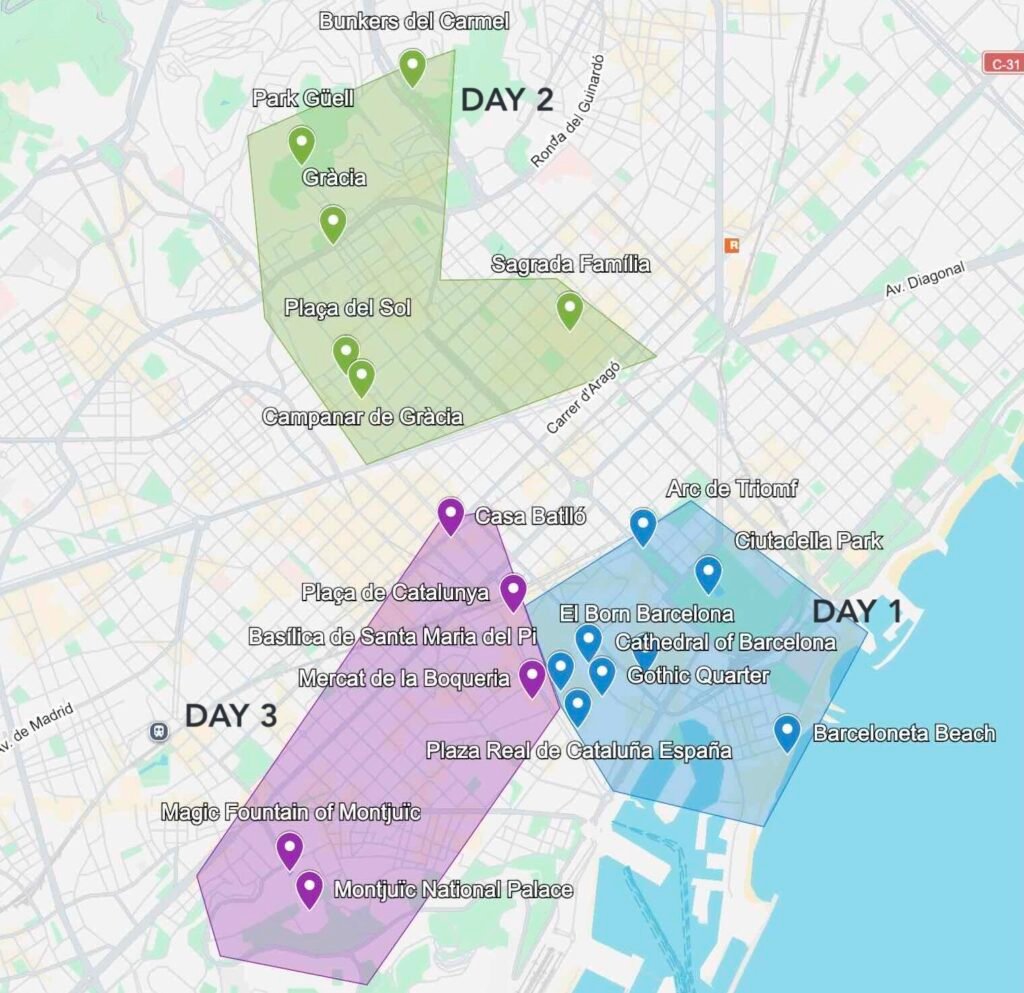
I recommend at least 3 full days in Barcelona to really get a feel for the city, though I think the sweet spot is honestly 4-5 days.
If you have a week in Barcelona, then I’d recommend you use your extra days to explore the surrounding Catalonia area, rather than adding more attractions.
QUICK BARCELONA ITINERARY
Day 1: Explore Barcelona’s Historic Center
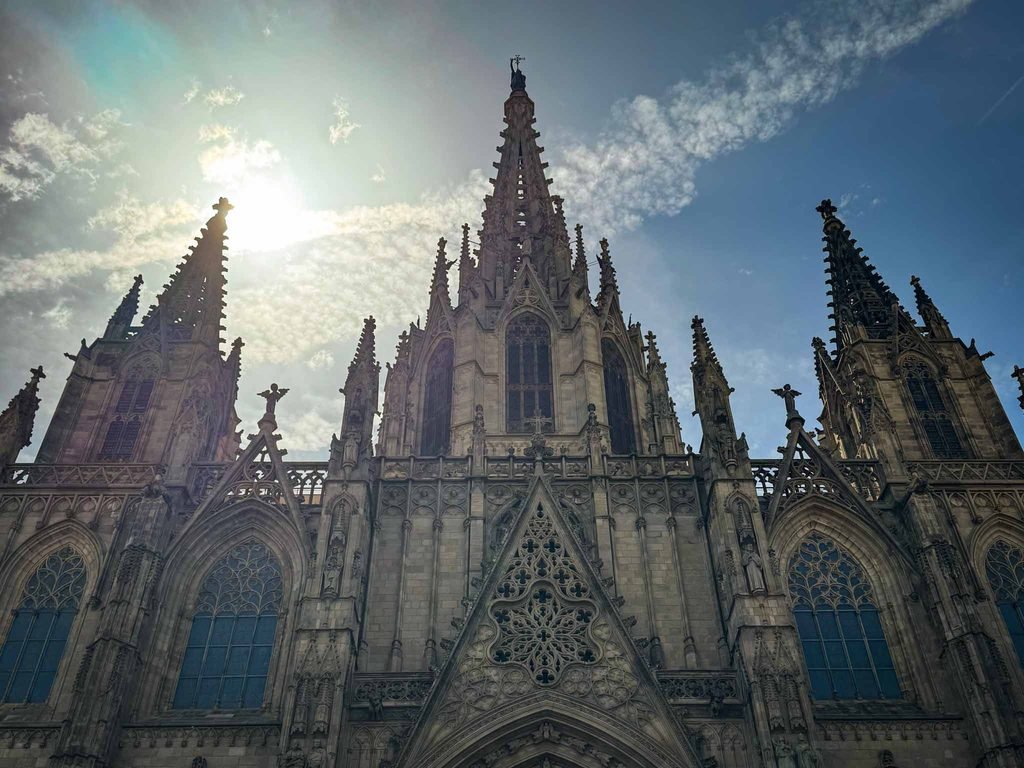
This itinerary starts you off in the Gothic Quarter and El Born. Why? Because I want you to understand how old and varied Barcelona really is.
Morning: Wander the Gothic Quarter
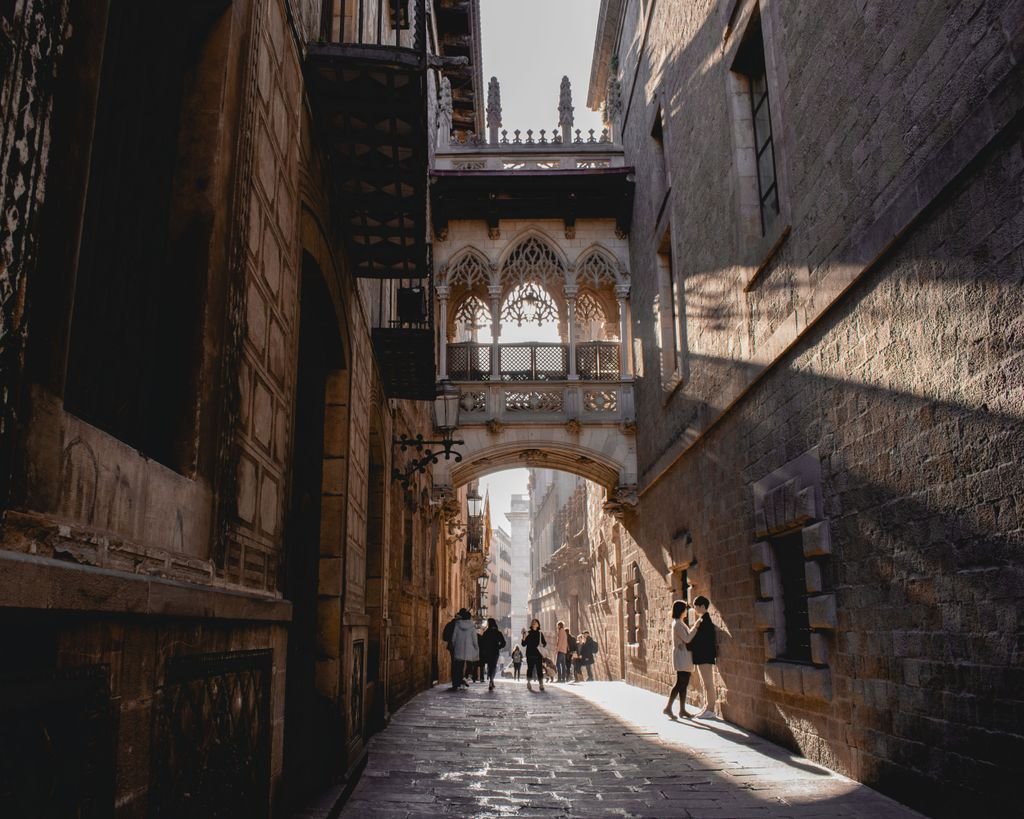
The Gothic Quarter, or Barri Gòtic, will transport you in time. Barcelona’s ancient Roman city once stood here, and you can still find remnants of that history mixed into the medieval neighborhood that grew around it.
As you wander through, you’ll find yourself in a maze of narrow stone streets, Gothic churches, hidden plazas, and old palaces that honestly feel like a medieval fairytale. Half the fun is just seeing where you end up.
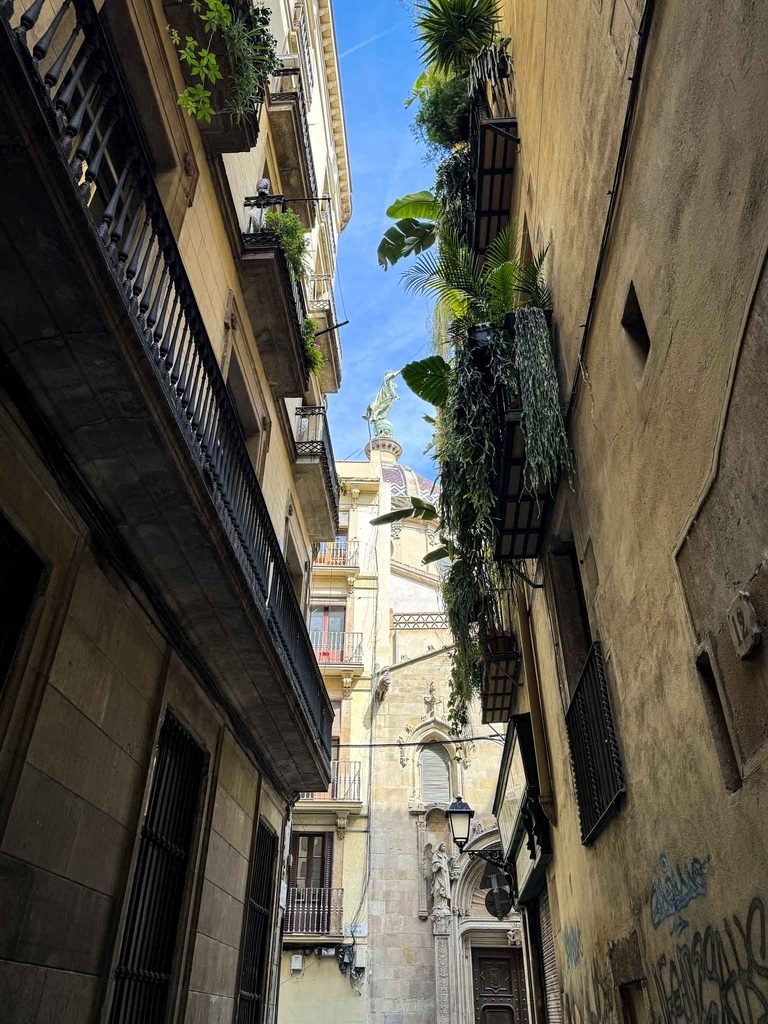
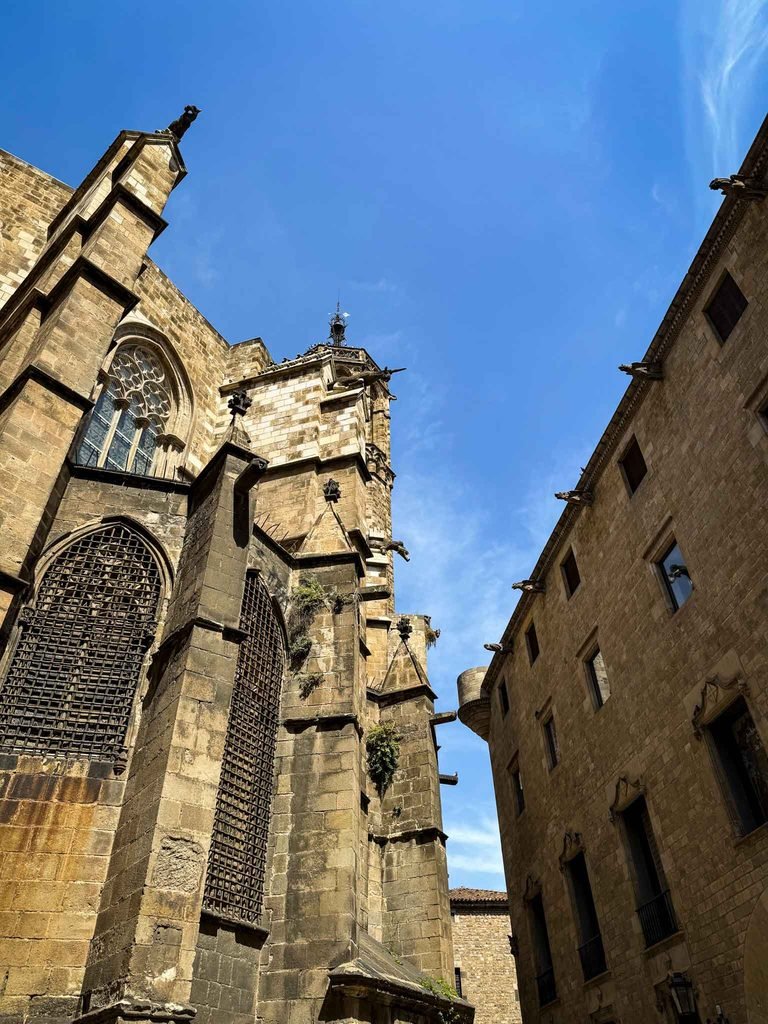
Spend your morning exploring and and make sure to check out Barcelona Cathedral, the dramatic Gothic centerpiece of the neighborhood. If you’re visiting around Christmas, the square in front fills with the Fira de Santa Llúcia, a traditional holiday market with decorations and handmade goods. I loved seeing this part of the city during the holidays, it makes the city feel even more magical.
📍Pont del Bisbe is another spot worth checking out. It’s beautiful from a distance, but make sure you actually walk underneath it and look up. The underside is ornate too, with carved details that are easy to miss if you’re only stopping for the classic photo.
Marie’s Tip: Take a walking tour
You can absolutely explore the Gothic Quarter on your own, but I personally got much more out of it after finally taking a walking tour.
There are so many layers history packed into such a small area that it’s easy to walk past something significant without realizing it. Having someone explain the history and architecture gave the neighborhood much more context for me.
If you’re on a budget, free walking tours are available, though from experience, they can get pretty large. If you’d rather have a smaller group and more interaction with the guide, I’d consider a paid tour.
Prefer a smaller tour? Compare small-group and private options:
Late Morning: Enter El Born
Once you’ve gotten your fill of the Gothic Quarter, make your way east into El Born.
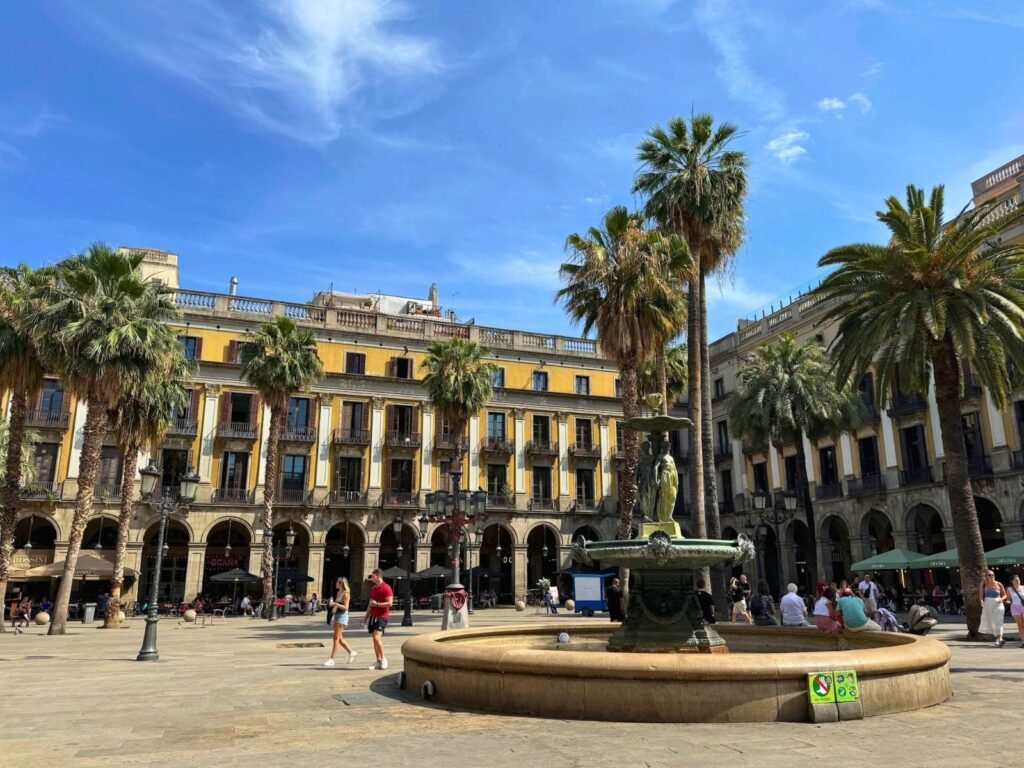
You’ll still see narrow streets, but the atmosphere starts to shift. To me, El Born feels a bit more open, artistic, social, and lived-in. Here, you can find cafés, bars, boutiques, and tapas restaurants tucked between historic buildings, so it’s a nice place to slow down after your morning of sightseeing.
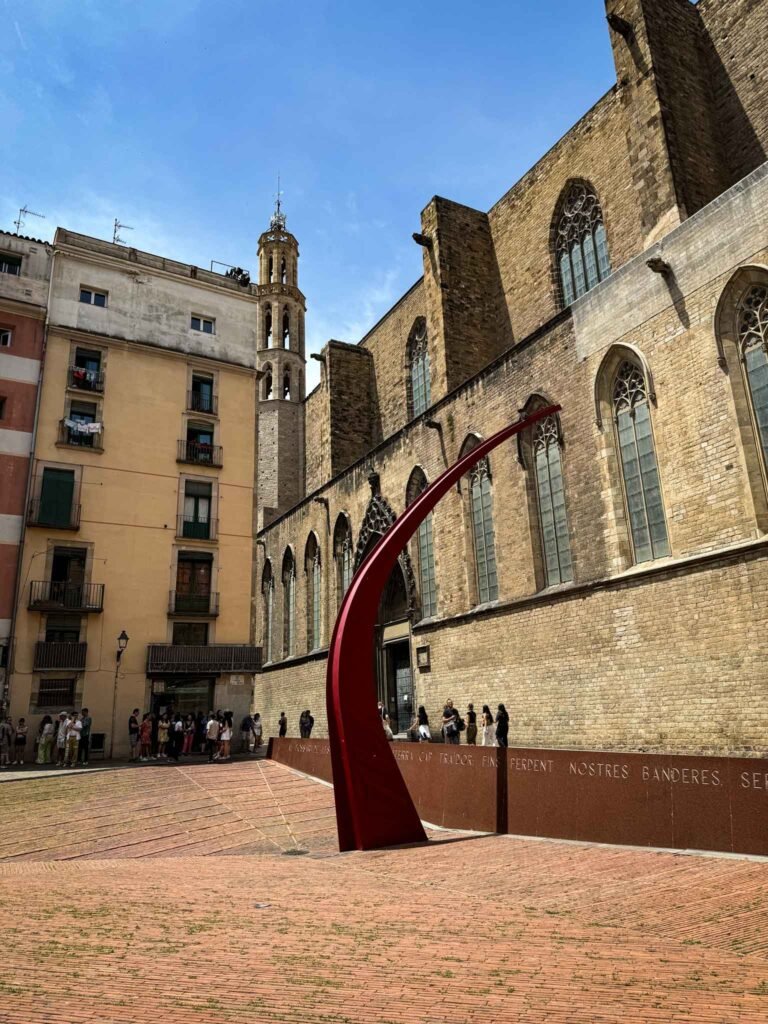
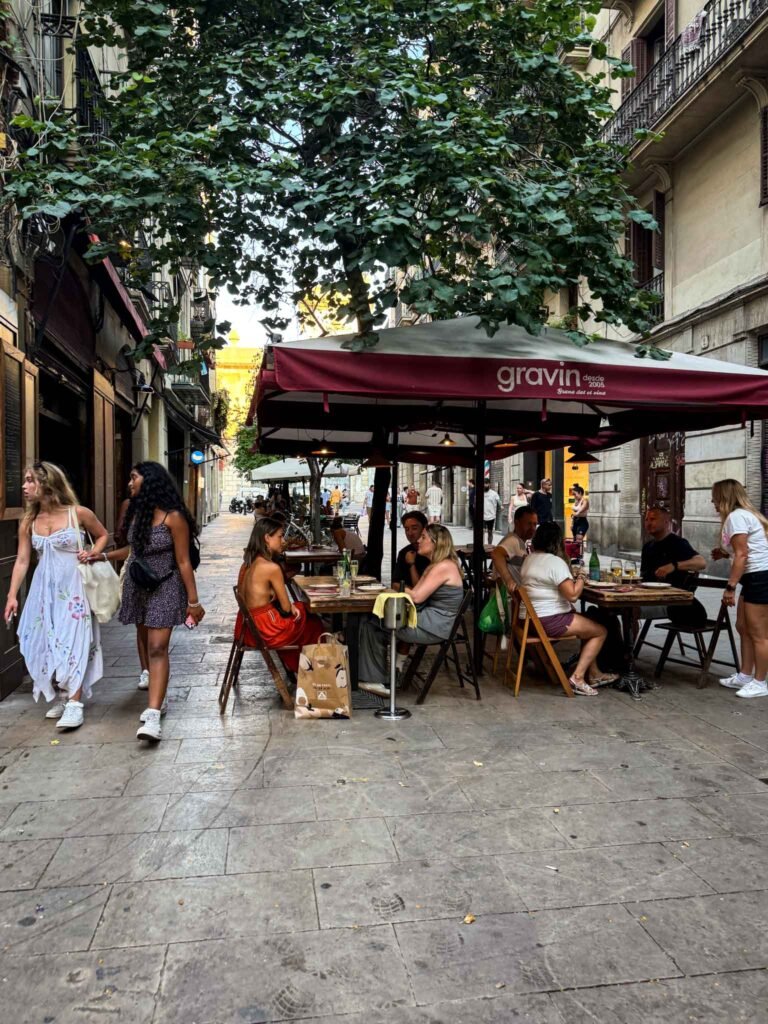
Walk through the neighborhood and make your way along Passeig del Born, then stop somewhere nearby for lunch. I wouldn’t over-plan here. There are plenty of tapas spots and small restaurants throughout the surrounding streets.
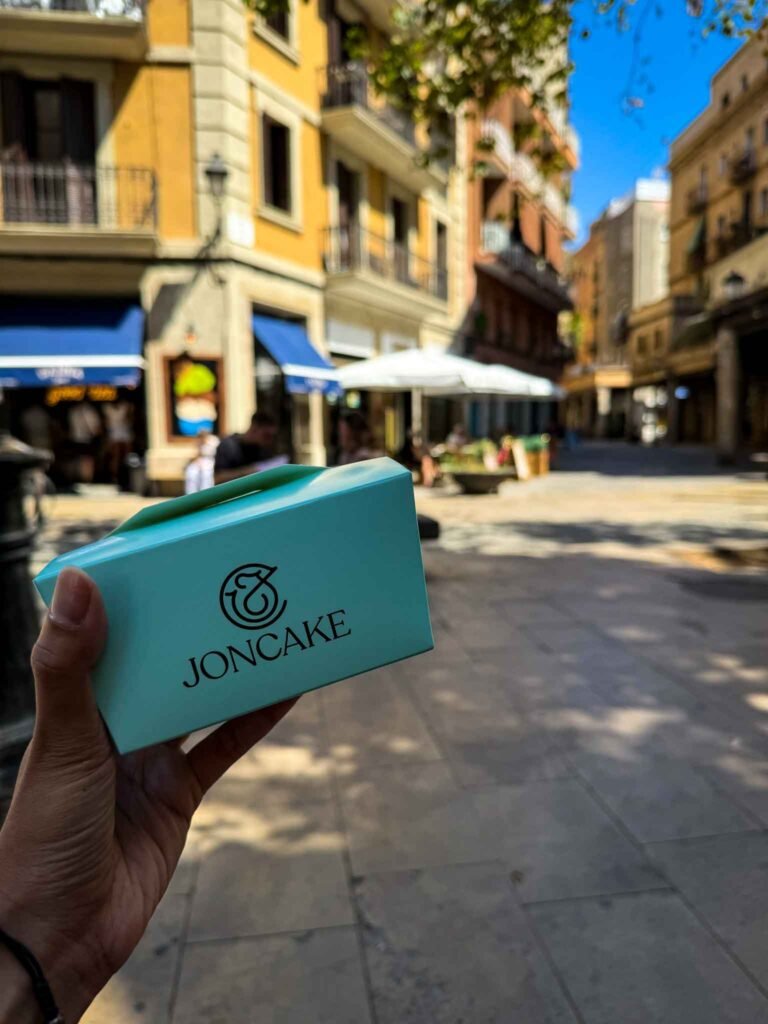
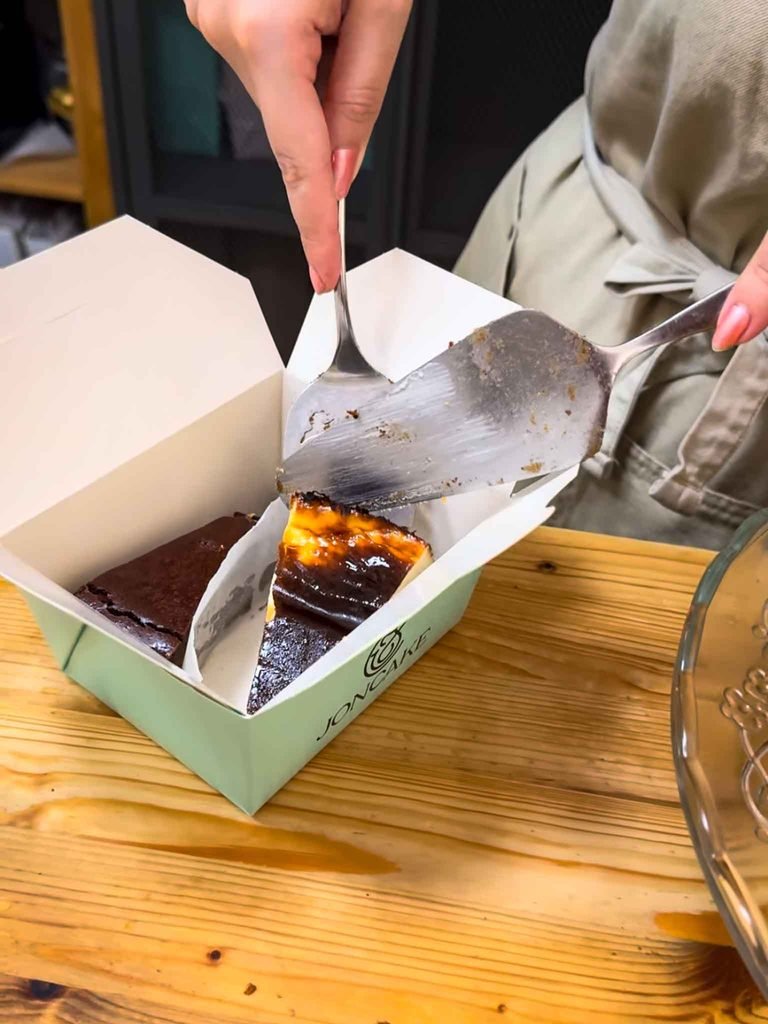
If you have a sweet tooth, one of my favorite stops in the neighborhood is 📍JonCake, which specializes in Basque-style cheesecake with different rotating flavors. There’s usually a line out the door, but I’ve happily waited in it more than once.
Afternoon: Arc de Triomf → Ciutadella
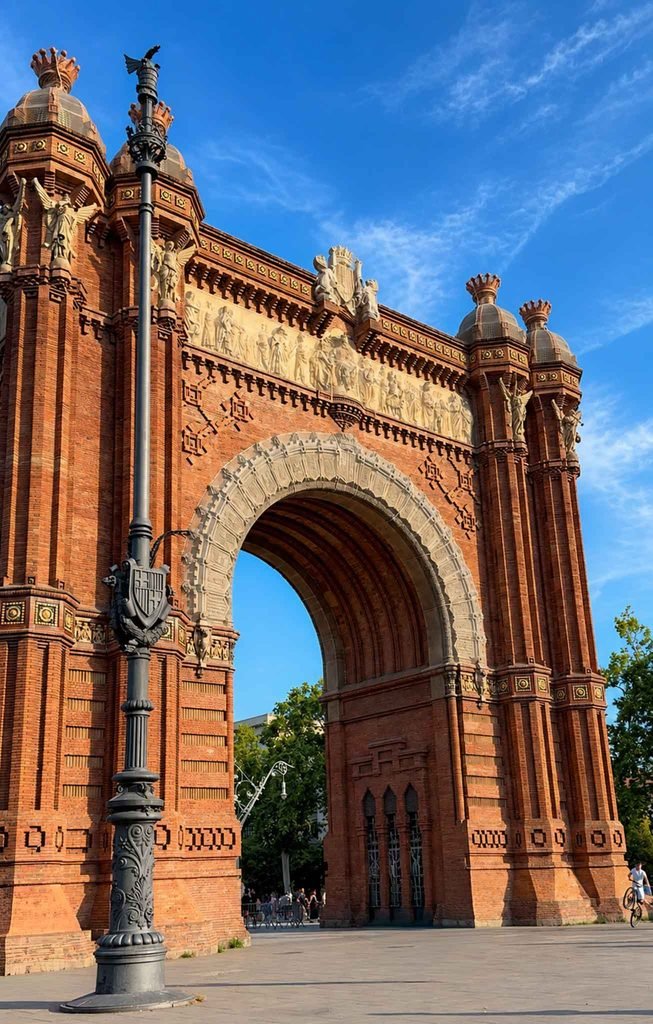
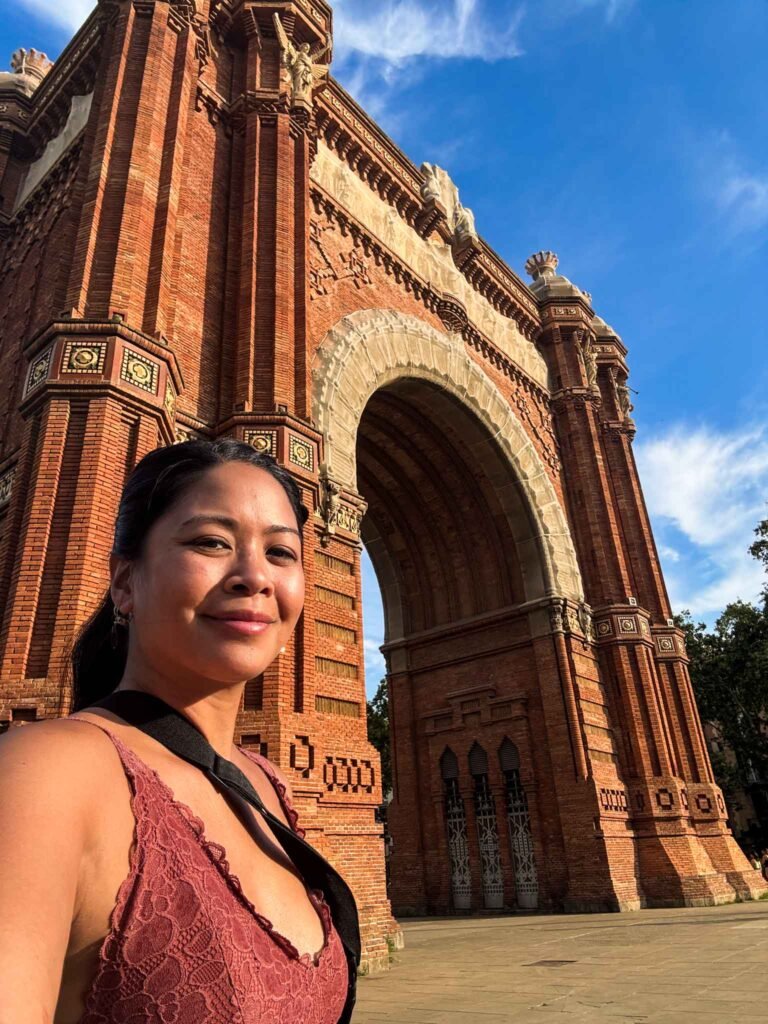
In the afternoon, walk on over to the 📍Arc de Triomf. This massive structure was historically the entrance gate to the Barcelona World Fair. If you look closely, you can see small shields lining the curve of the arch which represent the different provinces of Spain, and stone angels along the top.
While living in Barcelona, I always loved walking through the arch. Often times you’ll see musicians playing under or around it, which always made me feel like I was in a movie.
Enter through the arch and walk down 📍Passeig de Luís Companys. You’ll find various performers, vendors, and locals skating or biking through. As you continue down, you’ll eventually make it to 📍Ciutadella Park, one of the few green areas of the city.
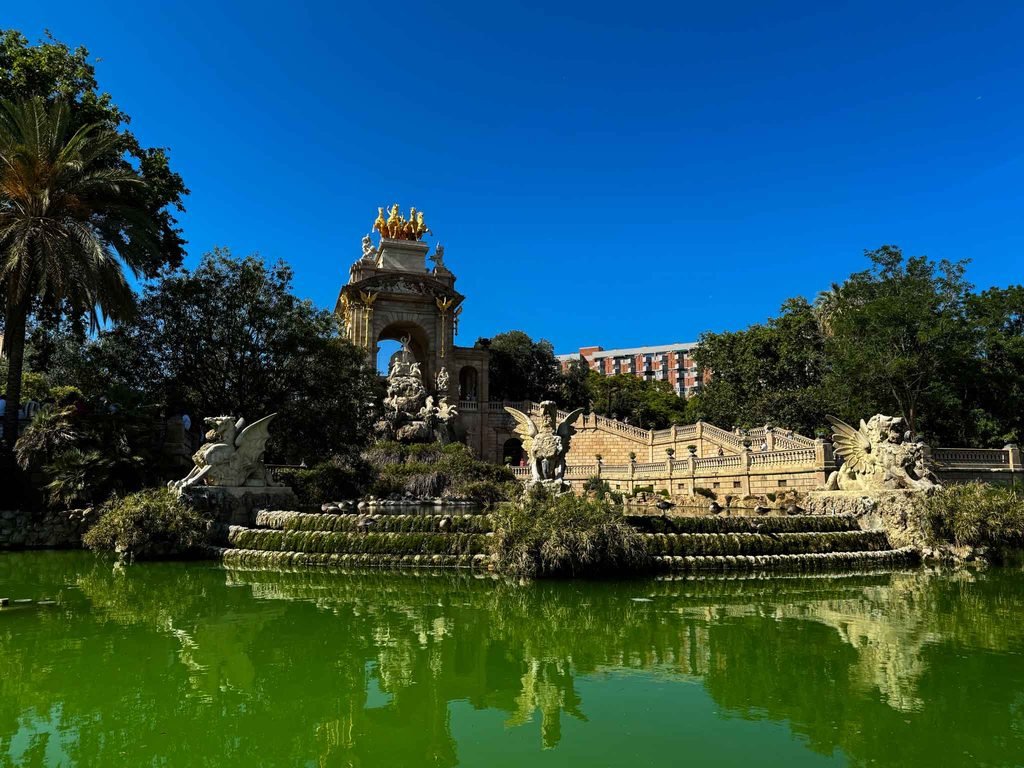
Since your morning was filled with sight seeing, take time to relax and take a break from the dense city streets. Go wander around the fountain, check out the various monuments, or stroll through the garden in front of the parliament building.
Marie’s Tip: Go dancing
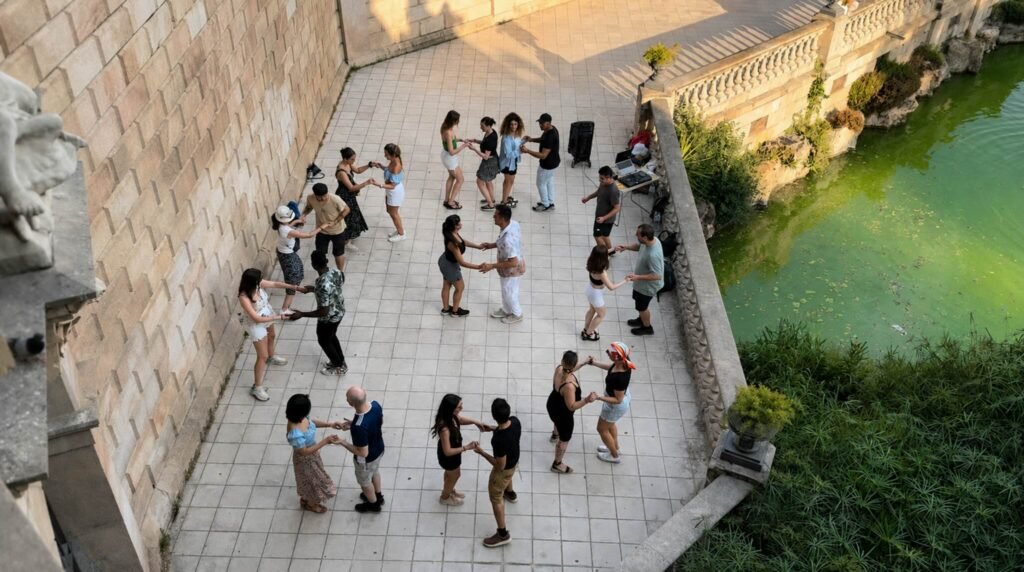
On weekends in the late afternoon, you can find dance groups near 📍Cascada del Parc de la Ciutadella. Salsa, Zouk, Bachata, you name it. What I love about it is that these events often have free workshops to learn the dance, and a free social to practice after.
Evening: Walk the Barceloneta waterfront (optional)
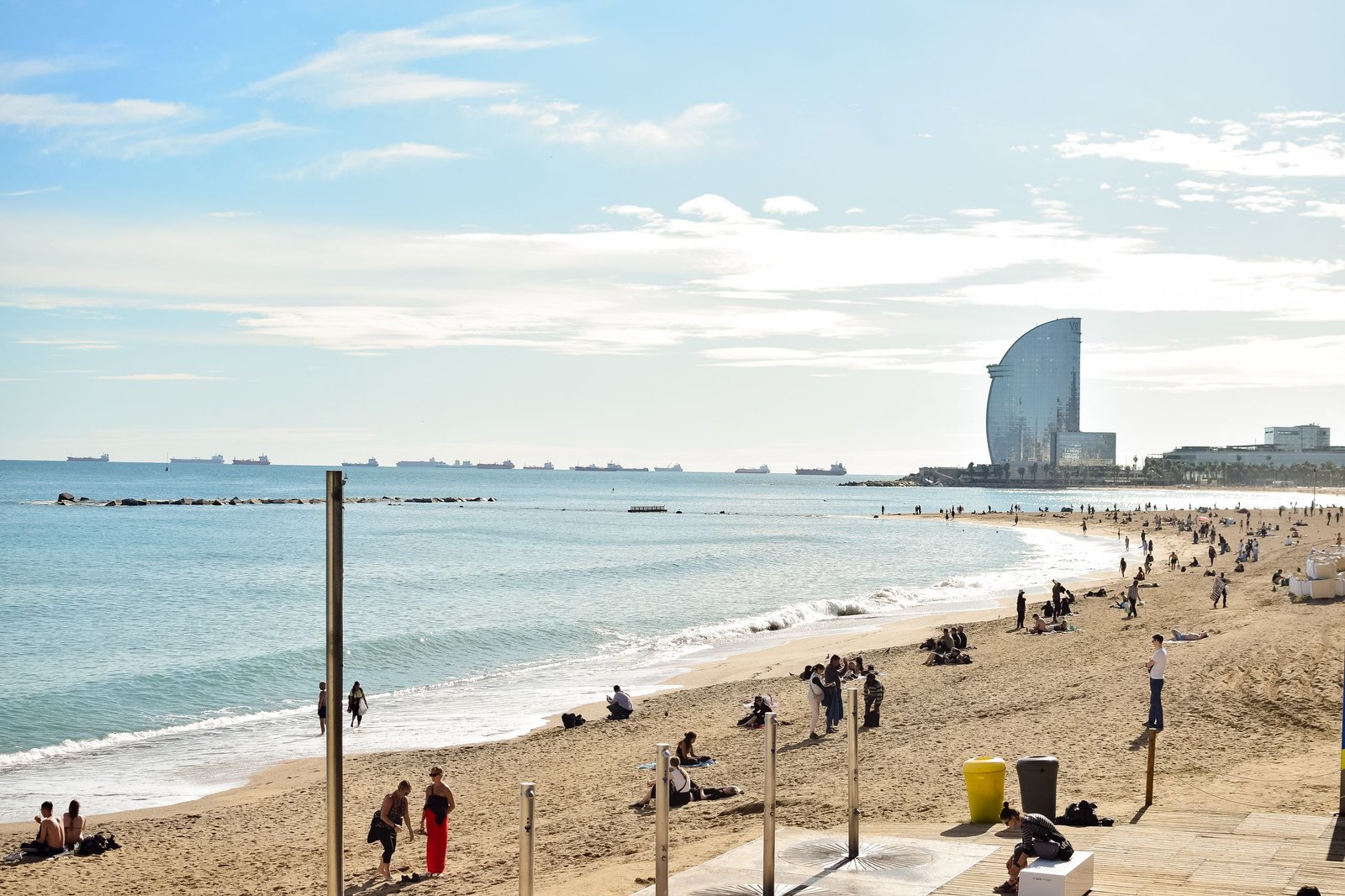
If you’re not completely worn out from walking, end the day with a stroll along Barcelona’s waterfront. Personally, I’d start around 📍Barceloneta and walk toward the 📍W Barcelona.
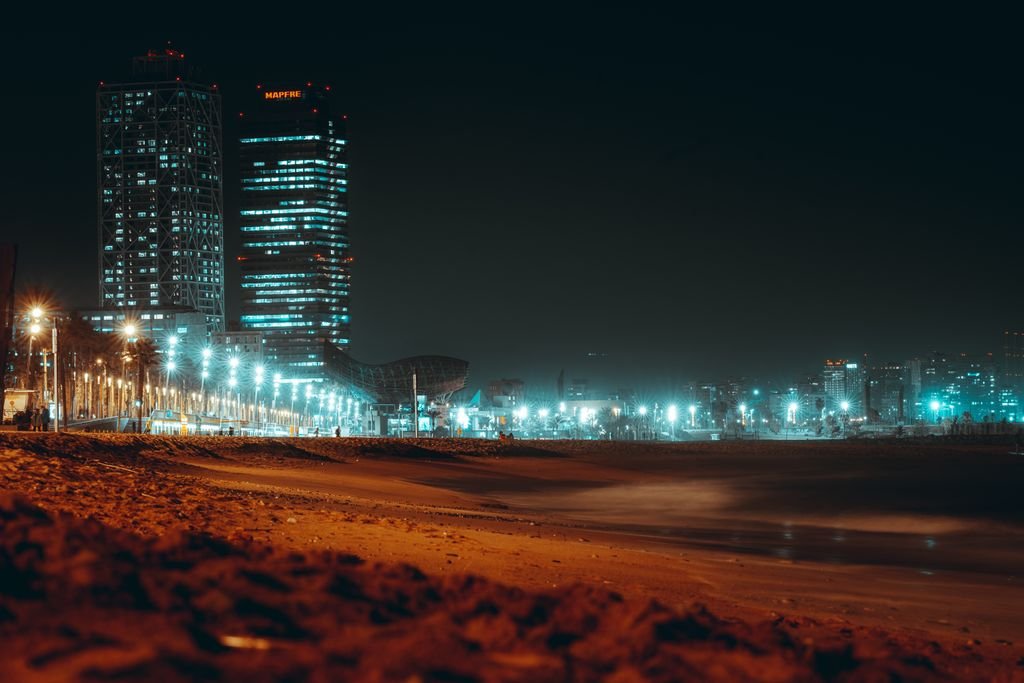
Barceloneta is one of the livelier stretches of the coast, but as you continue toward Sant Sebastià Beach, the atmosphere can start to feel a little more relaxed. It’s a nice way to slow down after a busy day while enjoying open views, palm trees, and the Mediterranean.
Day 2: Gaudí, City Views & Local Life
Day two takes you through some of Gaudí’s most famous work, gives you one of the best views over the city, and ends in Gràcia, where you can get a feel for a more local side of Barcelona.
Morning: Sagrada Familia
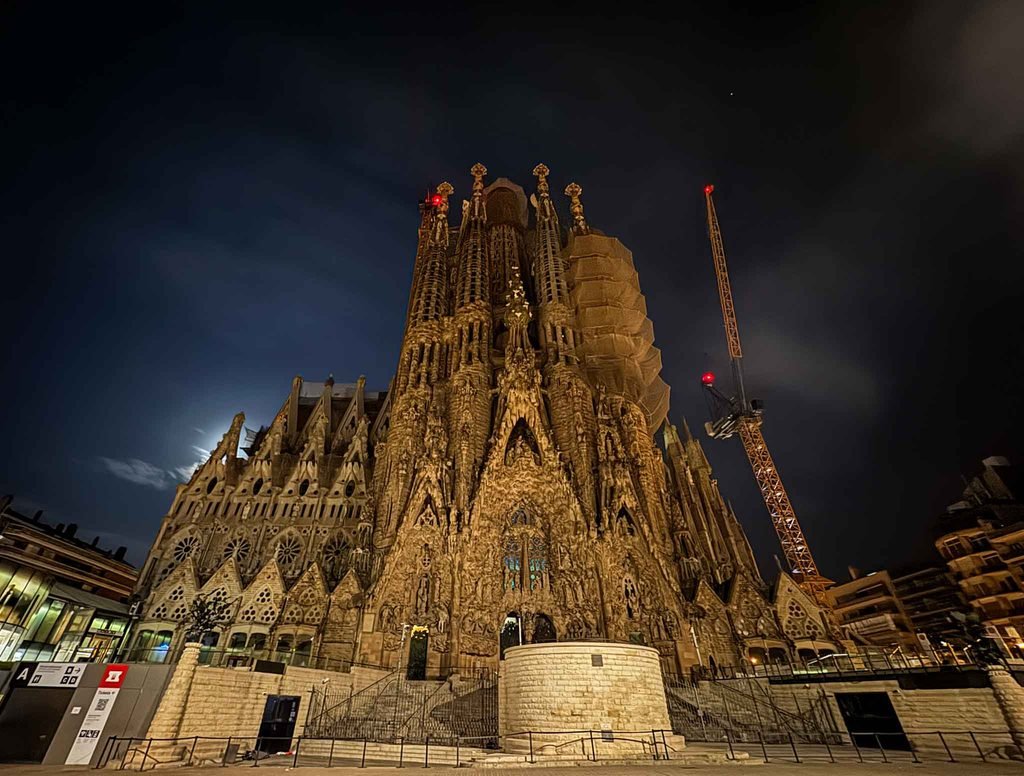
Sagrada Família is probably the most iconic landmark in Barcelona. Designed by Antoni Gaudí, it has been under construction for more than 140 years, which is part of what makes seeing it in person feel so surreal.
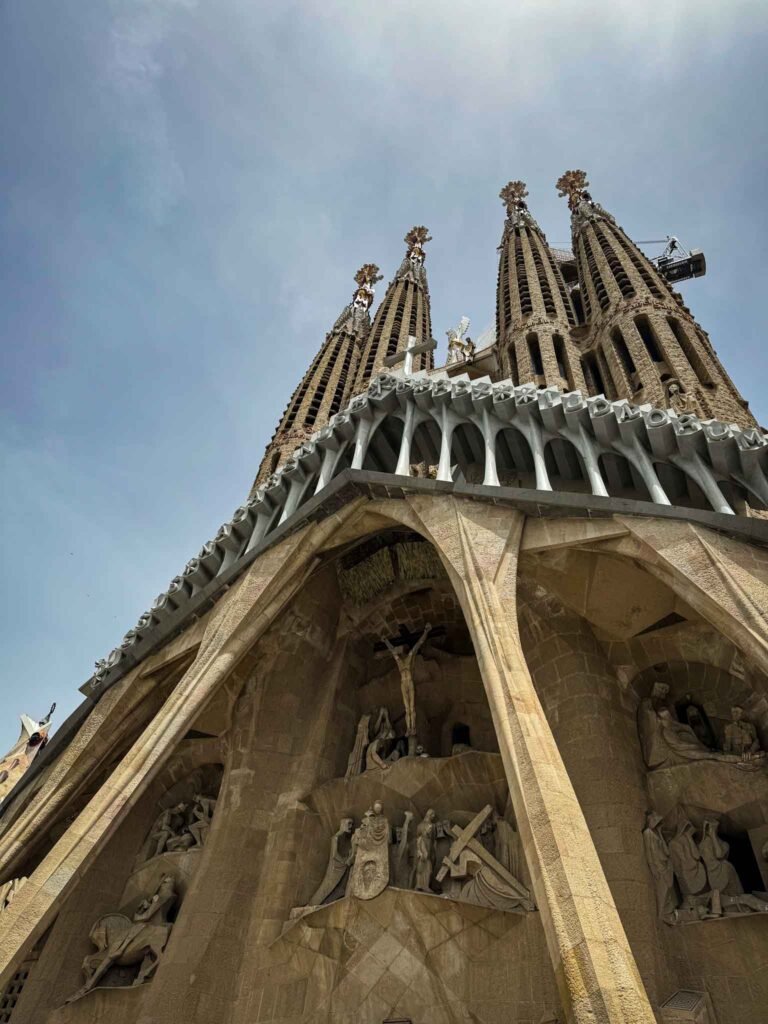
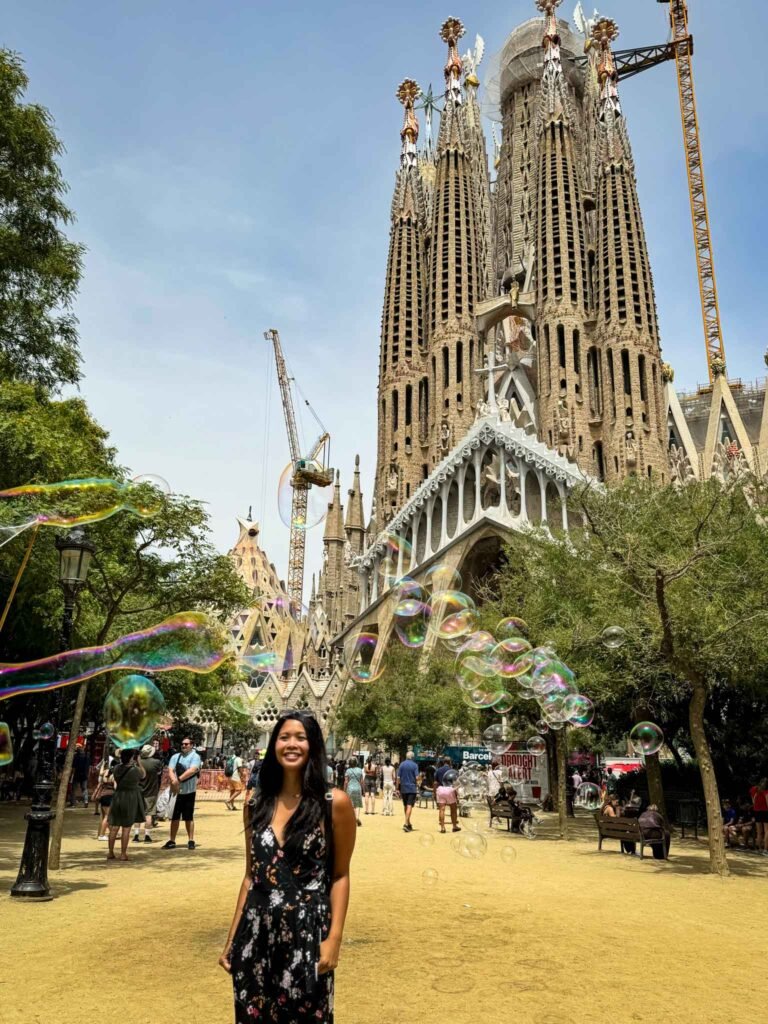
The basilica blends Gothic architecture and Art Nouveau, showing Gaudí’s best work from his naturalist period. You can see nature literally carved into the details: the organic shapes of the exterior facade, bronze doors with leaves and insects molded into them, and the interior pillars that stretch up like trees.

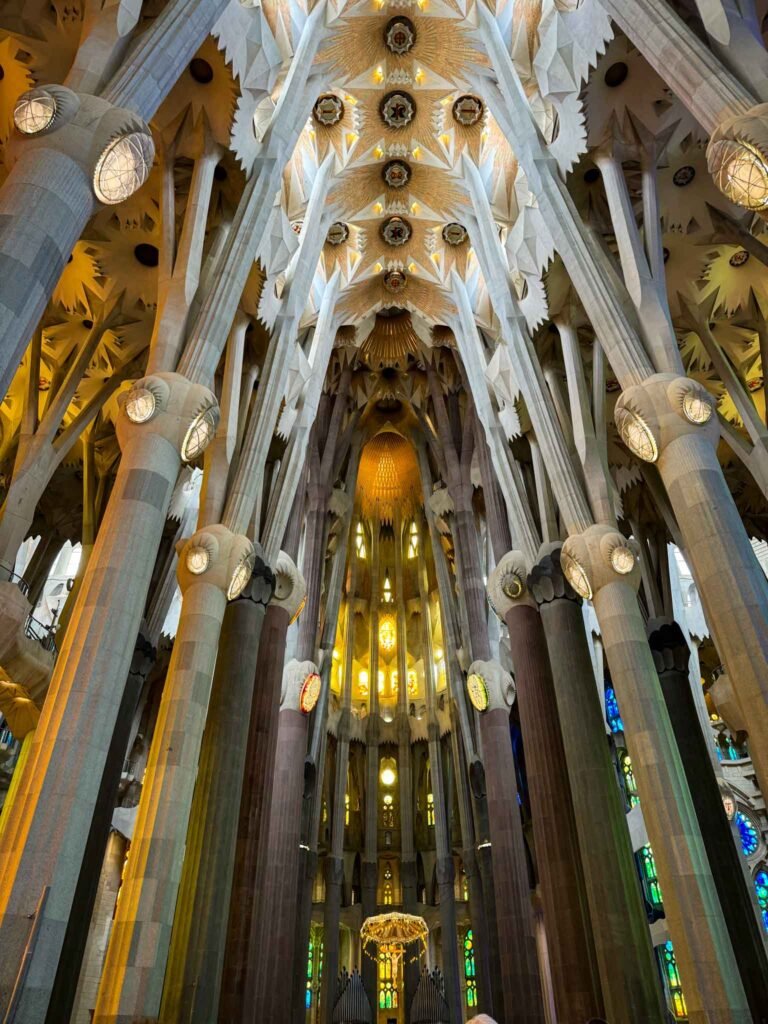
Is Sagrada Familia touristy? Yes. But you shouldn’t miss it. I’ve seen a lot of churches in my travels, and this is the first that truly stood out. Between the sculpted facades outside and the colored light pouring through the windows inside, no religious building has impressed me more.
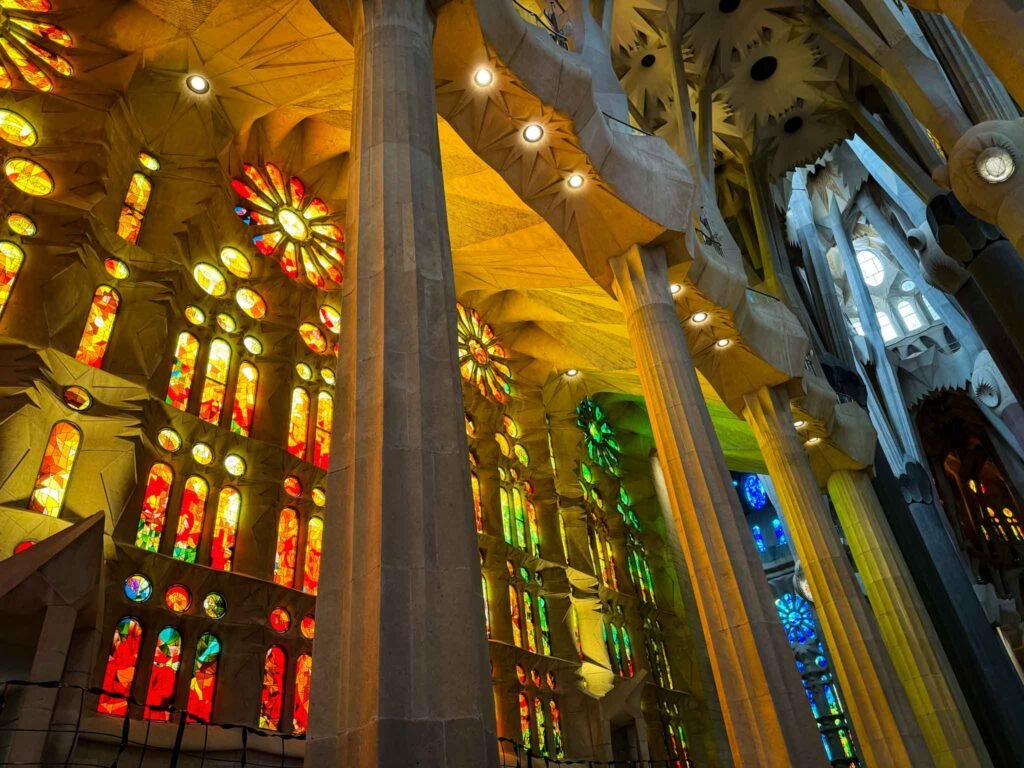
Make sure to book your tickets early, as they sell out weeks to months out. Official tours include an audio guide through their mobile app. If you can, I’d pick an earlier timed entry. Sagrada Família is crowded most of the day, but mornings give you the best shot at breathing room. Plan for at least 2 hours to admire this insanely intricate church. Find official Sagrada Família tickets here→
If you’d rather explore with a person than an audio guide, you can compare guided Sagrada Família tours here →
After Sagrada Família, don’t immediately race to the next spot. Grab a coffee or lunch nearby and give yourself a little time to reset before heading to Park Güell. If you’re into brunch, check out 📍Billy Brunch. The Eggs Benedict is phenomenal, and the Bloody Mary’s are nice and spicy.
Afternoon: Parc Güell
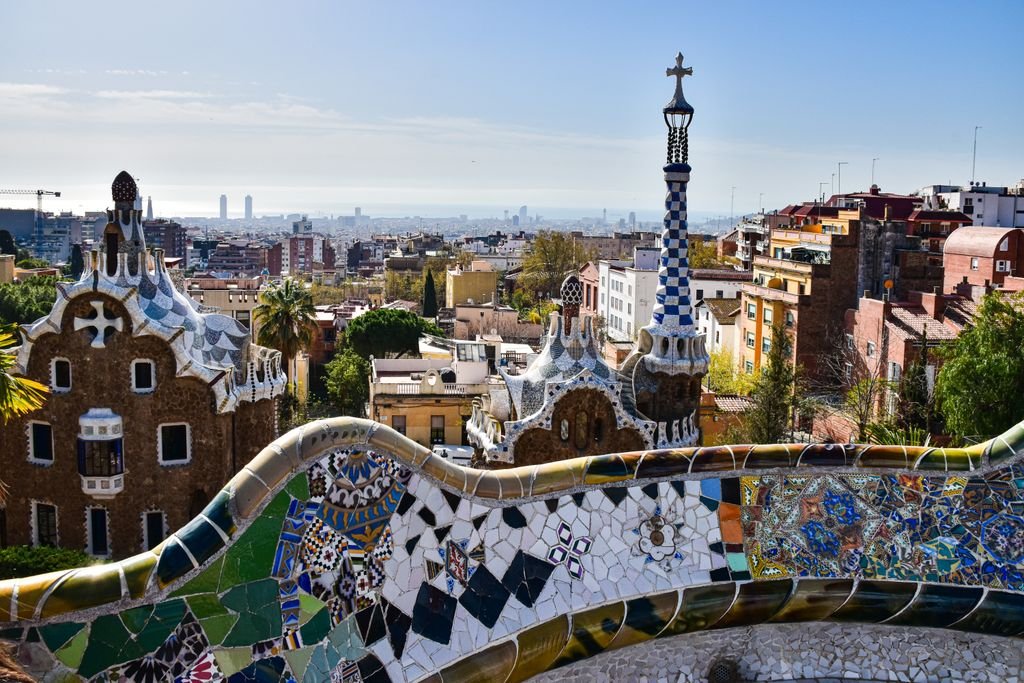
Once you’ve had some time to relax, head toward 📍Park Güell. The bus is usually the easiest option from this part of the city, and you can tap a contactless card or use Apple Pay/Google Pay if you don’t already have a transit pass.
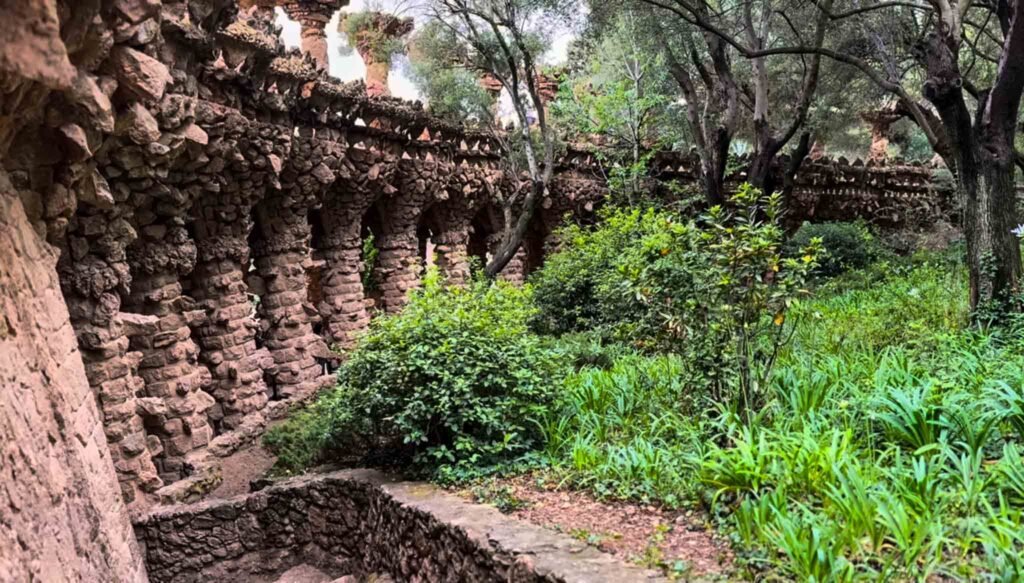
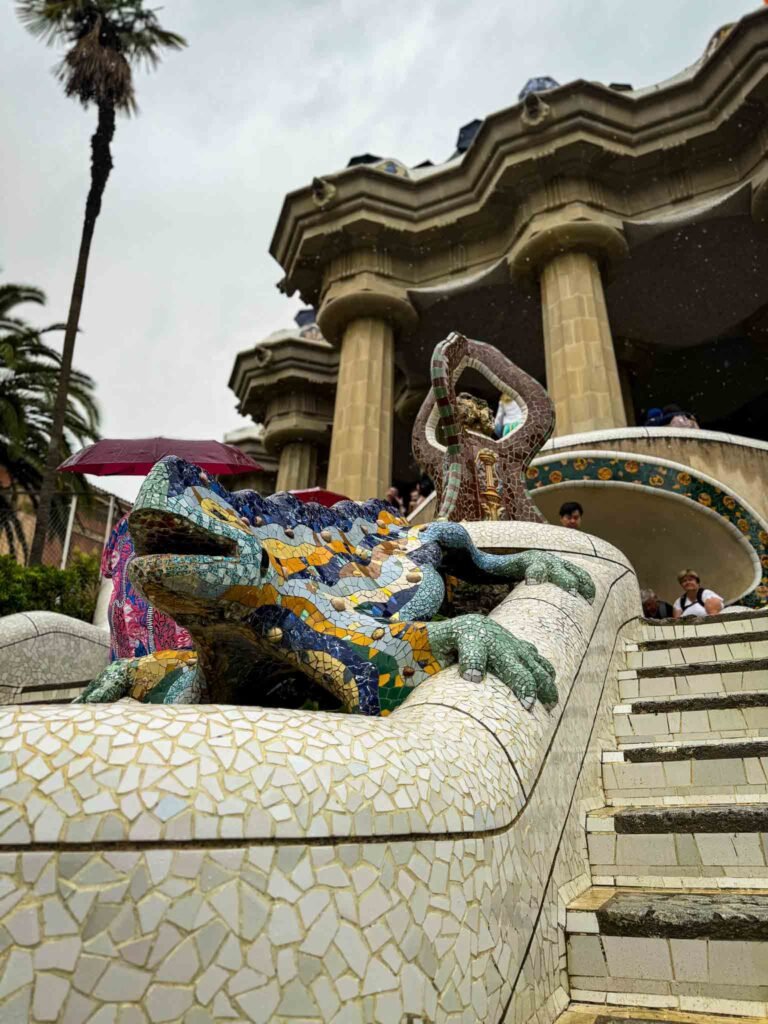
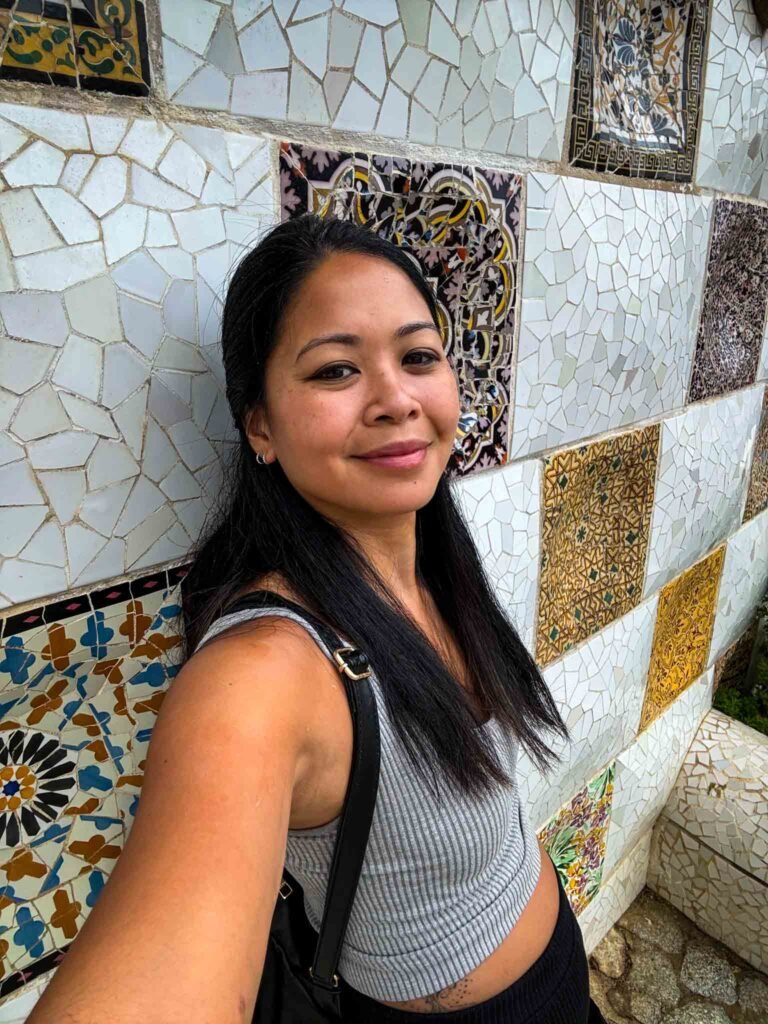
Park Güell is one of my favorite Gaudí sites because the architecture feels completely woven into the landscape. You’ll see huge stone arches and columns with organic shapes that almost seem to grow out of the hillside, then bright bursts of color in the famous trencadís mosaics.
You’ll want to book Park Güell in advance, since entry is based on timed slots again.
You can book Official Park Güell Tickets here→
Just so you know, some early morning and evening hours are reserved for local residents, but I love that. It’s a nice reminder that this is still a neighborhood park, not just a tourist attraction.
Marie’s Tip: Enter from the eastern side
The main entrance takes you straight toward the iconic Dragon Stairway, but it also puts you immediately into the busiest part of the park. Personally, I prefer entering from the eastern side and working my way downhill. You get some of the quieter stone arches and scenery first, then gradually reach the more famous mosaic areas.
I’d give yourself around 1.5–2 hours to explore, take photos, and actually enjoy the park. I bought the entry ticket and visited the park on my own, if you want more context on Gaudí’s design and the history behind the park, a guided tour may be worthwhile.
Late afternoon: Bunkers del Carmel
After wandering Parc Güell, take a bus up to Bunkers del Carmel. It’s pretty close, about 20 minutes by bus from the park with a hike afterwards. The trek is a bit steep, so make sure to wear good shoes and bring some water, but honestly it’s worth it. The bunkers gives you, in my opinion, the best panoramic views of the city.
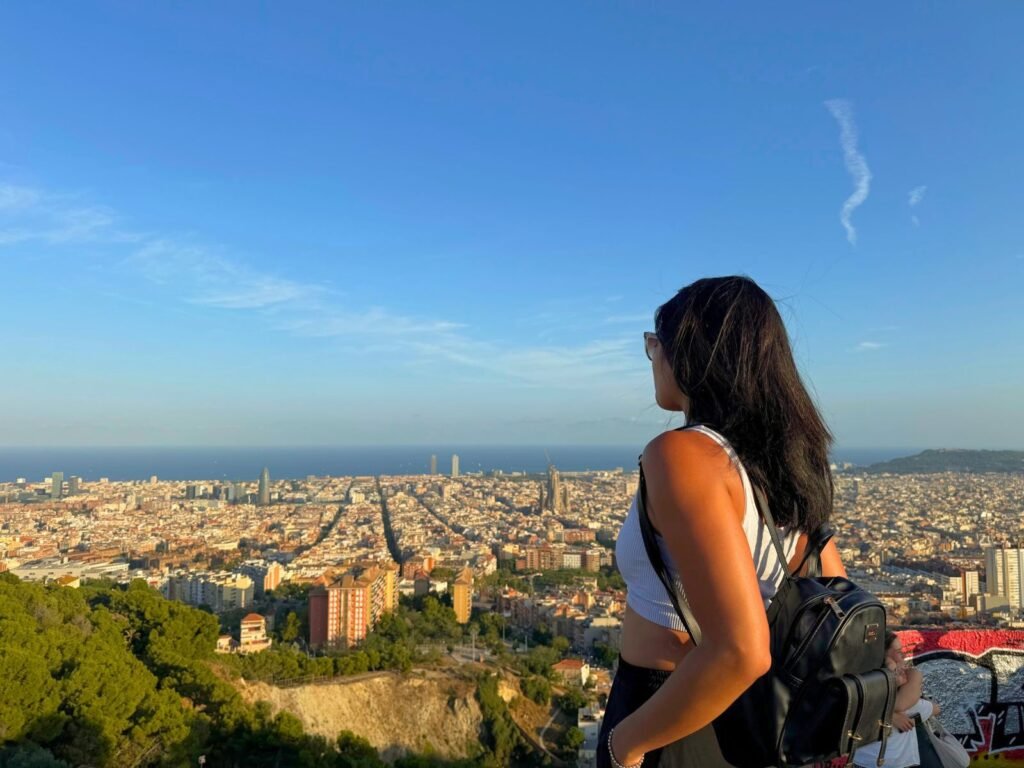
It’s particularly beautiful in late afternoon close to sunset, though the site closes around 7:30pm in the summer (make sure to check, as this changes seasonally) and the police will make you leave. That said, you can still catch a bit of that sunset as you head down the hill.
Evening: Experience Gràcia
To end day two, head down into 📍Gràcia and spend the evening somewhere that feels a little more local. This part of the day is less about seeing major sites and more about simply existing like a Barcelonan for a few hours. Enjoy the smaller streets, find a plaza, and slow down.
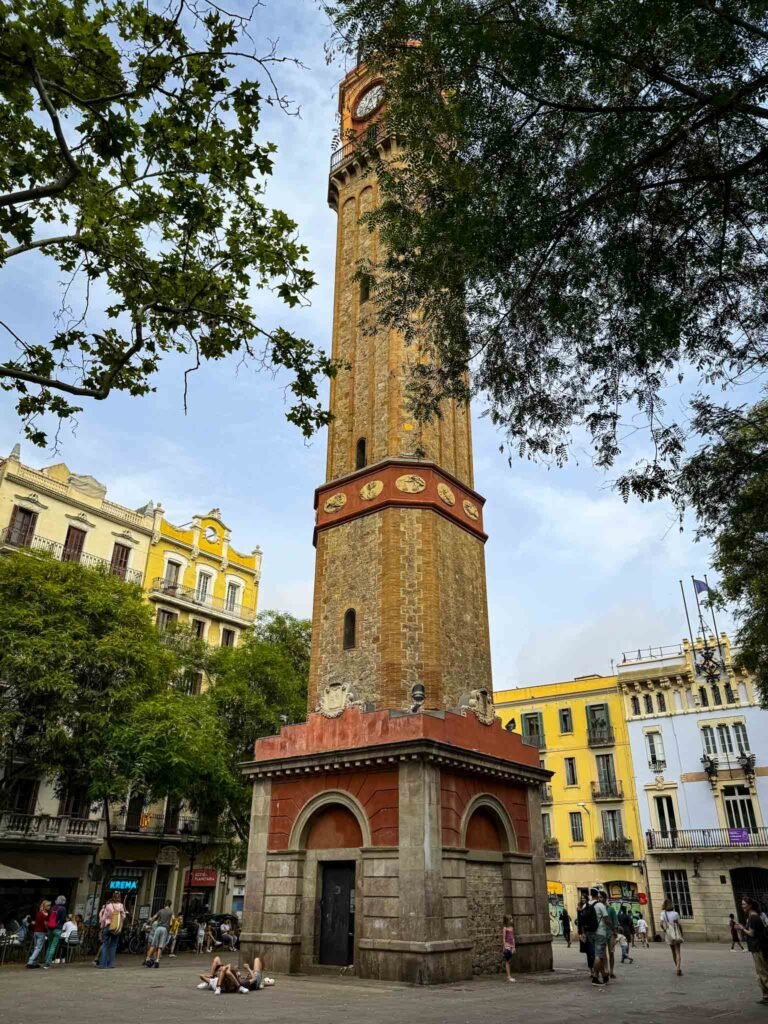
A few good plazas to check out are 📍Plaça del Sol and 📍Plaça de la Vila de Gràcia, where a large clock tower sits in the middle of the square (this ones my favorite). In the evenings, you’ll see families, groups of friends, and people of all ages gathered outside.
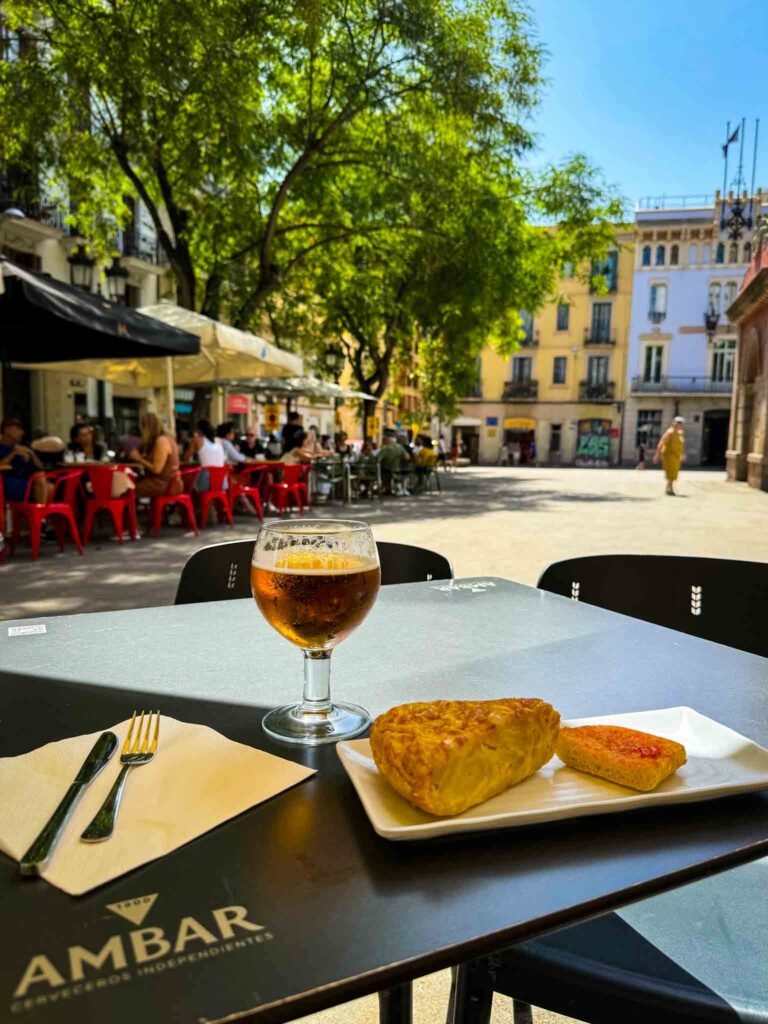
I recommend doing what the locals do: grab a table at a terraza, order a caña (a small draft beer) or a glass of wine, maybe a few tapas, and people-watch for a while.
If you want a dinner recommendation for the neighborhood, 📍La Pepita is one of my favorites. I’ve gone back several times and have taken visiting friends there too. The tapas menu has plenty to try, and there’s usually a line out the door, so a reservation helps.
Day 3: Passeig de Gràcia, La Rambla & Montjuïc
The last day of the 3 day Barcelona itinerary takes you through some of Barcelona’s larger central streets before heading toward one of its most famous market and eventually slowing down on Montjuïc.
Morning: Walk down Passeig de Gràcia
Start around 📍Casa Milà (La Pedrera) and make your way south along Passeig de Gràcia.
You’ll pass two of Gaudí’s most recognizable buildings, Casa Milà and Casa Batlló. Both are worth admiring from the outside, but since day two was Gaudí-heavy day, I wouldn’t feel obligated to tour either unless you’re really interested in architecture. There’s such a thing as Gaudí fatigue, and sometimes seeing less actually helps you appreciate his work more.
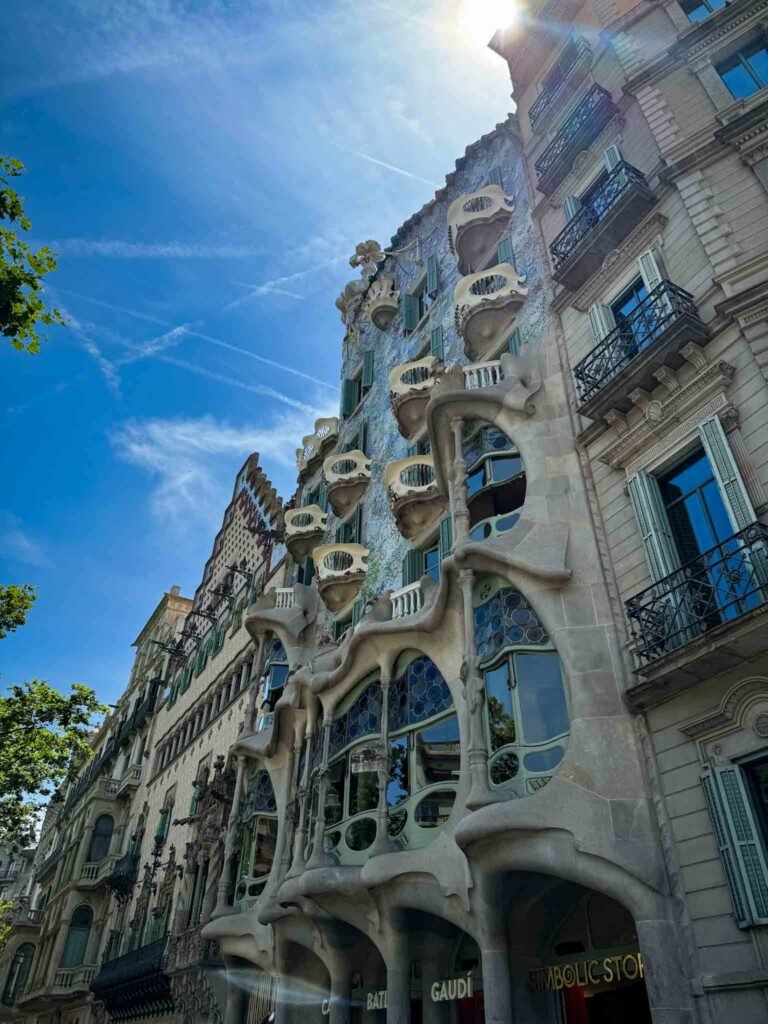
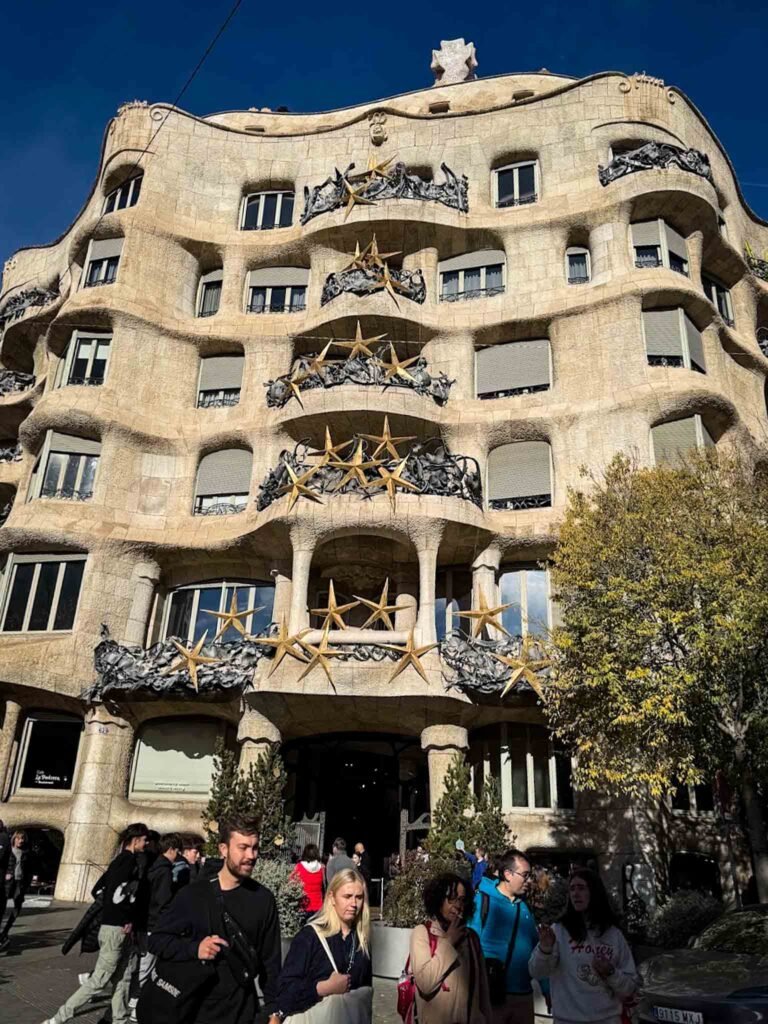
Passeig de Gràcia is one of Barcelona’s main shopping streets, so this is an easy place to browse if that’s your thing. Continue south until you reach 📍Plaça Catalunya, then walk down La Rambla toward 📍Mercat de la Boqueria.
La Rambla is touristy, but I still think it’s worth walking once on a first visit. You’ll pass flower stalls, cafés, performers, souvenir shops, and plenty of street life. Just keep an eye on your belongings here. La Rambla is one of Barcelona’s busiest areas and pickpocketing is common, so keep your phone and wallet somewhere secure.
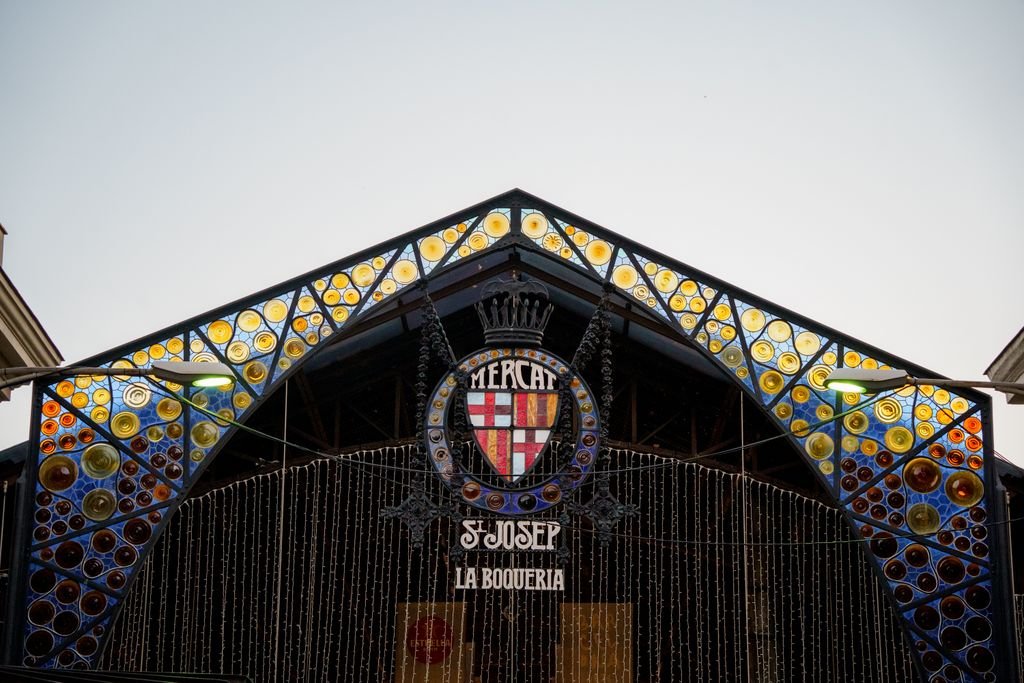
Eventually you’ll reach La Boqueria. Coming from the U.S., I found markets like this pretty cool because we just don’t have the same kind of large food-market culture in most American cities.
As soon as you walk in, you’re immediately hit with color, smells, and rows of food everywhere. There’s everything from towers of colorful fruit and fresh juices to seafood, meat, sweets, and counters where you can grab something to eat. Even if you don’t plan to eat here, it’s worth wandering the aisles to see what’s being sold.

Afternoon: Montjuïc & Sunset Views
After La Boqueria, take the L3 metro to 📍Plaça d’Espanya and start walking toward Montjuïc.
From the plaza, head up Avinguda de la Reina Maria Cristina toward the 📍Palau Nacional. Along the way, you’ll pass the 📍Magic Fountain of Montjuïc and the 📍Four Columns, with the museum rising above them.
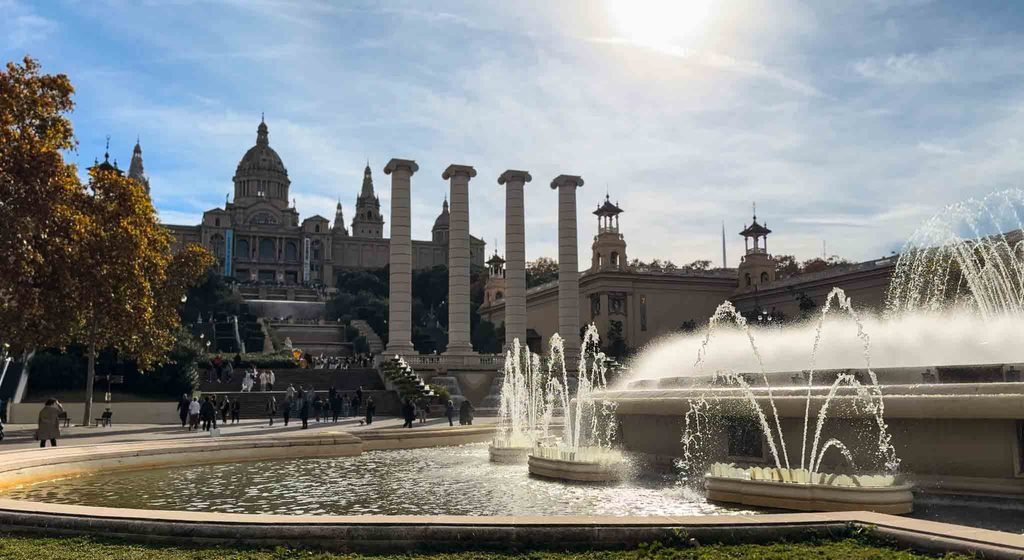
Keep walking up toward the Museu Nacional d’Art de Catalunya (MNAC). Even if you don’t plan to go inside, I think the walk is worth it for the architecture and views back over the city.
If you enjoy art, you can visit the museum. Admission is currently free on Saturdays after 3pm and the first Sunday of each month, although I’d reserve the free ticket in advance.
If you’d rather not be in a crowded building, wander through the nearby gardens and paths and slow the pace down a little. Montjuïc is a nice place to explore without needing a strict plan.
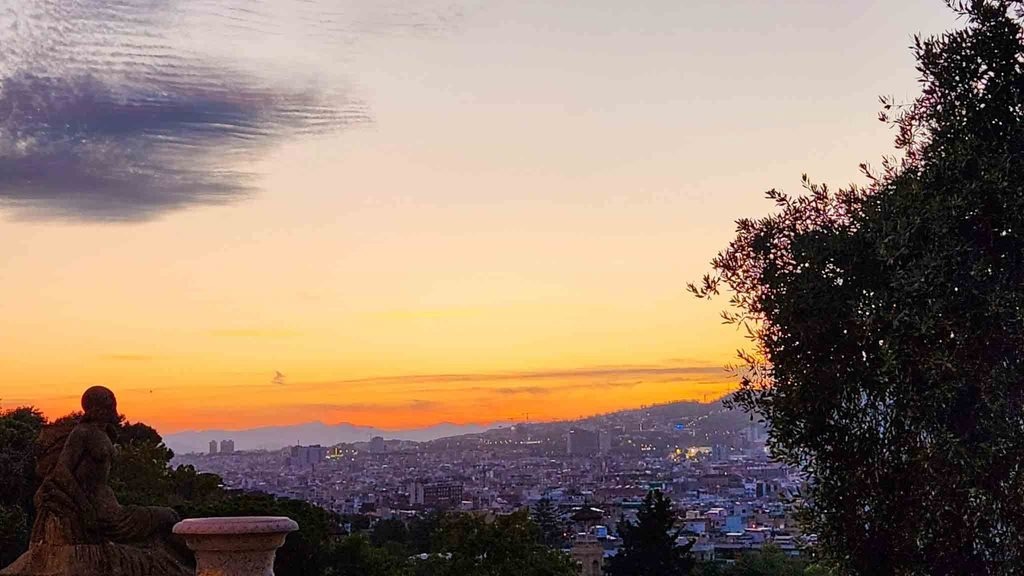
I’d finish the day on the Palau Nacional stairs for sunset. The view back toward Plaça d’Espanya is beautiful, and there’s usually someone performing music around sunset too. After a full day of walking through central Barcelona, it’s a good place to stop and just take it all in.
Day 4: Montserrat Day Trip from Barcelona
If you’re spending more than three days here, this Barcelona Spain itinerary starts to expand beyond the city. At this point, I’d spend a day exploring more of Catalonia.
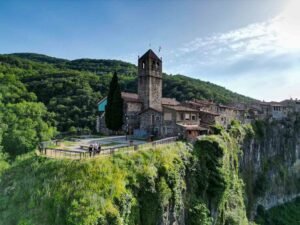
One of my favorite day trips is Montserrat, where you get a really unusual mix of mountains, hiking, and religious history. I’ve been twice, once by car and once using public transportation.
The landscape is what first got me. These huge, rounded rock formations rise dramatically around the monastery, making the whole place feel completely different from Barcelona.
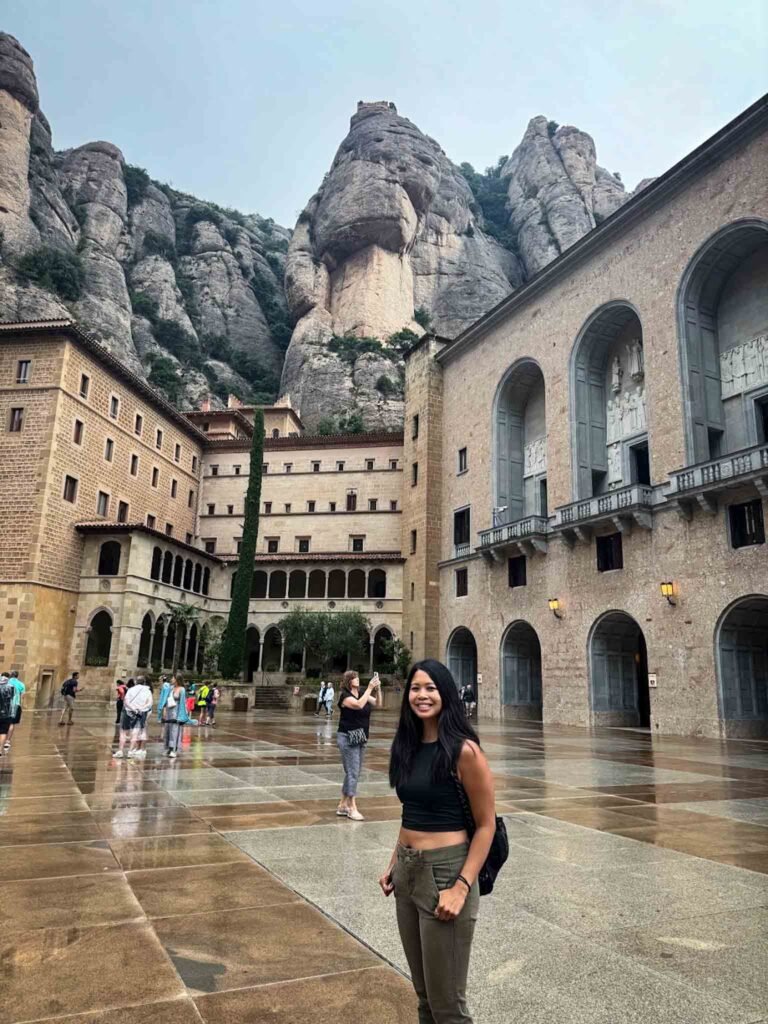
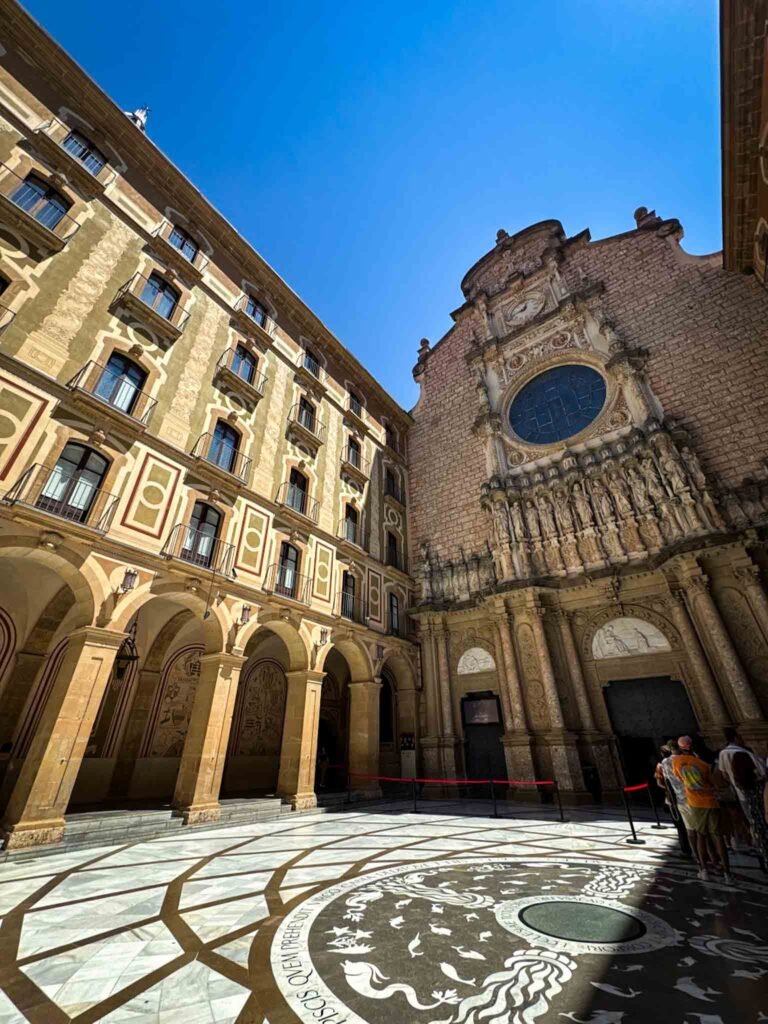
The Santa Maria de Montserrat Abbey is the main attraction, along with the famous Black Madonna inside. And while these were cool to see, the setting is just as memorable as the monastery itself.
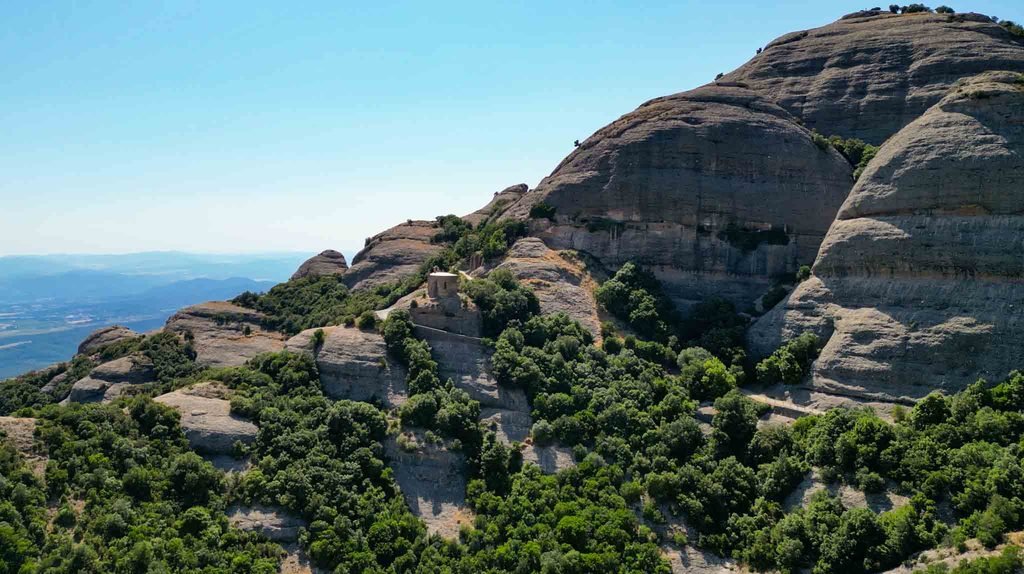
What I really liked was exploring beyond the main complex. There’s hiking trails that lead farther into the mountains, past viewpoints and small chapels tucked into the rocks. I followed a couple of the trails and loved how quickly you could leave the busier monastery area behind and end up with huge views over the valley.
A cool option here is that you can actually stay overnight right at the monastery. If you want more time to hike or experience Montserrat after the crowds leave, Hotel Abat Cisneros is a good option to enjoy the area in the quieter evening and early morning hours.
How to get to Montserrat
Montserrat is easy to visit on your own from Barcelona by public transportation (train + cable car), or by car.
If you’d rather not plan the transportation yourself, a guided day trip is also a good option, especially if you want to combine Montserrat with hiking, wine tasting, or another stop.
Want to leave logistics to someone else? Check out these options:
Day 5: Take a Beach Day in Sitges
If you have five days in Barcelona, I’d use Day 5 for a slower coastal day in 📍Sitges. Sitges was one of my favorite places to visit when I wanted some beach time without spending the entire day lying on the sand. You can wander through the old streets, browse small boutiques, stop for lunch, and still have plenty of time by the water.
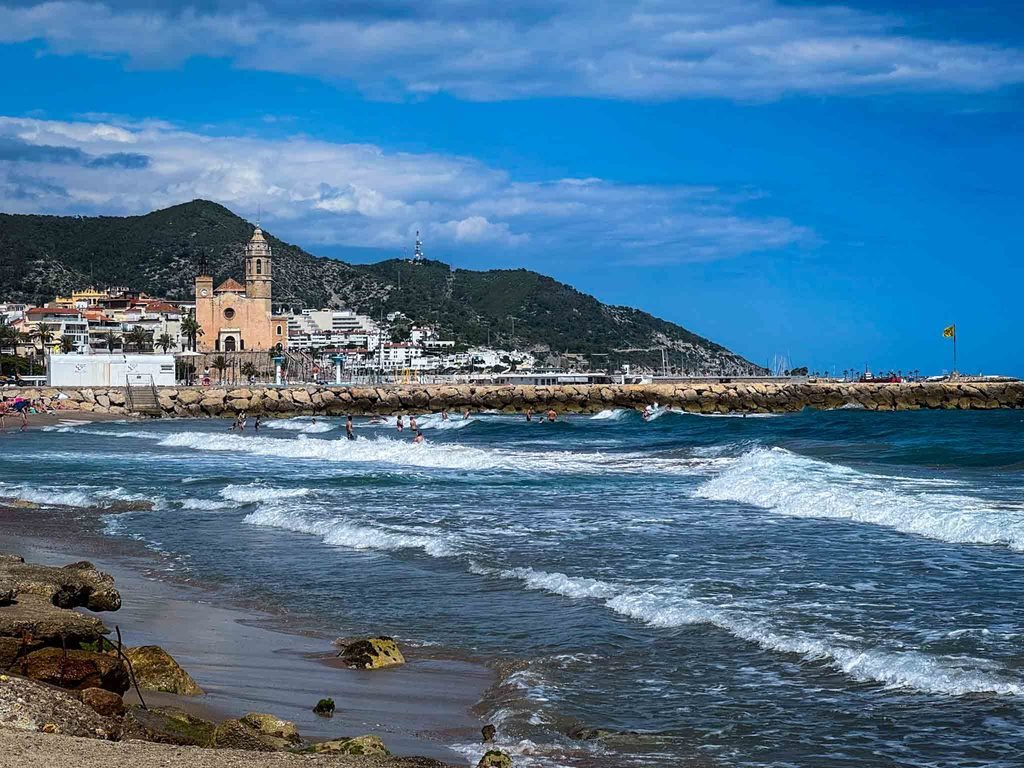
What I like most is how easy it is to mix both. The coastline is beautiful, with the church rising above the beach and the old town just behind it, so the town still feels worth exploring even if you’re not a huge beach person.
It’s an easy train ride from Barcelona, so you don’t need to turn it into a big excursion. Spend a few hours wandering, have a long lunch, relax at the beach, then head back to the city when you’re ready.
Days 6–7: Take a Costa Brava Road Trip
If you have a full week in Barcelona, this is when I’d go farther north up the coast and turn the last couple of days into a Costa Brava road trip.
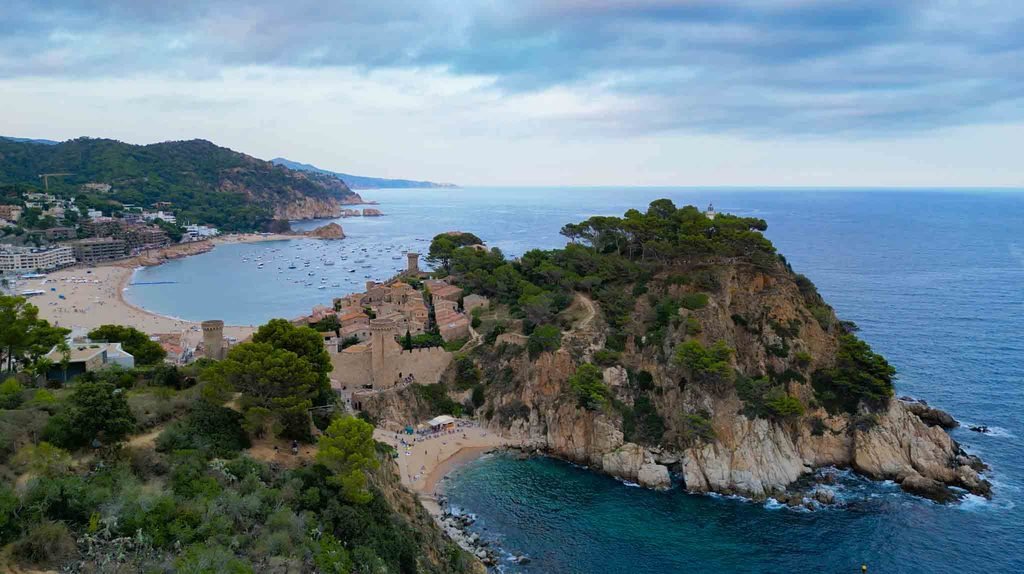
The Costa Brava is filled with beautiful Catalan towns, and each one has a slightly different vibe. Some are more historic, some are more beach-focused, and some feel much quieter and more remote than Barcelona.
A few of my favorites are Girona, Tossa de Mar, and Cadaqués. Girona is great for historic streets and architecture, Tossa de Mar has a beautiful walled old town right along the coast, and Cadaqués feels more secluded and scenic, with whitewashed buildings and a much more relaxed atmosphere.
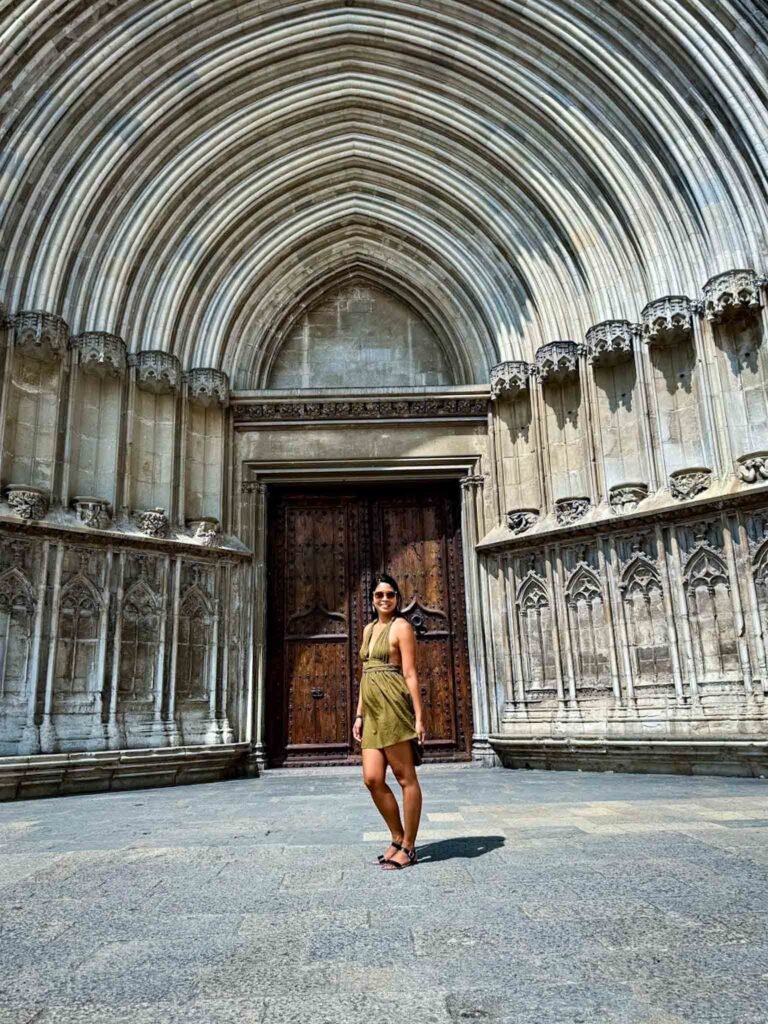
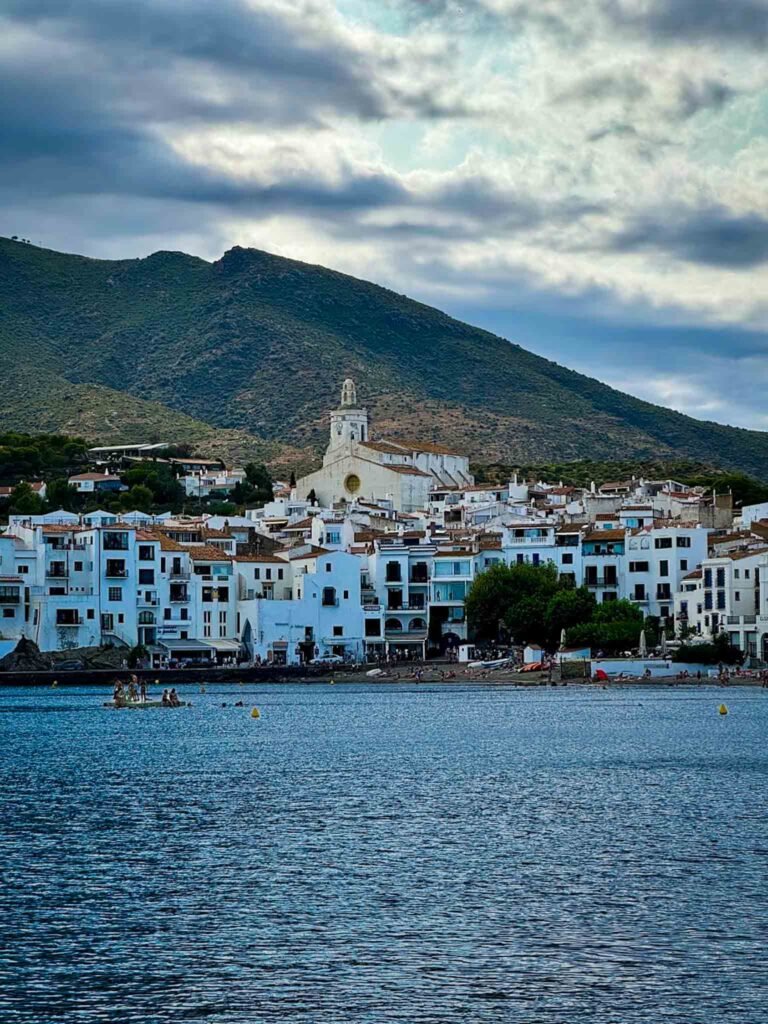
I enjoyed renting a car in Barcelona and driving to the various towns over a few days. It gave me the flexibility to stop where I wanted, stay longer in places I liked, and avoid planning around tour schedules.
Check rental car prices for Barcelona →
If you’d rather not deal with driving in a foreign country, or you only have one day, there are also guided tours from Barcelona that take you directly up the coast.
Don’t want to drive? These Costa Brava tours leave from Barcelona:
Where to stay in Barcelona?
For first time visitors, there’s a few areas that I’d recommend based on walkability to major sites and how easy it is to get to a metro.
El Born: Best if you want to step outside into restaurants, historic streets, and nightlife. It’s especially convenient for the Gothic Quarter, Ciutadella Park, and the waterfront.
Eixample (around Passeig de Gràcia): Probably the most practical choice for a first trip. You can walk to Casa Batlló, Casa Milà, Plaça Catalunya, Gràcia, and even Sagrada Família depending on where you stay. Metro access is super easy from here.
Use the map below to compare hotels across these neighborhoods based on your dates and budget. I’ve added the sites on this itinerary for location reference.
Find a Hotel in Barcelona
How to get around Barcelona?
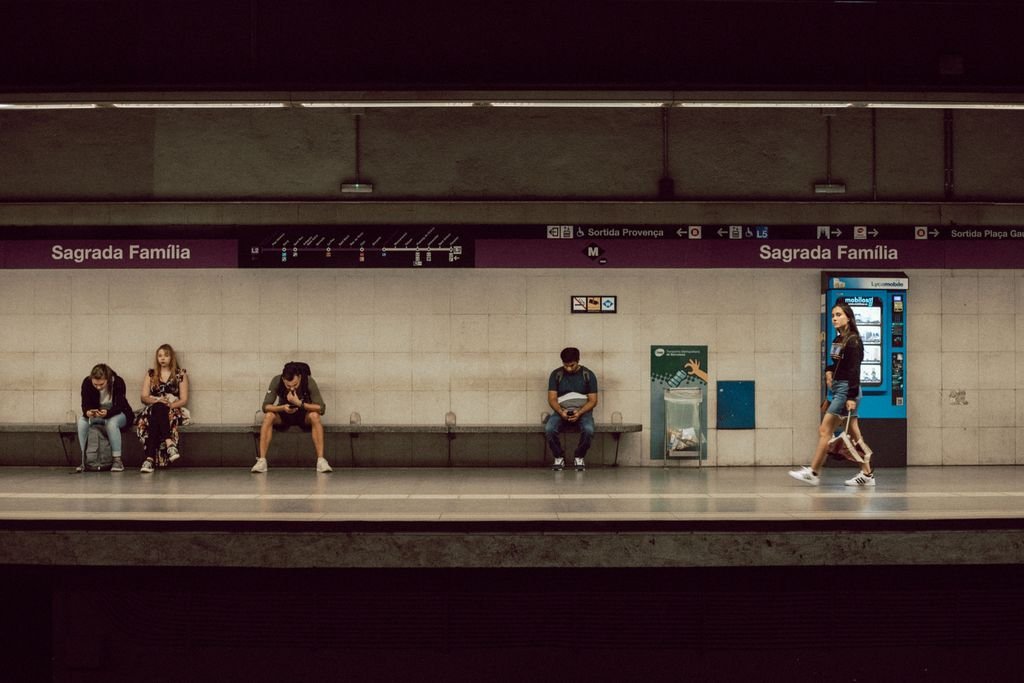
Barcelona is an extremely walkable city. Much of it is fairly flat with wide sidewalks, pedestrian-friendly streets, and ramblas that make walking between neighborhoods pretty enjoyable.
It’s also well connected by public transportation. Between the metro and buses, you can get virtually anywhere you’ll need to go as a tourist. I usually walked whenever I could, then used public transit for longer distances or when the weather dictated it.
Is Barcelona Safe?
I choose to live in Barcelona for months at a time, so I think it’s safe compared to most cities. I tend to walk on my own, even at night, and take transportation while based here.
The main thing I’d be careful about is petty theft and pickpocketing, particularly in crowded tourist areas like La Rambla and around busy transit hubs. I’d keep your phone and wallet secure when walking around, and never leave your valuables on a table or in an open bag. It’s good to be more situationally aware if you’re going to the big tourists sites, because that’s where pickpockets happen — when people are distracted by sightseeing or crowds.
Planning a trip to Barcelona?
🛌 Book a hotel: Booking.com, and Expedia
👓 Book local tours: Viator, and GetYourGuide
🚘 Rent a car: Discover Cars
📱 Setup international data Airalo
🏥 Travel insurance: IMG for vacations, SafetyWing Nomad for longer stays
FAQ-s About Barcelona
READ MORE ABOUT BARCELONA
Looking for more information about Barcelona? Here’s some further reading that may be helpful for your trip:
📓 Trying to figure out how to plan your trip? Check out Barcelona Itinerary: How I’d Spend 3–7 Days in Barcelona
🏨 Trying to figure out where to stay in Barcelona? Check out Barcelona Neighborhoods: Best Areas to Stay
✅ Have a short trip and want to know what’s worth seeing? Read Top 10 Things to Do in Barcelona That Are Actually Worth It
🚙 Staying longer and want to know what to see outside of Barcelona? Check out 8 Best Day Trips from Barcelona: Beaches, Mountains & Medieval Towns
🚨 Worried about crime in Barcelona? Read my guide: Is Barcelona Safe? My Experience Living There Solo
💃🏻 Enjoy dancing? Where to Dance Bachata in Barcelona
👍🏽 Want to know if you should visit Barcelona? Read Is Barcelona Worth Visiting? My Honest Take After Living There

I’m Marie, a slowmad and adventurer who left settled life in the U.S. to explore the world more deeply.
I’ve spent about five months in Spain across three stays, mostly in Barcelona, and share what I’ve learned firsthand — from the experiences and adventures worth seeking out to local culture and the little things you notice when you stay a bit longer.
MORE SPAIN
-
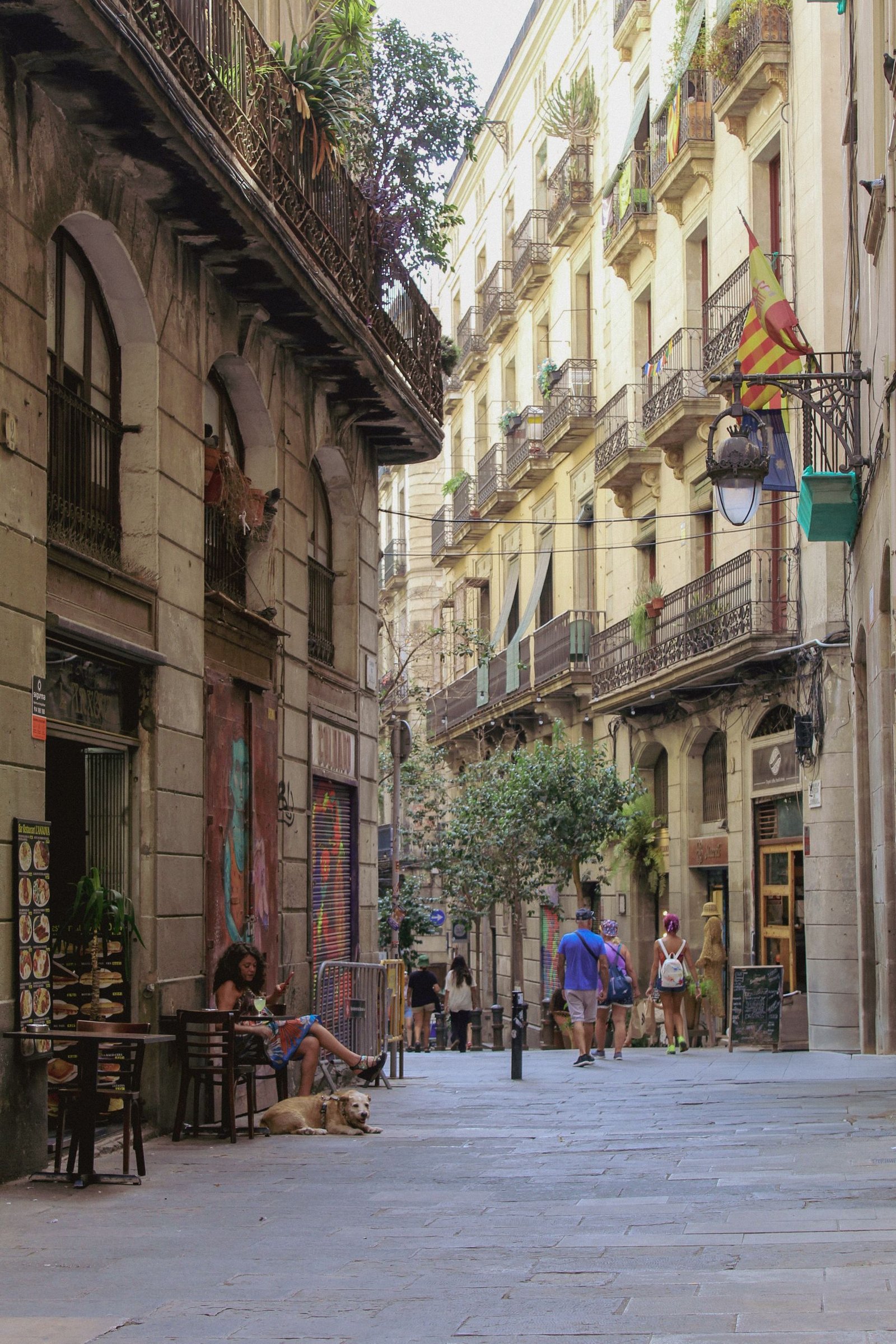
Where to Stay in Barcelona: Best Neighborhoods for Your Trip
After spending about five months living in Barcelona across multiple stays, I’ve seen how much the neighborhood you choose can shape your trip. This guide compares the best areas to…
-
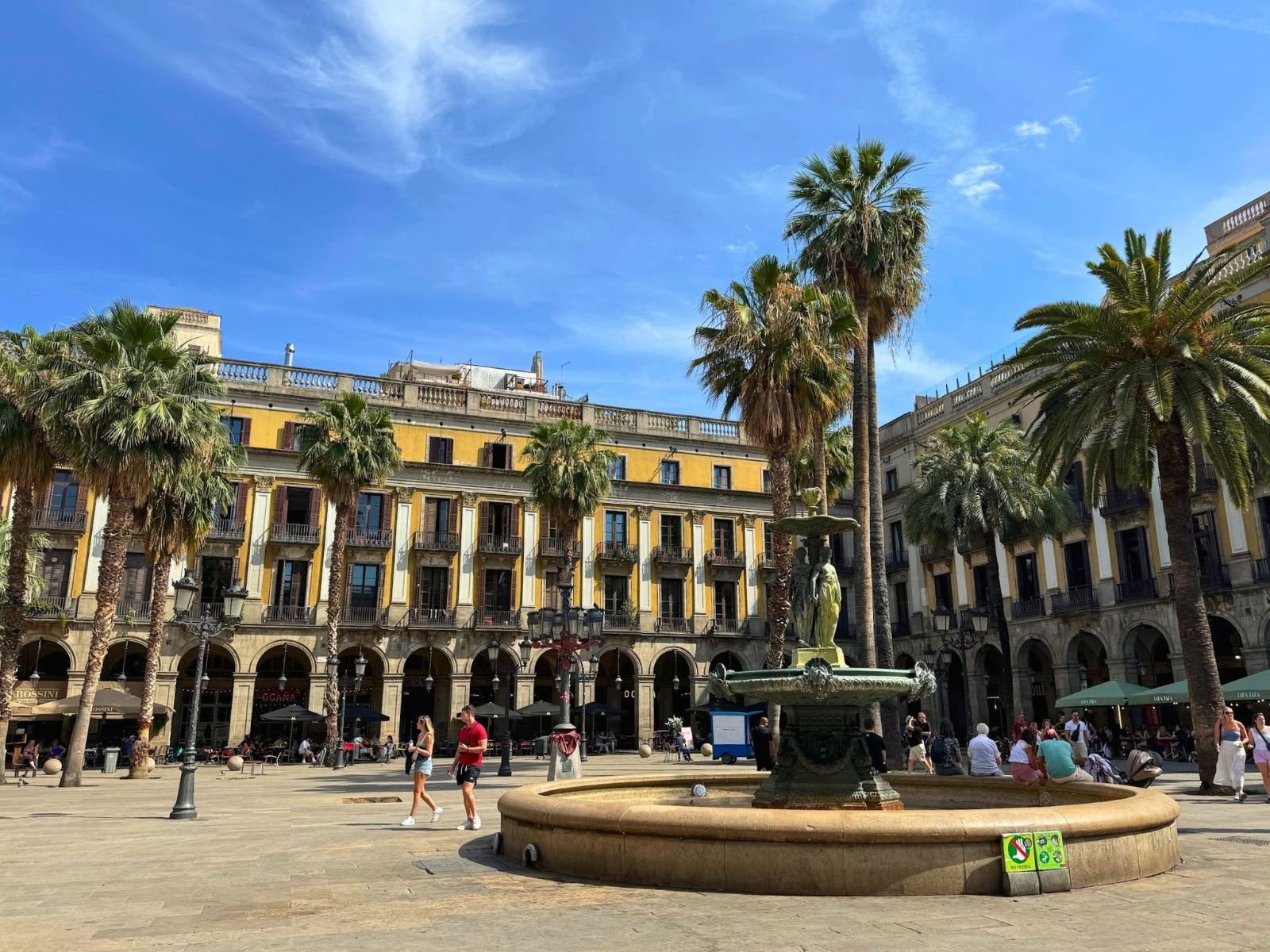
Is Barcelona Safe? My Experience Living There Solo
I’ve spent months living in Barcelona, regularly navigating the city alone and coming home late at night. Here’s how safe Barcelona actually feels to me, where I’m more cautious, and…
-
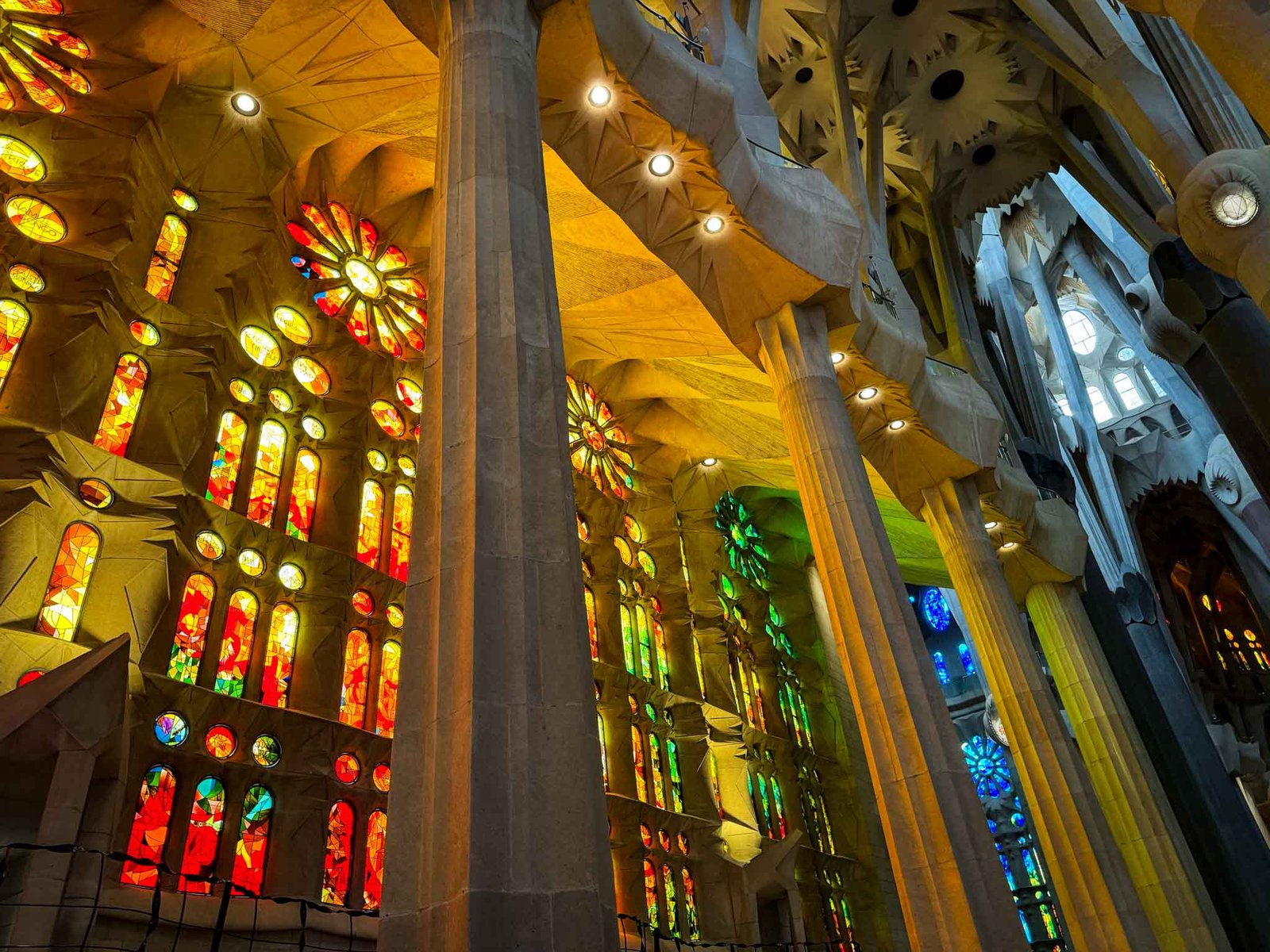
Top 10 Things to Do in Barcelona That Are Actually Worth It
Barcelona has plenty of famous sights worth seeing, but some of the best experiences go beyond the usual checklist. These are the 10 things I’d actually make time for, from…
-
Is Barcelona Worth Visiting? My Honest Take After Living There
Barcelona is one of my favorite cities in Europe, but it isn’t for everyone. After living there for months, here’s my honest take on what makes Barcelona worth visiting, what…