ARGENTINA
Patagonia in January: What to Expect in Argentina
•
SHARE:
This post contains affiliate links. If you book through them, I earn a commission at no cost to you. Learn more
Summer in Patagonia runs from December through February and is one of the most popular times to visit. But what does “summer” really mean for this part of the world? I traveled through Argentine Patagonia in January and loved it, though the wind and changing weather still shaped my plans. So, is visiting during peak season worth it?
In this guide, I’ll share what traveling to Patagonia in January was like across El Calafate, El Chaltén and Ushuaia — from weather and crowds to costs, what to book ahead and what to pack for your trip.
Patagonia in January at a glance
Daylight: Long days give you more room for exploring
Crowds: Expect company at popular viewpoints with quieter stretches between them.
Booking: Reserve accommodation and preferred bus departures ahead of trip
Weather in Argentine Patagonia in January
January is one of the warmer months in Argentina, but summer in Patagonia can feel very different from summer in Buenos Aires. If you’re arriving through the capital, don’t let the heat there fool you: it was around 90°F (32°C) when I left Buenos Aires for El Calafate. Farther south, temperatures cool down, and wind and elevation can make exposed mountain trails feel even colder. You’ll need a jacket even in summer. Here’s what to expect in each area.
El Calafate Weather
El Calafate was my first stop in Patagonia, and I noticed the cooler air as soon as I stepped off the plane. It was around 60°F (16°C), which felt manageable, but the wind had me reaching for another layer.
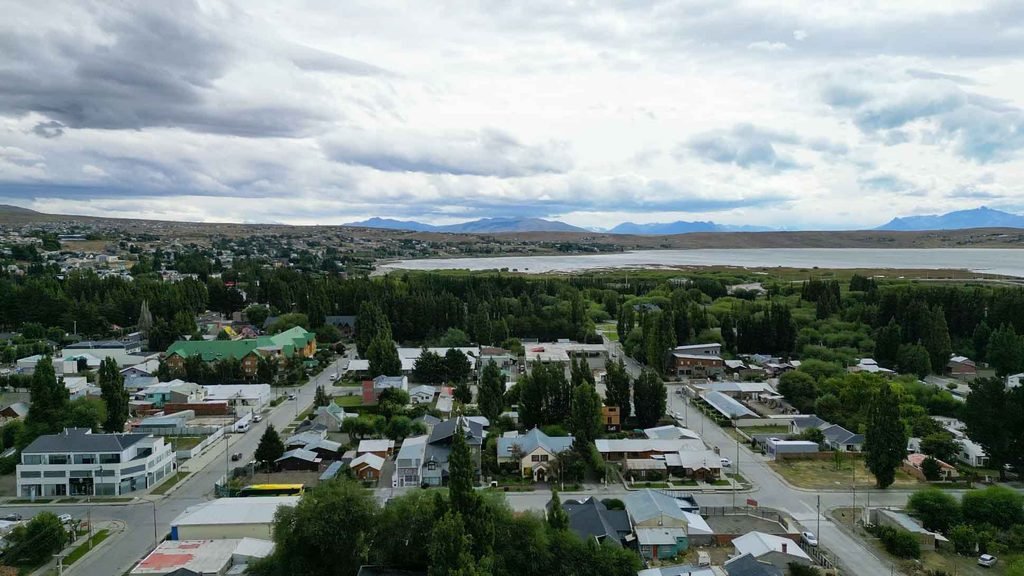
Argentina’s tourism board describes El Calafate as dry, cold and often windy, even in summer. I spent time walking around town and Laguna Nimez, where the open landscape offers little shelter from the wind. Even for an easy walk, bring a layer you can put on when the breeze picks up.
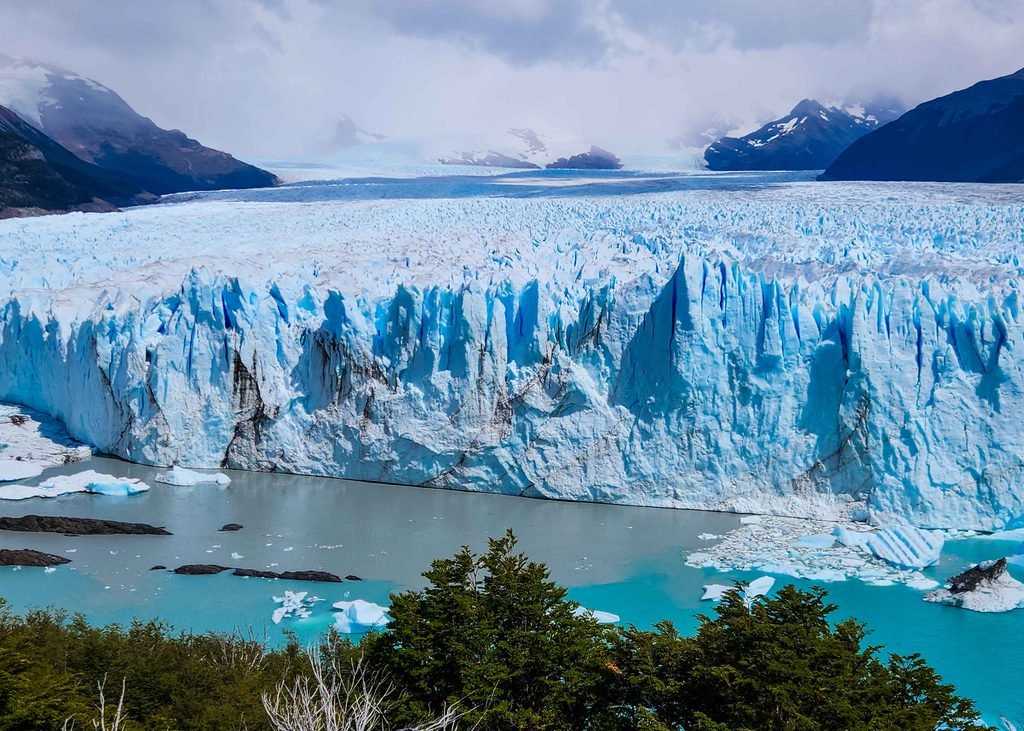
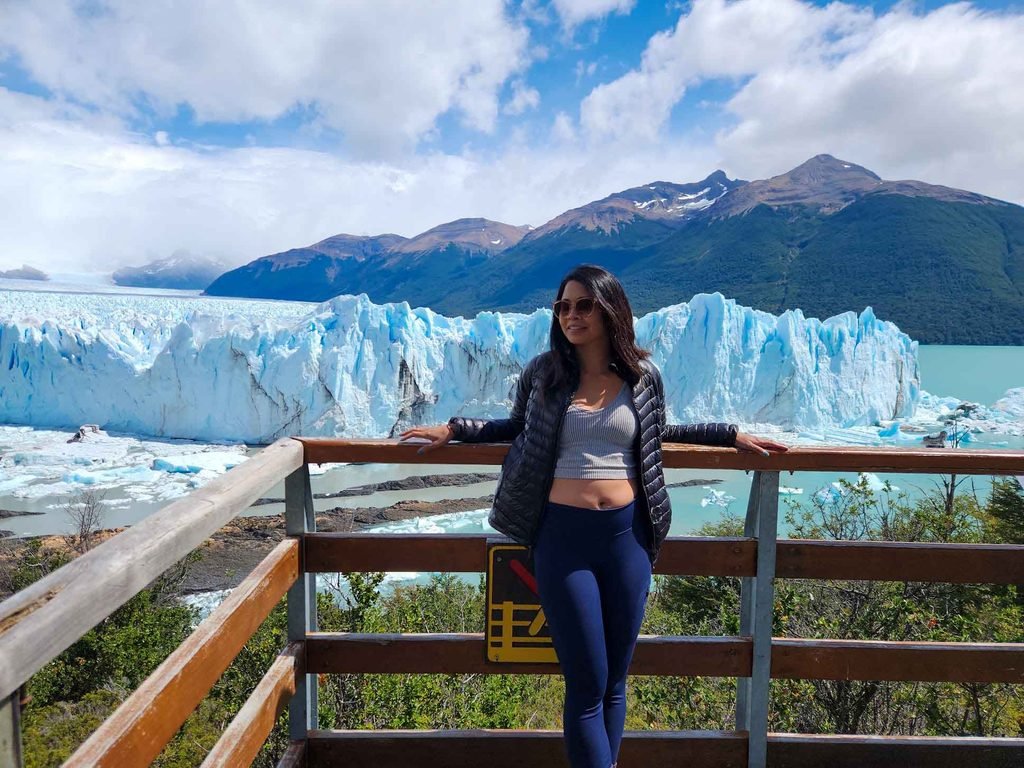
One of the main reasons to visit El Calafate is Perito Moreno Glacier, which you can view from a set of walkways overlooking the ice or from a boat for a closer perspective. I did both. Even in January, a glacier visit can feel colder than a walk around town, especially when you’re standing still watching the ice or catching the wind on an open boat deck.
El Chaltén Weather
El Chaltén is a few hours north of El Calafate, but don’t let the detour north fool you into thinking it’ll feel warmer. In my experience, the mountain wind really gets you.
The local El Chaltén weather guide lists average January highs around 19°C (66°F) and lows around 7°C (45°F) in town. On the trails, though, how warm or cold I felt changed with the terrain and exposure to the wind.

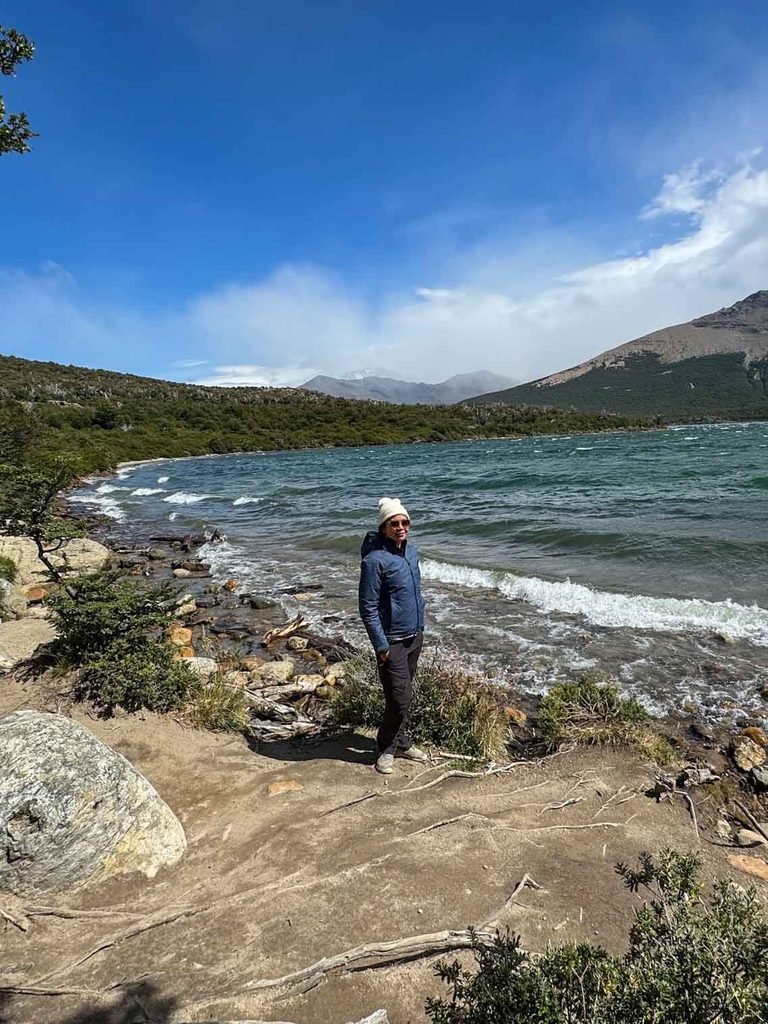
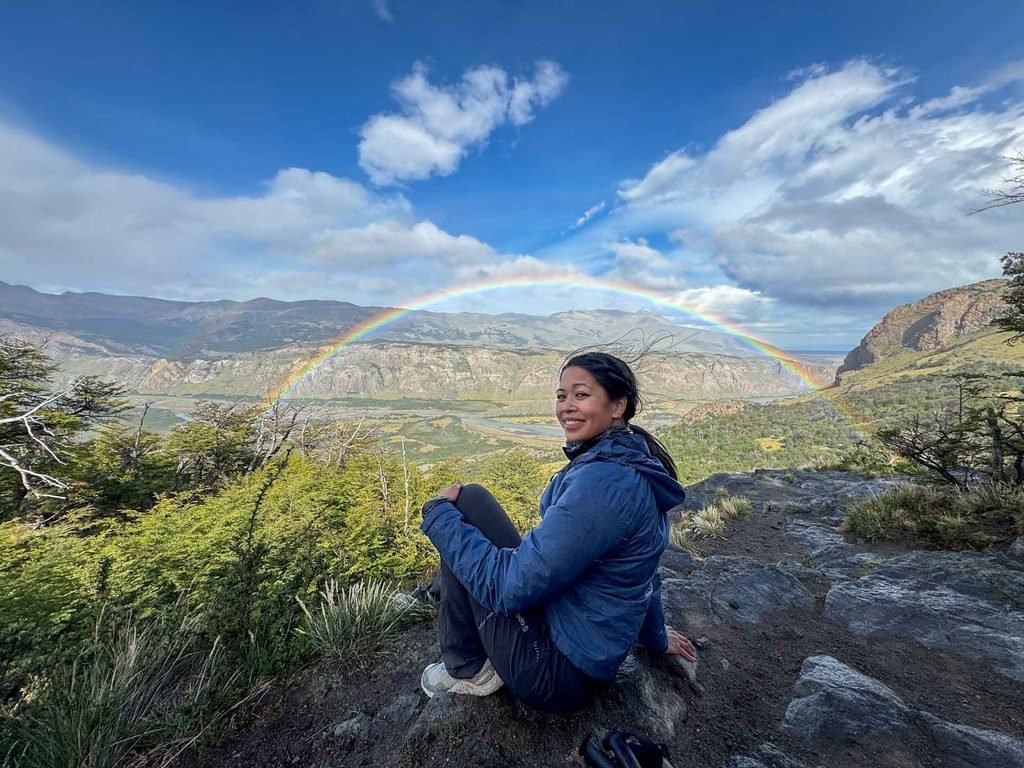
On my hike to Laguna Capri, I warmed up climbing through sheltered sections and started taking layers off. Near the lake, I wanted them all back on: the wind whipped up waves across the water, and some gusts pushed me off balance. I still enjoyed the hiking, but mild summer temperatures didn’t mean consistently warm conditions.
Rain and cloud cover were part of the experience, too. I had a rainy morning during my stay, and clouds affected both the mountain views and how much warmth I felt from the sun. On my Laguna de los Tres hike, I had clearer views of Fitz Roy, although the wind still became intense higher up.

Ushuaia
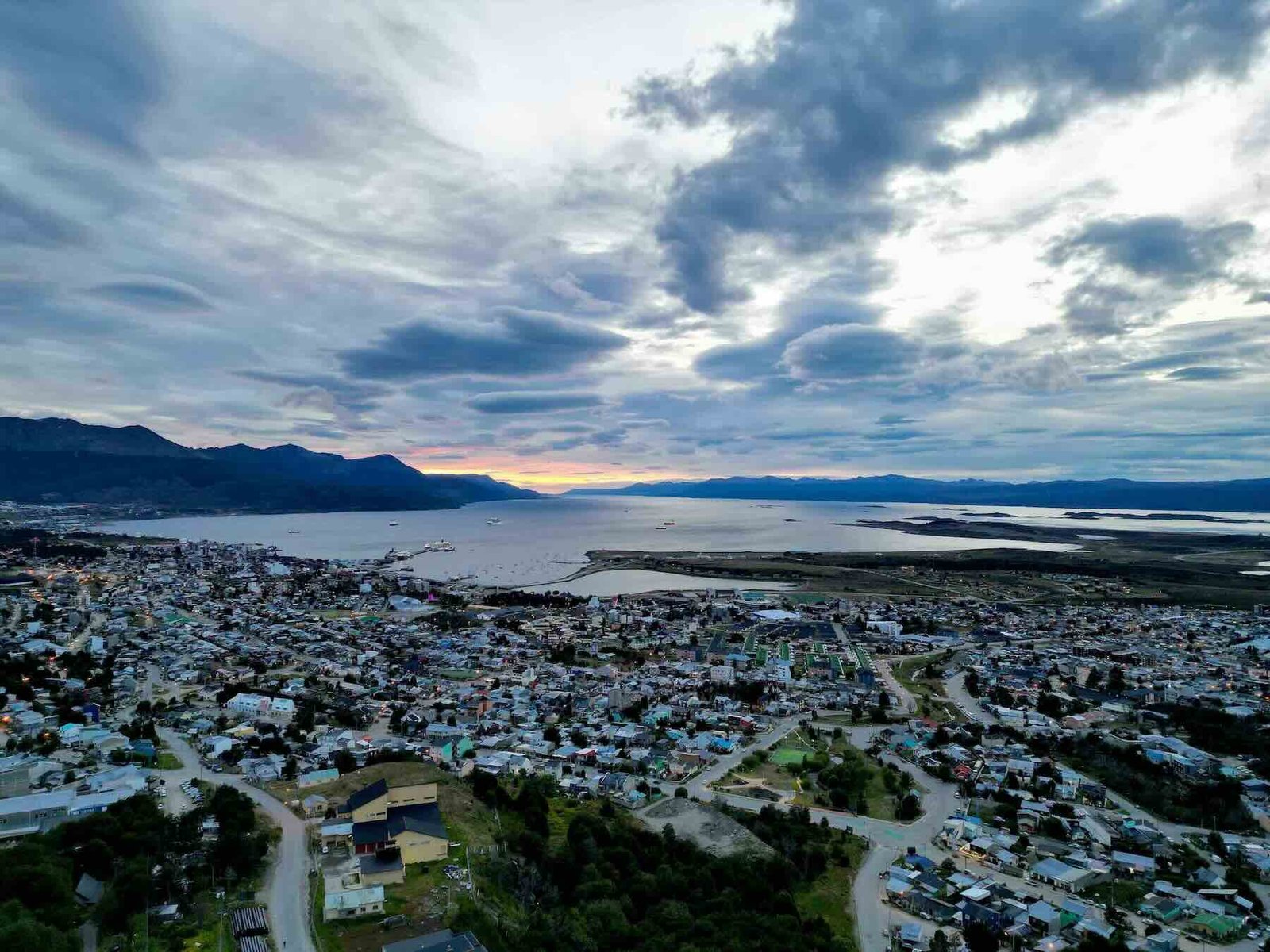
Of these three destinations in Argentine Patagonia, Ushuaia will be the coldest in January. It’s also the farthest south. The Ushuaia tourism office gives a January mean temperature of about 9.6°C (49°F), so you’ll need to have thicker layers, especially at night or when there isn’t much sun.

Outside of temperature, the weather here will feel a bit different than El Calafate and El Chalten. Being on the coast, it’ll feel more dramatic and moody. In my experience, the days here can change quickly. You’ll go from sunny for a a bit, switch to rain, then back to sun again all in one day. Then you’ll have other days that are just foggy and misty the entire time, and that sky coverage means you’ll feel a lot colder.
January Daylight
One of the main reasons people enjoy visiting Patagonia in January is the amount of daylight. The days are long: you can start a hike early, have plenty of daylight for the return, and still explore town in the evening if you want.
|
Destination |
Average Daylight |
|---|---|
|
El Calafate |
15 hours 45 minutes |
|
El Chaltén |
15 hours 45 minutes |
|
Ushuaia |
16 hours 30 minutes |
How crowded is Patagonia in January?
One concern you may have in visiting Patagonia in January is the crowds, since January is right in the middle of peak season. But here’s the truth: it wasn’t that bad.
Now keep in mind, my comparison is to U.S. National Parks like Yosemite, Zion, or Rocky Mountain National Park, which get absolutely packed and some of those trails are quite uncomfortable. The Argentina side of Patagonia in January was not like that at all.
El Calafate Crowds
El Calafate was generally lively around the downtown area and at lunch and dinner, without feeling packed everywhere. Restaurants could be full (we managed to get into a busy steakhouse without booking), but walking around town was comfortable.

Toward Laguna Nimez, the nature reserve beside town, things became much quieter. And when I say quieter, I mean there was barely anyone else on the trail or streets leading to the reserve.
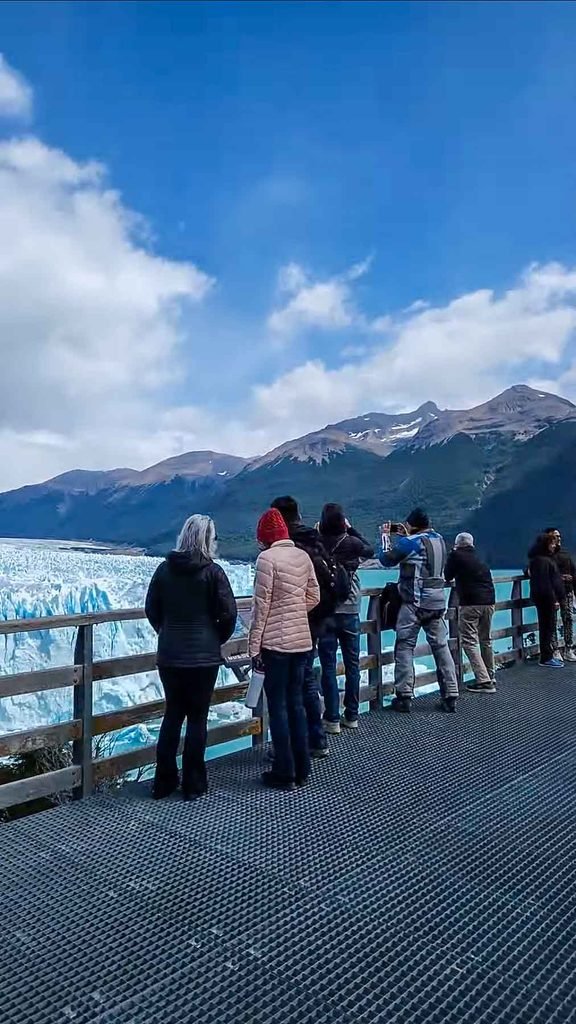
Perito Moreno Glacier was one of my busiest stops in El Calafate. For me, the busiest parts were the shared transport and boat. The shuttle inside the park was full enough that I had to stand in the aisle, and most seats on the sightseeing boat were taken.
The walkways were a different experience. While there were sometimes groups at certain viewpoints and stairs, I never had to fight for a view or a picture. And as I explored deeper into the park the crowds significantly thinned. I’d have long quiet stretches, and plenty of peace.
El Chaltén Crowds
With the popular Fitz Roy mountain, I was pleasantly surprised with the crowds in El Chaltén in January.
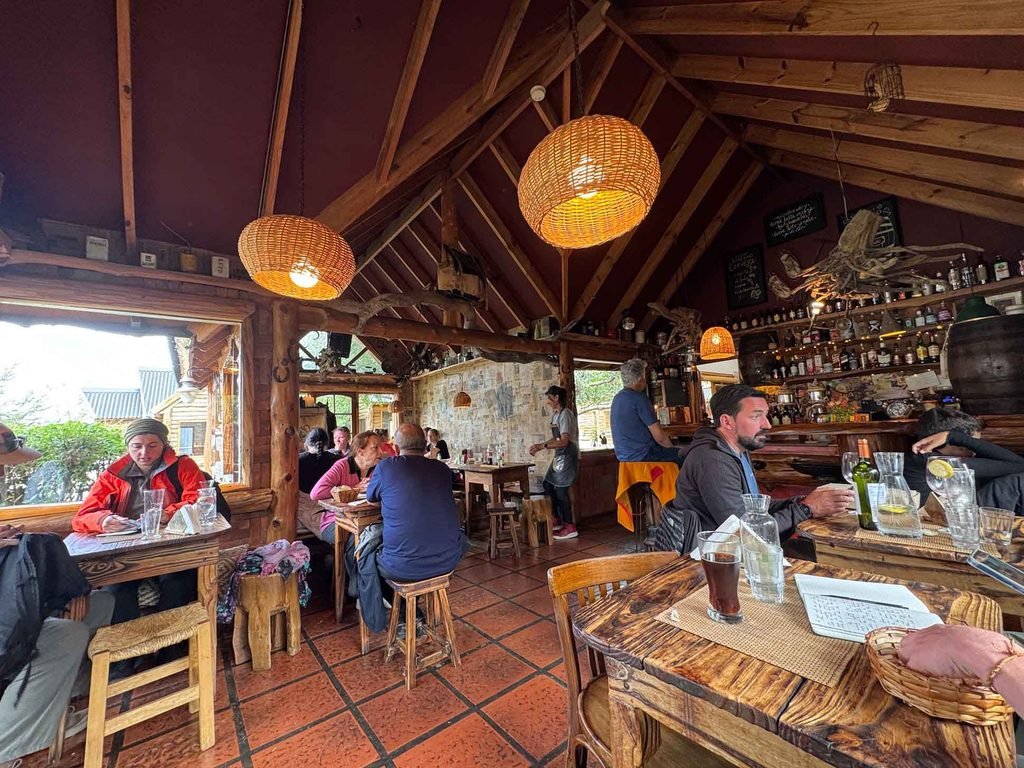
The town itself felt pretty empty most days. Walking around, I’d see the odd group here and there, but never crowds. At breakfast around 10am or lunch around noon, I noticed plenty of open seats. On another day, though, a late lunch around 4pm meant a packed restaurant. My impression was that people’s hiking schedules played a big part in when town felt busy.
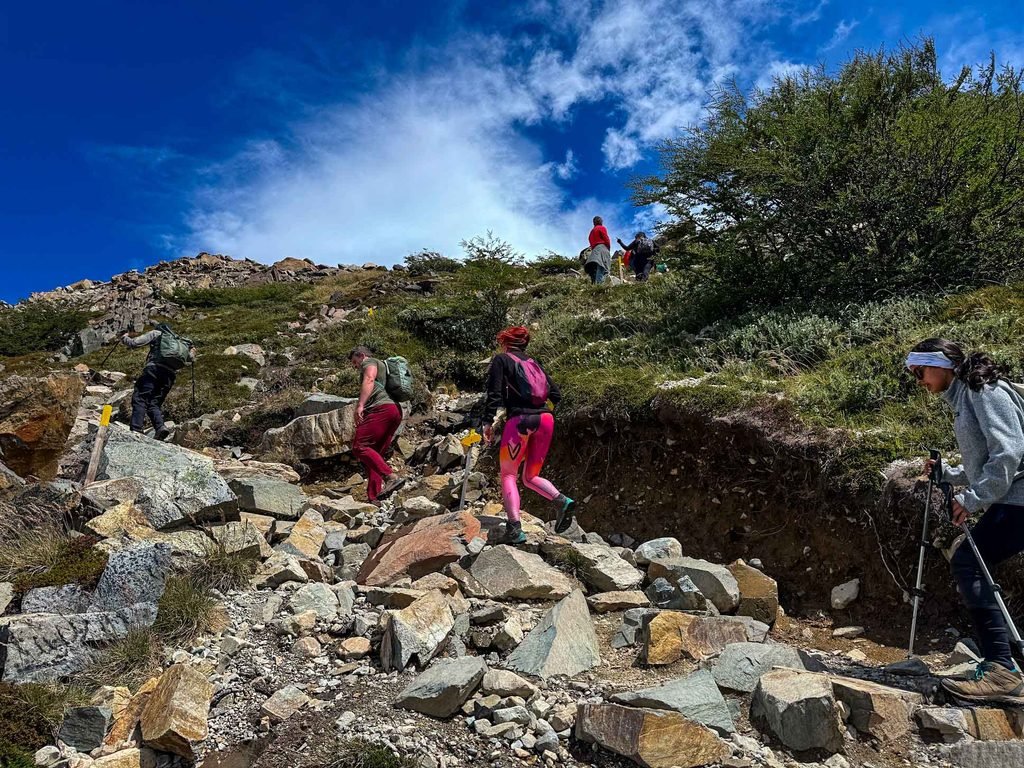
The trails were also very comfortable, with quieter stretches between major viewpoints and resting spots. For example, on the Laguna de los Tres hike toward Fitz Roy, I saw groups resting before the final ascent and a steady line of hikers on the steep, rocky climb. Outside of that? The trails were pretty spacious.
On another popular hike, Laguna Torre, it felt quieter for most of the walk. More people gathered near the lagoon, but there was still room along the shore to find your own spot. You’ll share the famous hikes with other visitors, but that doesn’t mean walking shoulder to shoulder all day.

Ushuaia Crowds
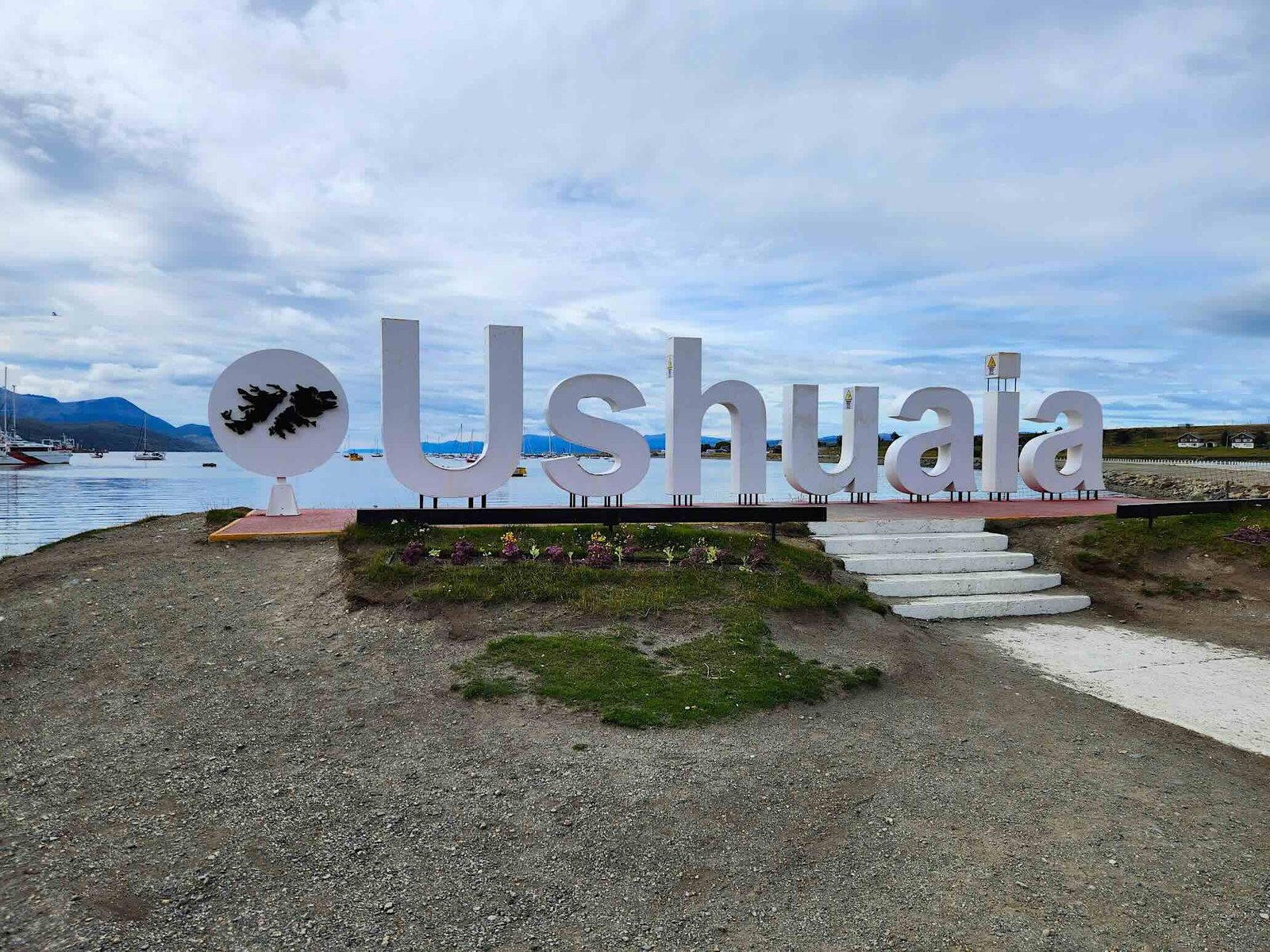
Ushuaia’s in-town crowds felt similar to El Calafate: lively but manageable. I’d see visitors around photo spots like the “End of the World” sign, but I never felt like I was fighting my way through crowded streets.
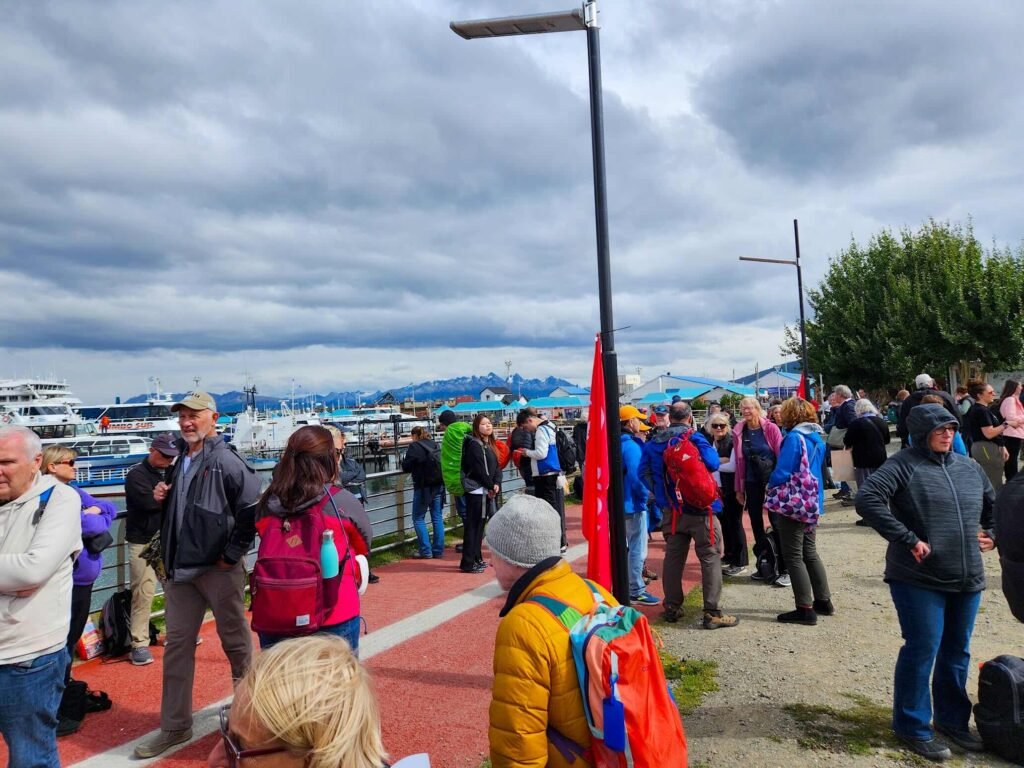
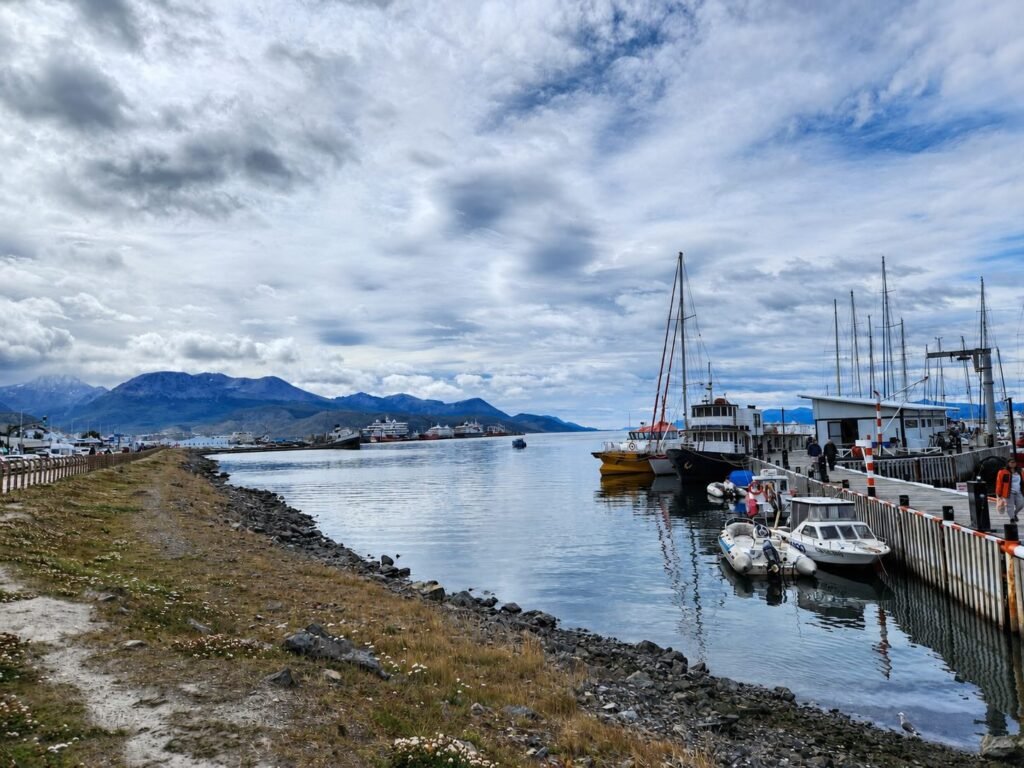
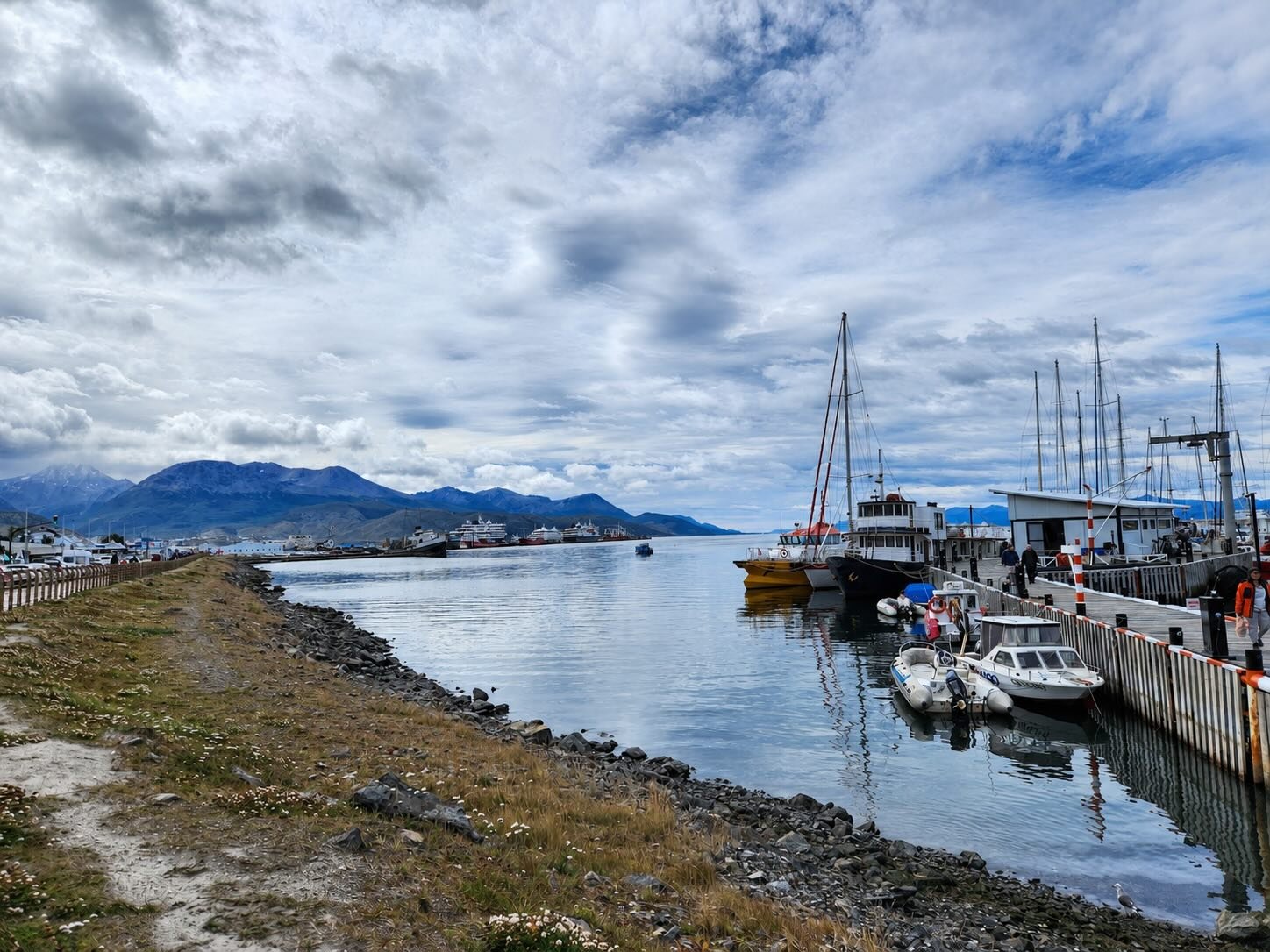
The waterfront was a different story when people were gathering to leave on cruises. There could be massive groups waiting along the water, making that stretch feel much busier than the rest of town. Outside those departure times? Walks along the waterfront were very peaceful. Restaurants were another place where people gathered, especially in the evening when getting out of the cold sounded pretty appealing.
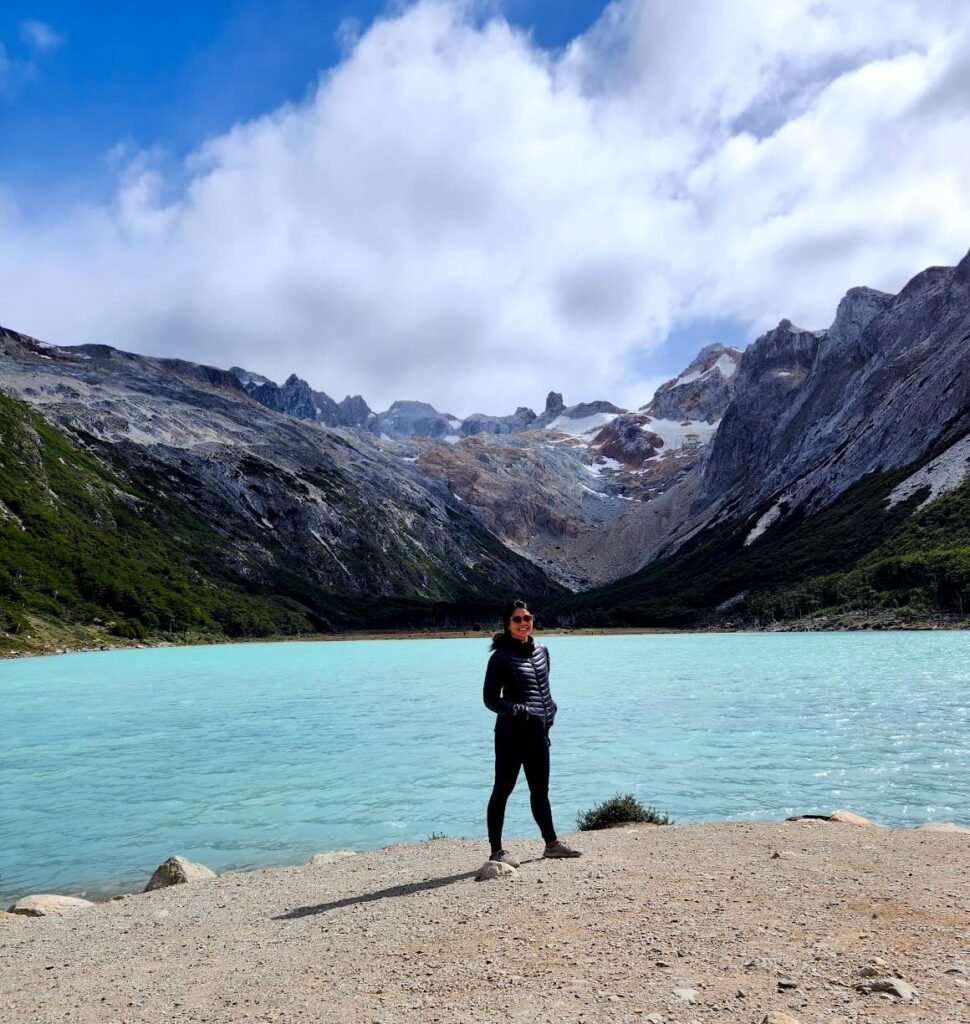
While in Ushuaia, I was able to do some trekking to Laguna Esmeralda. In terms of summer crowds, I found a steady line of people entering the trailhead from the parking lot. It thinned out as we continued, and most of the walk felt comfortable. I wouldn’t describe the area as empty trails, but the line at the beginning wasn’t what the whole hike felt like.
What does Patagonia cost in January?
January is peak season, but you don’t have to stay in expensive hotels to visit Patagonia. Accommodation gives you room to adjust your budget, while food, transport and park entry can add up even when hiking is your main activity.
Accommodation costs
These nightly planning ranges are based on January searches on Booking.com and Airbnb. Prices are in USD.
EL CALAFATE
|
Accommodation |
Nightly price |
|---|---|
|
Hostel dorm bed |
$20–45 |
|
Hotel |
$100–250 |
|
Airbnb (entire home) |
$60–140 |
EL CHALTÉN
|
Accommodations |
Nightly price |
|---|---|
|
Hostel dorm bed |
$35–60 |
|
Hotel |
$140–250 |
|
Airbnb (entire home) |
$110–250 |
USHUAIA
|
Accommodations |
Nightly price |
|---|---|
|
Hostel dorm bed |
$25–45 |
|
Hotel |
$100–300 |
|
Airbnb (entire home) |
$55–120 |
On my trip, I mixed accommodation types depending on my plans and whether I was traveling solo or with my partner. Hostels kept costs down and offered a social environment to meet other hikers, Airbnbs gave us space and privacy, and hotels offered comfort after a week of hiking.
On my trip, I booked a hostel dorm in El Chaltén for about $41 a night and then an entire Airbnb for $118 a night. Split between two people, the Airbnb cost more per person, but the benefit is that we had our own space and a small kitchen for making trail lunches. Prices change, but comparing a private rental with the cost of two dorm beds can help you decide whether the extra comfort fits your budget.
Other expenses to plan for
Food. I found eating out in Patagonia pricey, especially compared with living in Buenos Aires. Getting groceries and packing lunches for the trails helped me avoid relying on restaurants for every meal. Even if you plan to eat dinner out, preparing your own breakfast and hiking snacks gives you some control over daily costs.
Park entry. Entrance fees add up when you’re doing multiple hikes in El Chaltén and visiting parks around El Calafate and Ushuaia. For foreigners, the current daily entrance fee is 50,000 ARS for Los Glaciares and 40,000 ARS for Tierra del Fuego. Check the official park fees before your trip, since prices can change.
If you’re visiting Perito Moreno Glacier and spending two or more days on the paid trails around El Chaltén, I’d also look into the Los Glaciares Flexipass to save some money. Both areas belong to the same national park, so a pass bought online can cover both. The three-day option costs the equivalent of two full-price daily tickets, and the days don’t have to be consecutive. Tierra del Fuego National Park requires a separate ticket.
Transport. Budget for getting between towns as well as reaching the activities outside them. I used buses between El Calafate and El Chaltén, a shared airport shuttle in El Calafate, and a mix of Ubers and taxis to get to hikes around Ushuaia. A day of independent hiking can still have transport costs attached.
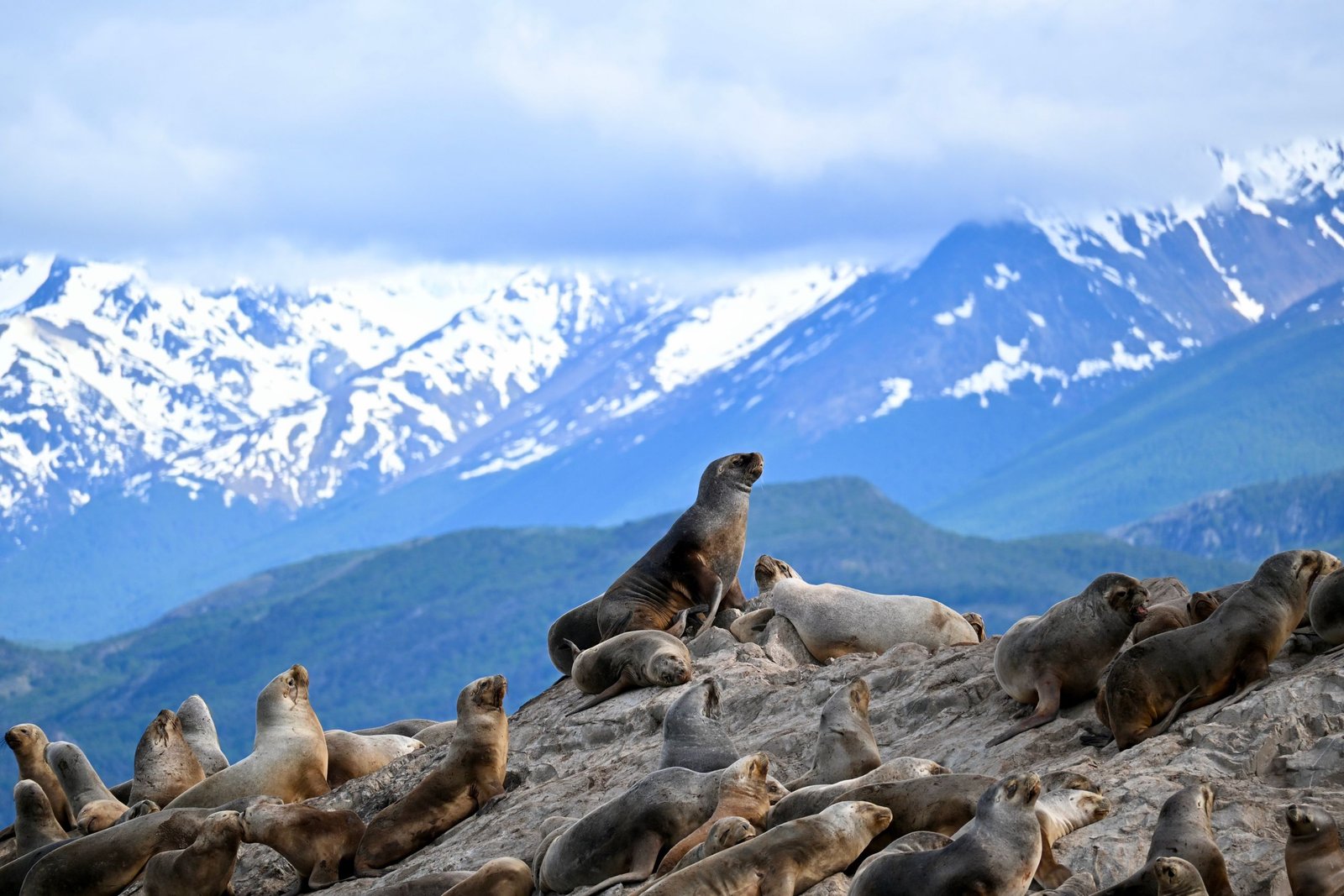
Excursions. There are plenty of excursions to choose from in Patagonia, including glacier trekking and boat rides near Perito Moreno, estancia visits, and wildlife cruises along the Beagle Channel in Ushuaia. When comparing prices, check what’s included: transport and any required national park admission may cost extra.

What should you book in advance for January?
Accommodation
I booked my accommodation about two months before my trip. I found places within my budget and the room types I wanted, but I wasn’t especially picky. Looking back, I think booking earlier would have given me more choice.
Buses
I’d recommend booking your buses ahead for January, particularly if you want a specific departure time.
I bought my El Calafate–El Chaltén tickets about a week in advance. My 7 a.m. bus to El Chaltén wasn’t full, and I probably could have bought the ticket later. The return to El Calafate was a different story: when I tried booking the day before, my preferred departure was full and the remaining departure times were limited.
Excursions
I booked my Perito Moreno boat-and-walkways tour online just a few days ahead and found an option that worked for me. I’d leave more flexibility for a boat tour, but book earlier if glacier trekking is a priority, especially if you only have one day available.
I’d take a similar approach in Ushuaia. For a general Beagle Channel cruise, you may find something during the week of your visit if you’re flexible about departure times. If seeing penguins is a priority, I’d book that earlier as well.
What to pack for Patagonia in January
Even in summer, I needed clothes for warm climbs, cold mornings and strong wind. My hiking kit included:
- Adjustable layers: a tank top, moisture-wicking long sleeve, hiking pants and socks.
- A light insulated jacket and windproof rain shell: I brought both and added or removed them as conditions changed.
- A buff, hat, and gloves: small items I was glad to have on cold mornings and exposed stretches.
- Comfortable hiking shoes: I wore trail runners. The biggest thing is making sure you have good tread.
- A daypack with water, snacks and lunch for longer outings.
- Hiking poles: I rented mine in El Chaltén. They felt particularly valuable on the steep, rocky final ascent to Laguna de los Tres.
Is visiting Patagonia in January worth it?
For me, yes. I loved having long days to explore and enough daylight to feel more comfortable tackling the longer hikes. And despite January being “peak” season, the crowds around El Calafate, El Chaltén and Ushuaia were much more manageable than I’d expected.
The biggest challenge was the wind, especially on exposed mountain trails. Summer didn’t mean consistently warm weather or clear views, but it didn’t stop me from enjoying the trip either. If you’re coming to Patagonia for hiking, glaciers and time outdoors, I think January is a great time of year to visit.

I’m Marie, a slowmad and adventurer who left settled life in the U.S. to explore the world more deeply.
I’ve spent about five months in Argentina across two stays, mostly based in Buenos Aires while traveling more adventurously around the country.
I share the experiences worth going out of your way for, what I learned from doing them firsthand, and the practical details that make those trips easier to plan.
MORE ARGENTINA
-

Is Ushuaia Worth Visiting? Who Should Actually Go
Is Ushuaia worth visiting? After arriving underwhelmed, I quickly realized the real appeal is outside the city. Here’s who I think should make the trip, who can skip it, and…
-

Travel Guide for Ushuaia, Argentina: Best Things to Do
From sailing the Beagle Channel and exploring Tierra del Fuego to hiking mountain lagoons, eating king crab, and wandering the waterfront, here are the experiences I’d prioritize at the End…
-

Ushuaia to Antarctica: What I Wish I Knew Before Boarding My Expedition Cruise
Traveling from Ushuaia to Antarctica is more layered than simply arriving at the port and boarding a ship. Here’s what I wish I knew before my expedition cruise, including how…
-

Where to stay in Ushuaia Argentina: My Top Areas & Hotels
Wondering where to stay in Ushuaia? Here’s my guide to the best areas and hotels in Ushuaia, Argentina, from the city center and waterfront to the peaceful Martial Glacier hillside.